A tense exchange erupted on CNN this week, sparked by a seemingly simple question about political strategy in Minnesota. Scott Jennings, often the sole conservative voice on the network, dared to ask why Democrats appeared to heavily court the Somali community within the state.
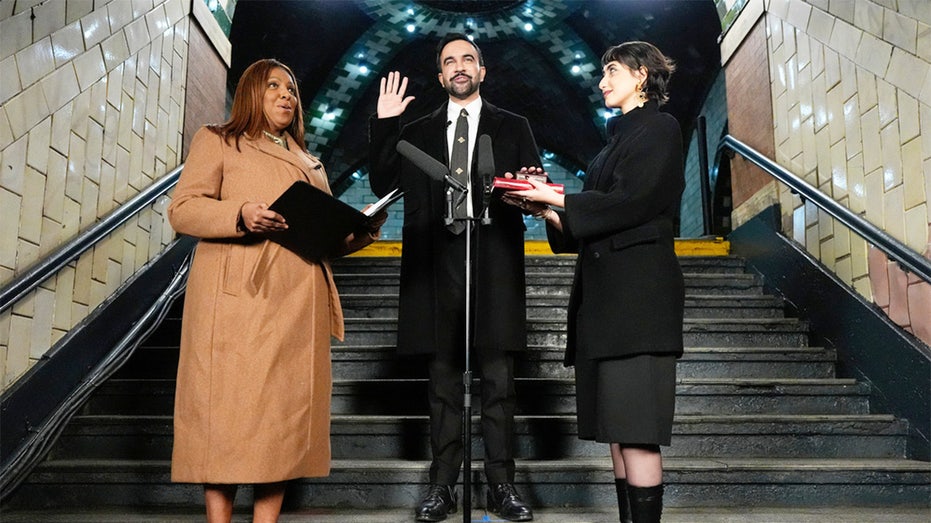
Jennings pointed to a recent public appearance by the Lieutenant Governor, noting she wore a hijab during a visit to a local mall. He then observed that the Somali population represents a relatively small percentage of Minnesota’s overall demographics, prompting his inquiry about the level of focused attention.
The reaction was immediate and fierce. Host Abby Phillips and other panelists swiftly condemned Jennings’ remarks, accusing him of veiled racism and insensitivity. The conversation quickly devolved into a heated debate, fueled by accusations and defensive posturing.

Jennings had referenced the dystopian novel and television series *The Handmaid’s Tale*, drawing a parallel between the Lieutenant Governor’s attire and the show’s imagery of enforced religious dress. This comparison proved particularly inflammatory, triggering accusations of hypocrisy from the other panelists.
Phillips argued that Jennings’ statement would be unacceptable if directed towards other religious groups, such as Orthodox Jews. She questioned why it was considered permissible to make such a comment about the Somali community and their religious practices.
The core of the disagreement seemed to lie in differing perceptions of political symbolism and the potential for misinterpretation. Jennings’ question challenged the Democrats’ outreach efforts, while the panelists viewed it as a prejudiced attack on a minority group.
The incident highlighted a broader tension surrounding identity politics and the delicate balance between acknowledging diversity and avoiding accusations of pandering. It also raised questions about the boundaries of acceptable political commentary and the speed with which accusations of bias can escalate.
The debate resonated beyond the CNN studio, quickly spreading online and sparking further discussion about the role of religion in politics and the complexities of representing diverse communities. The incident served as a stark reminder of the charged atmosphere surrounding political discourse today.
Ultimately, the exchange underscored a fundamental disconnect in perspectives. Jennings’ observation, intended as a critique of political strategy, was interpreted by others as a personal attack, revealing the deep divisions that continue to shape the American political landscape.