The first glimpse was a warning. A speeder raced past the ghostly wreckage of a forgotten battle, an X-wing small against the looming shadow of a Star Destroyer. Then, the fractured, melted husk of Darth Vader’s helmet. It ended with a hopeful, yet unsettling, promise: Han Solo, returning “home.”
That homecoming proved to be the core of the problem. Disney didn’t forge a new path; it meticulously recreated the past, offering a familiar comfort that ultimately led to a decade of creative stagnation. We’ve been sifting through the remnants of that initial promise ever since, discovering that the issues plaguing the franchise weren’t a later development, but were fully formed in 2015’sThe Force Awakens.
Something felt fundamentally off the moment the lights dimmed. For the first time, aStar Warsfilm didn’t open with the iconic 20th Century Fox fanfare. This wasn’t theStar Warsof a previous generation, yet it desperately tried to be. The parallels were overwhelming – the First Order mirroring the Empire, Starkiller Base echoing the Death Star – so numerous that attempts to catalog them all fell short.
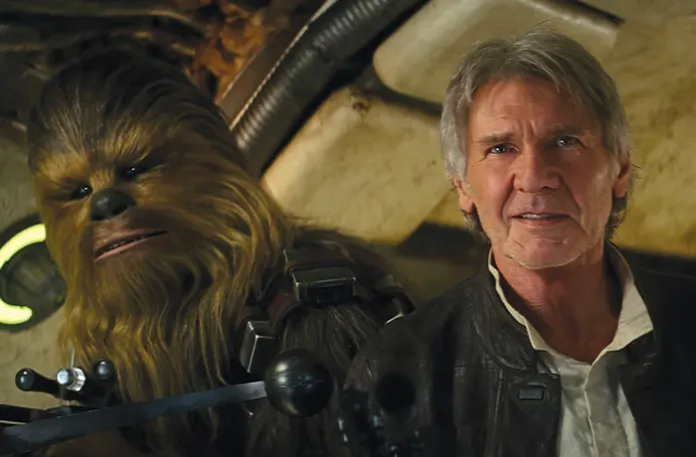
Beyond the blatant repetition,The Force Awakensstumbled with questionable storytelling choices. Poe Dameron vanished for crucial stretches of the film. The First Order pursued BB-8 despite needing the map he carried. Han Solo’s reappearance felt forced and illogical. And Rey, a novice just discovering the Force, inexplicably defeated the seasoned Kylo Ren. Key reveals were mishandled, diminishing their impact.
The responsibility for these missteps largely falls to J.J. Abrams. While perhaps understanding the difference between tribute and imitation, his limitations as a filmmaker prevented him from realizing that distinction. George Lucas, for all his quirks, built a universe inspired by myth and legend, transforming diverse influences into something revolutionary. Abrams, however, delivered a derivative work, inspired only by itself.
This foundational flaw permeated the entire sequel trilogy. It was compounded by a series of baffling narrative decisions, often contradicting each other. Rian Johnson’sThe Last Jediexplored a vision mirroring Luke’s confrontation with Darth Vader, declaring Rey a nobody. Yet, Abrams countered this inThe Rise of Skywalker, revealing Rey to be Palpatine’s granddaughter. The narrative fractured, each filmmaker seemingly undoing the work of the other.
The inconsistency extended to character arcs. Rey, initially defined as having no lineage, ultimately claimed the Skywalker name, a decision that felt arbitrary despite earlier foreshadowing. These conflicting interpretations highlighted a fundamental lack of cohesive planning, a chaotic creative process where no one could – or would – impose order.
Perhaps the most glaring testament to the project’s failings was the complete absence of shared screen time between the original trilogy’s heroes. The entire premise of the sequels hinged on seeing Luke, Leia, Han, and company reunited. Yet, this basic expectation was never met, a baffling oversight that felt less like a deliberate choice and more like a consequence of carelessness and bureaucratic inertia.
The original trilogy presented a classic hero’s journey, a timeless battle between good and evil. The prequels offered a complex allegory for the decline of political institutions. But what did the sequels represent? There was no overarching narrative, no guiding vision, only a series of disjointed events dictated by shifting writers and directors. Lucas, for all his criticisms, possessed a clear vision. The sequels lacked one entirely.
The initial intent behindThe Force Awakenswas to appease fans dissatisfied with the prequels, to “return”Star Warsto its roots. The irony is stark: the prequels are now more fondly remembered, while the sequels struggle to earn even polite indifference. The franchise, once a beacon of cinematic innovation, had become just another intellectual property in a corporate portfolio.
What the sequels ultimately lost was the sense of adventure and daring that captivated audiences in 1977. “Disney Wars” became predictable, commodified, and ultimately, dull. Despite its enduring legacy, the future of the franchise now rests not on the strength of its new additions, but on the enduring power of the original vision – a vision that, for a decade, Disney seemed determined to dismantle.