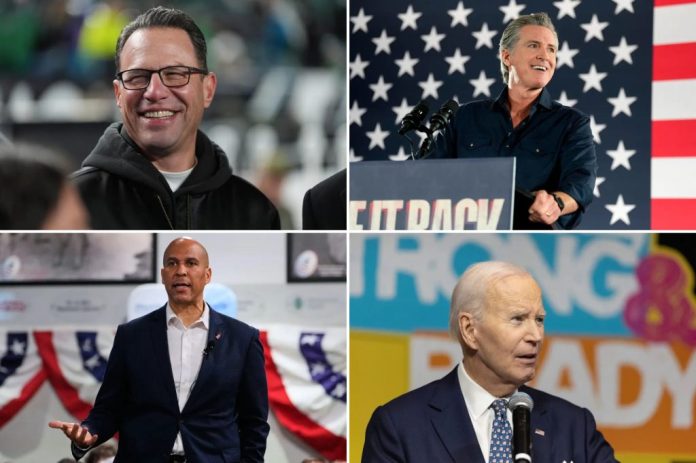
The political landscape is subtly shifting, not on debate stages, but within the pages of upcoming books. Following the surge in attention garnered by former Vice President Kamala Harris’s memoir, a wave of politicians is preparing to share their stories, offering a unique window into power, ambition, and the challenges of leadership.
These aren’t simply political narratives; they are carefully crafted introductions, potential launching pads for future campaigns, and opportunities to shape public perception. As the 2026 midterm elections and the looming 2028 presidential cycle draw closer, these books represent a strategic move – a chance to connect with voters on a deeper, more personal level before formally seeking their support.
Pennsylvania Governor Josh Shapiro will release “Where We Keep the Light: Stories From a Life of Service” on January 27th. This memoir promises an intimate look at pivotal moments in his life and career, tracing his path from the Pennsylvania House to the governor’s mansion. Shapiro doesn’t shy away from difficult experiences, including a politically motivated fire at his residence while his family was inside.
The book also reveals a surprising connection to the 2024 election, with Shapiro disclosing that Kamala Harris considered him as a potential running mate. More than just a recounting of political victories, “Where We Keep the Light” delves into the formative experiences that shaped Shapiro into the empathetic and pragmatic leader he is today, a leader increasingly viewed as a potential national contender.
California Governor Gavin Newsom is also entering the literary arena with “Young Man in a Hurry,” arriving February 24th. Described as a “truly vulnerable” account, Newsom’s memoir promises to dismantle expectations and reveal the story of an “outsider on the inside.” He intends to lay bare the complexities of his upbringing and career.
Newsom’s narrative explores a childhood marked by dyslexia and a life balanced between his single mother’s tireless work ethic and his father’s connections to a world of wealth and privilege. He will also revisit his time as mayor of San Francisco, including his controversial decision to issue same-sex marriage licenses and his pioneering efforts in climate change advocacy.
Senator Cory Booker’s “Stand,” scheduled for release on March 24th, expands upon his historic 25-hour Senate floor speech. This memoir isn’t merely a transcript; it’s an exploration of the choices that define a nation’s future, echoing the powerful messages he delivered during his marathon address opposing policies of the previous administration. Booker frames his work as a defiant affirmation of American ideals.
Utah Governor Spencer Cox, known for his bipartisan efforts to address political violence, is also contributing to this literary surge. While he insists his forthcoming book isn’t a prelude to a presidential run – stating emphatically, “I’m not running for president” – it will delve into the growing polarization gripping the country and offer his perspective on the nation’s trajectory.
Even former President Joe Biden is at work on a 500-page memoir, reportedly secured for a $10 million advance. This will be his third published account, a common practice for former presidents seeking to solidify their legacy and offer their perspective on their time in office. The project, a massive undertaking, is expected to provide a detailed account of his administration.
Former Secretary of State Antony Blinken will offer an insider’s perspective on the Biden administration’s handling of global crises, including Russia’s invasion of Ukraine and the conflict in Gaza. His book promises a rare glimpse into the Situation Room and the Oval Office, revealing the difficult decisions and tense negotiations that shaped American foreign policy during a period of unprecedented global instability.
These books, arriving in quick succession, represent more than just personal stories. They are strategic narratives, carefully constructed to influence perception, build support, and potentially pave the way for future political ambitions. The coming months will reveal whether these literary efforts translate into momentum on the campaign trail.


