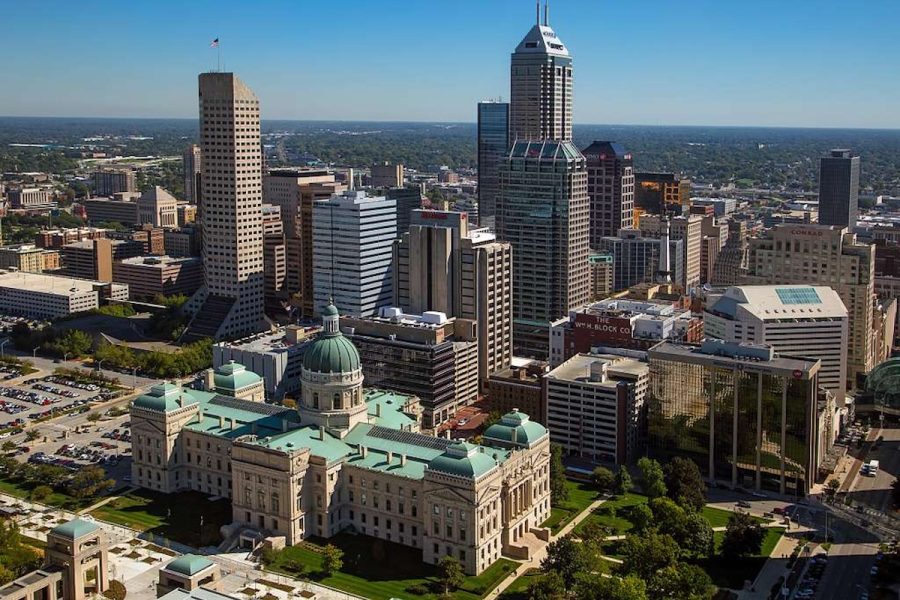
The debate over the future of sweepstakes casinos is heating up, with Indiana poised to be the next battleground. Initial hearings regarding a potential ban are scheduled for early January, marking a significant step towards reshaping the state’s gaming landscape.
Lawmakers will convene on January 6th to dissect House Bill 1052, a piece of legislation designed to overhaul gambling regulations. Central to the discussion is the controversial practice of “Sweeps Coin” gameplay, a feature common in many online sweepstakes casinos.
Indiana isn’t alone in this push. Florida and Maine have already introduced bills aiming to outlaw these types of games, signaling a growing national trend. This wave of legislation follows aggressive action in other states, including Tennessee’s issuance of dozens of cease-and-desist letters late last year.

The proposed legislation doesn’t simply aim to prohibit the games; it seeks to establish clear legal consequences for those operating them. The hearings will focus on defining “sweepstakes games” and outlining both civil and criminal penalties for violations.
Beyond sweepstakes, the bill also addresses other areas of gambling regulation. Proposed changes include stricter conditions for revoking horse racing licenses and expanding the voluntary exclusion program to include sports wagering certificate holders.
Maine is closely following Indiana’s lead, with its own initial hearing scheduled for January 14th. Legislative Document 2007 mirrors the concerns surrounding Sweeps Coin gameplay, suggesting a coordinated effort to address these games across multiple states.
While a ban on dual-currency sweepstakes games may be imminent in these states, the story isn’t necessarily over for all forms of sweepstakes gaming. Operators may seek to innovate, developing new game formats that circumvent the specific restrictions targeting Sweeps Coin.
The momentum against sweepstakes casinos, building throughout 2025 with actions in states like New York and Tennessee, is clearly carrying into the new year. The coming weeks will be crucial in determining the fate of these games in Indiana, Maine, and Florida, and potentially setting a precedent for the nation.


