
A looming crisis is set to reshape the world of personal computing, and the impact will be felt by everyone from hardcore gamers building custom rigs to everyday users simply wanting to upgrade their devices. The core of the problem? A dramatic surge in the cost of essential components – DRAM and SSDs – driven by an insatiable demand from a surprising source.
For those who enjoy the hands-on approach of building their own PCs, the news is particularly grim. The DIY market is predicted to bear the brunt of these shortages and price hikes. But don’t think pre-built systems will escape unscathed; major manufacturers are bracing for increases of up to 20 percent, a shift that will inevitably trickle down to consumers.
The warning signs began months ago, with key component manufacturers like SanDisk, Samsung, and Micron signaling price increases. Black Friday sales weren’t a haven from rising costs, but rather a focal point, as companies across the board acknowledged the impending changes. Now, even larger players like Asus are preparing to adjust prices, potentially by as much as 30 percent.
The driving force behind this upheaval isn’t a surge in consumer demand for PCs, but rather the explosive growth of artificial intelligence. Massive data centers, hungry for memory and storage to train and run increasingly complex AI models, are consuming vast quantities of DRAM and SSDs. The subtle differences between server-grade and PC-grade memory mean manufacturers are prioritizing the more lucrative server market.
This shift has created a ripple effect, benefiting commodity memory makers while simultaneously squeezing the PC industry. The economics are simple: limited supply coupled with soaring demand equals higher prices. Ironically, this situation is unfolding just as the demand for memory *within* PCs is increasing, particularly for emerging AI-powered devices.
New “AI PCs” require significant amounts of memory, often allocating half of the available DRAM to video memory (VRAM) to handle the demands of on-device AI processing. As AI applications become more sophisticated, the need for even more RAM – 32GB or higher – is becoming critical. But with supply dwindling, fulfilling this need is becoming prohibitively expensive.
The situation favors larger manufacturers who possess greater negotiating power, allowing them to secure components and absorb some of the increased costs. Smaller boutique builders and DIY enthusiasts will struggle to compete, potentially facing limited access to essential parts. This dynamic creates an opportunity for established brands to gain market share by positioning pre-built systems as a more reliable and cost-effective option.
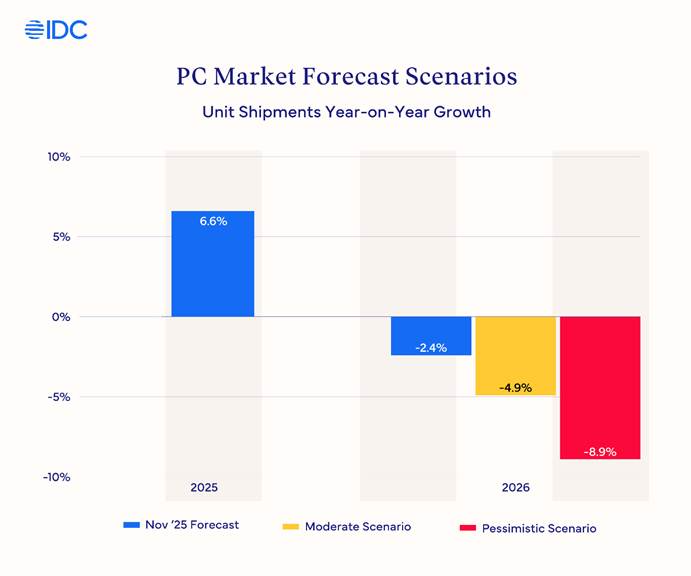
Analysts are now exploring various scenarios for the PC market, with the most pessimistic forecasts predicting a potential decline of nearly 9 percent. The impact isn’t limited to computers either; smartphone prices, particularly for Android devices where memory can represent a significant portion of the build cost, are also expected to rise.
The era of cheap, abundant memory and storage is coming to an end, at least for the foreseeable future. Consumers and businesses alike must prepare for a new reality where upgrading or even maintaining existing technology will come at a significantly higher price. This isn’t simply a temporary fluctuation; it’s a fundamental shift in the market landscape.
Even Apple, with its considerable purchasing power, may be forced to reconsider the pace of RAM and storage upgrades in its flagship devices. The competition for these vital components is fierce, and the future of personal technology hinges on navigating this challenging new environment.


