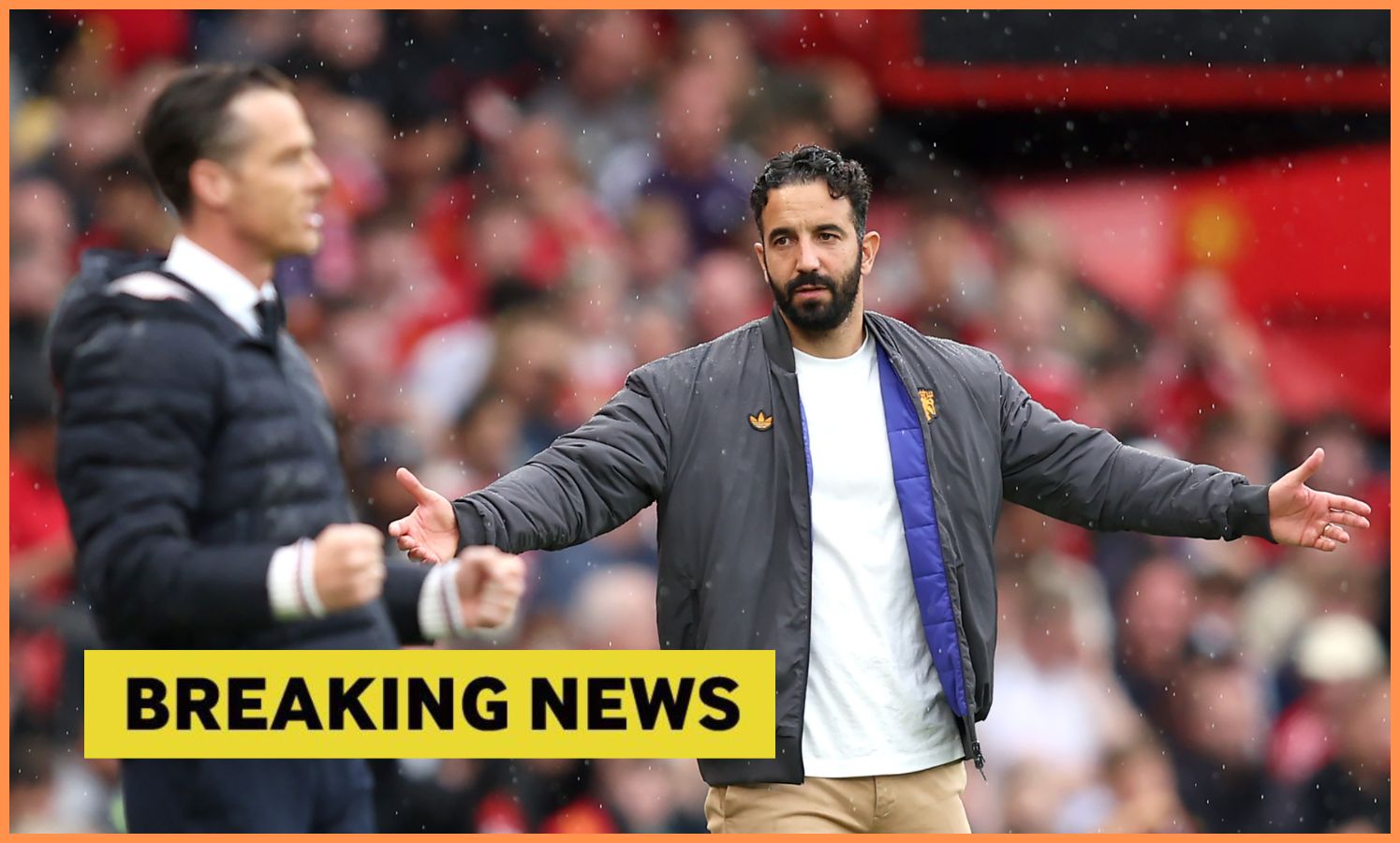
The reign was brief, a mere 14 months, making it the shortest for a Manchester United manager since the tumultuous post-Ferguson era began with David Moyes. Ruben Amorim is no longer at the helm, a surprising turn that signals a critical juncture for the storied club.
The decision, described as “reluctant” by club leadership, comes with Manchester United currently holding sixth place in the Premier League. The stated aim is to maximize their potential for the highest possible finish this season, a clear indication of the pressure to deliver immediate results.
Darren Fletcher, a familiar face and former midfielder, steps into the interim role, immediately tasked with preparing the team for a crucial match against Burnley. This provides a temporary stability while the search for a permanent successor intensifies.

The spotlight now falls on potential candidates, and Oliver Glasner, the current manager of Crystal Palace, is emerging as a frontrunner. His recent successes have drawn considerable attention, marking him as a serious contender for the demanding position.
However, voices within the footballing world are advocating for a broader search. Unai Emery, currently thriving at Aston Villa, is being championed as a proven tactician with a wealth of European experience.
Emery’s past, including his time at Arsenal and PSG, is being re-examined, with some arguing that criticisms leveled against him were unfair, particularly regarding his communication skills and the high expectations at those clubs.

Another name gaining traction is Andoni Iraola of Bournemouth, praised for his ability to build competitive teams despite consistently losing key players to larger clubs. His ambition and tactical acumen are seen as valuable assets.
A more nostalgic suggestion has also surfaced: the return of Manchester United legend Roy Keane to a coaching role. While considered a long shot, the idea evokes a powerful image of a figure known for his uncompromising standards and fierce dedication.
The underlying sentiment is a desire for a manager who can instill a renewed work ethic and discipline within the squad, a perceived weakness in recent seasons. The search is not simply for tactical brilliance, but for a leader who can reshape the team’s mentality.
Amorim’s tenure, while short, saw a slight improvement in performance, but ultimately lacked the consistency needed to propel United back to the top of the league. Last season’s disappointing 15th-place finish and a loss in the Europa League final underscored the need for change.
The coming months will be pivotal as Manchester United seeks a manager capable of restoring the club to its former glory, a task that demands not only tactical expertise but also a deep understanding of the club’s history and expectations.