The early morning air hung thick and humid, but Nicolás Maduro wasn't focused on the discomfort. He was jogging, a rare display of public normalcy, but something was profoundly *off*. His security detail, unusually attentive, moved with a practiced precision that spoke of more than just routine protection.
A closer look revealed the unsettling truth: the faces surrounding Maduro weren't Venezuelan. They were Cuban. Highly trained, intensely focused, and utterly out of place in this context, these weren't simply bodyguards; they were a shadow government within his own security apparatus.
The revelation sparked immediate and intense scrutiny. Whispers quickly escalated into accusations – that Cuban intelligence had effectively infiltrated and taken control of Venezuela’s security forces, operating as Maduro’s personal, and perhaps controlling, guard. This wasn't merely about physical protection; it was about control of information, power, and ultimately, the nation itself.

The implications were staggering. For years, the extent of Cuban influence in Venezuela had been a subject of speculation. Now, it appeared to be a concrete reality, a silent occupation unfolding in plain sight. Maduro’s dependence on Havana had reached a point where his very safety, and by extension, the stability of Venezuela, rested in Cuban hands.
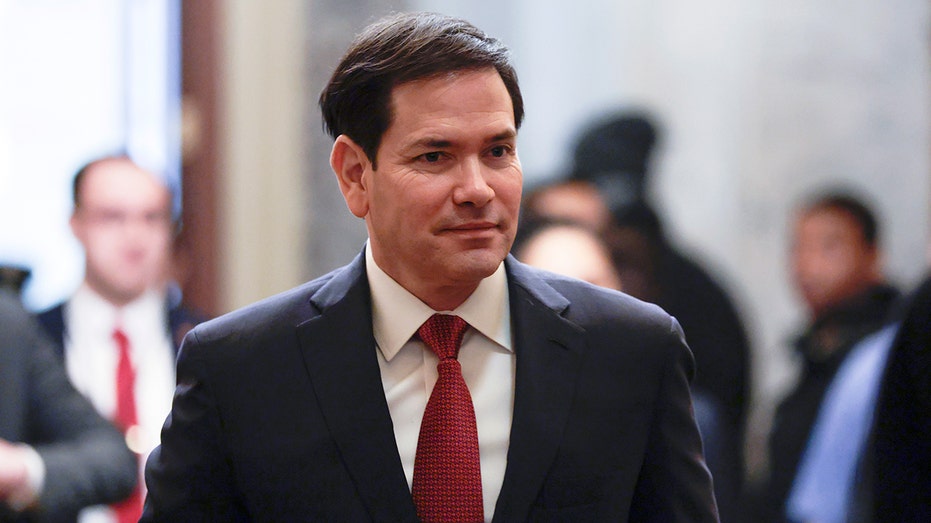
The situation drew sharp reactions from Washington. A prominent senator publicly signaled a potential shift in focus, suggesting Cuba itself might become a key target. The senator’s statements weren’t simply political rhetoric; they hinted at a deeper understanding of the power dynamics at play, and a willingness to confront the unseen hand guiding events in Caracas.
This wasn’t just about Maduro’s security; it was about a clandestine network, a hidden layer of control that extended far beyond the presidential palace. The revelation exposed a disturbing truth: Venezuela’s intelligence apparatus, its ability to protect its own citizens, had been effectively outsourced to a foreign power, fundamentally compromising its sovereignty.
The jogging scene, initially appearing innocuous, now felt like a carefully staged tableau, a visual representation of a nation held captive. Every stride, every glance from the Cuban security detail, spoke volumes about the delicate, dangerous balance of power and the unsettling reality of a country under foreign influence.