
Qualcomm is aiming to redefine the midrange laptop experience with the new Snapdragon X2 Plus processor. It’s not about a radical overhaul, but a focused refinement of their Windows on Arm strategy – delivering compelling performance and efficiency to a wider audience.
This isn’t a single chip, but a choice: a powerful 10-core configuration or a streamlined 6-core option. Qualcomm is directly challenging Intel’s Core Ultra 200-series and AMD’s Ryzen AI 300 processors, positioning the X2 Plus as a serious contender in the increasingly competitive laptop space.
The Plus series is designed to deliver performance comparable to an Intel Core i5, utilizing the same fundamental CPU architecture, a refined GPU, and a dedicated Neural Processing Unit (NPU). However, Qualcomm is making bolder claims this time around, promising a significant leap in capabilities.
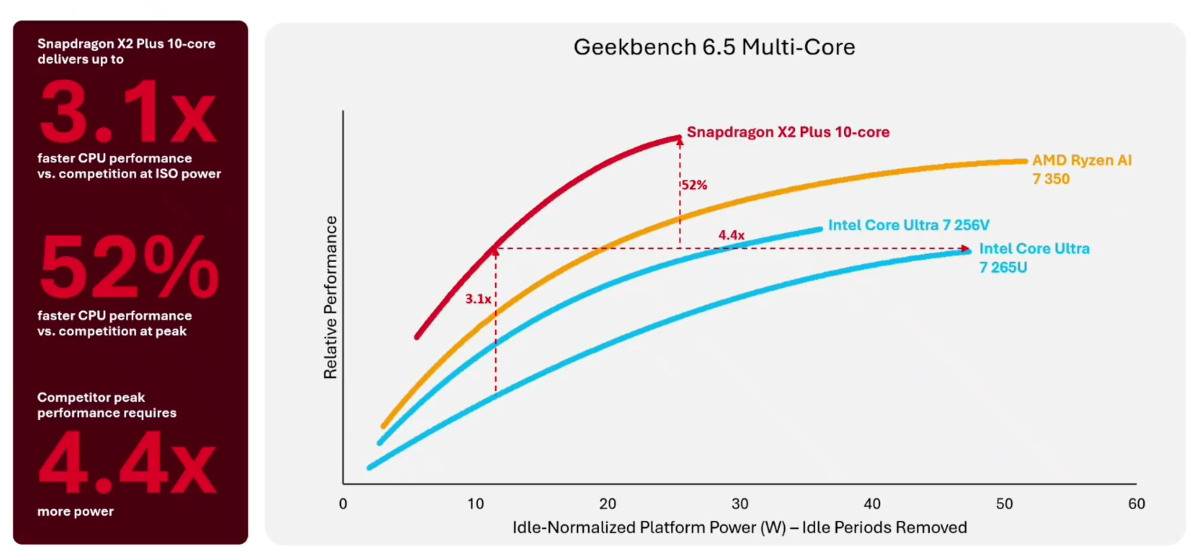
Previous generation chips offered a 28 percent performance boost. Now, Qualcomm asserts the top-tier 10-core X2 Plus surpasses the competition – specifically the Core Ultra 7 265U – by a factor of over three. This is a dramatic statement, signaling a new level of confidence in their technology.
Early adopters of the first-generation Plus processors included major manufacturers like Acer and Dell. Expect to see the X2 Plus appear in similarly priced devices, around $799, with more customer announcements anticipated at the CES show.
The core mission remains consistent: to extend the benefits of Qualcomm’s technology to a broader range of users. This isn’t about chasing the highest specs, but about democratizing access to advanced features and performance.
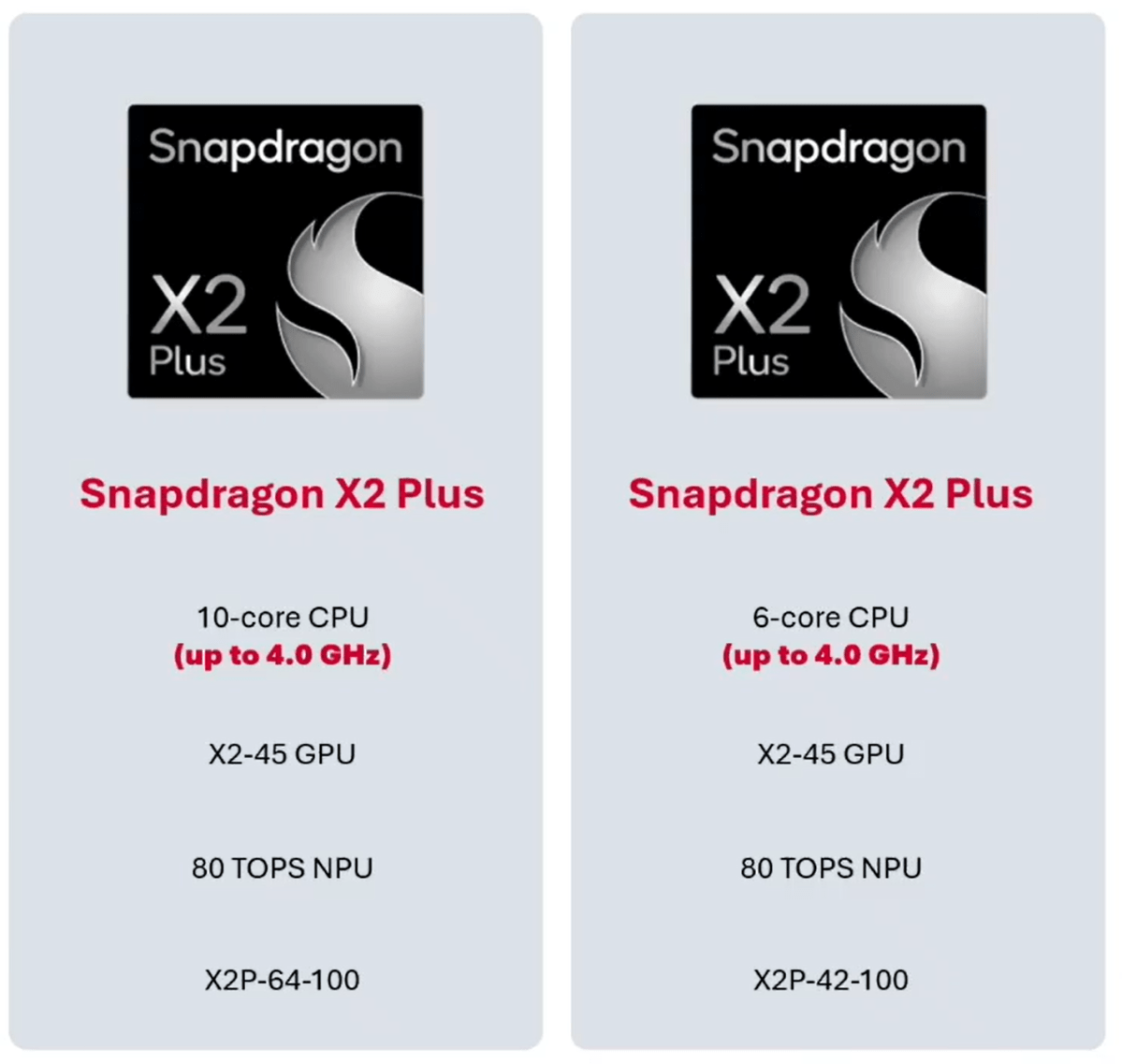
The 10-core X2 Plus boasts clock speeds up to 4.0GHz, paired with an X2-45 GPU. The 6-core variant mirrors these specifications. Both chips feature an 80 TOPS NPU, crucial for accelerating AI-powered tasks.
The decision to offer a 6-core option might seem unusual, but Qualcomm emphasizes they aren’t rigidly bound by core counts or frequencies. Their focus is on delivering optimal performance and efficiency, regardless of the underlying architecture.
While the X2 Plus appears similar to its predecessor on paper, the underlying technology has evolved. It’s built on updated third-generation Oryon CPU cores, resulting in tangible performance gains.
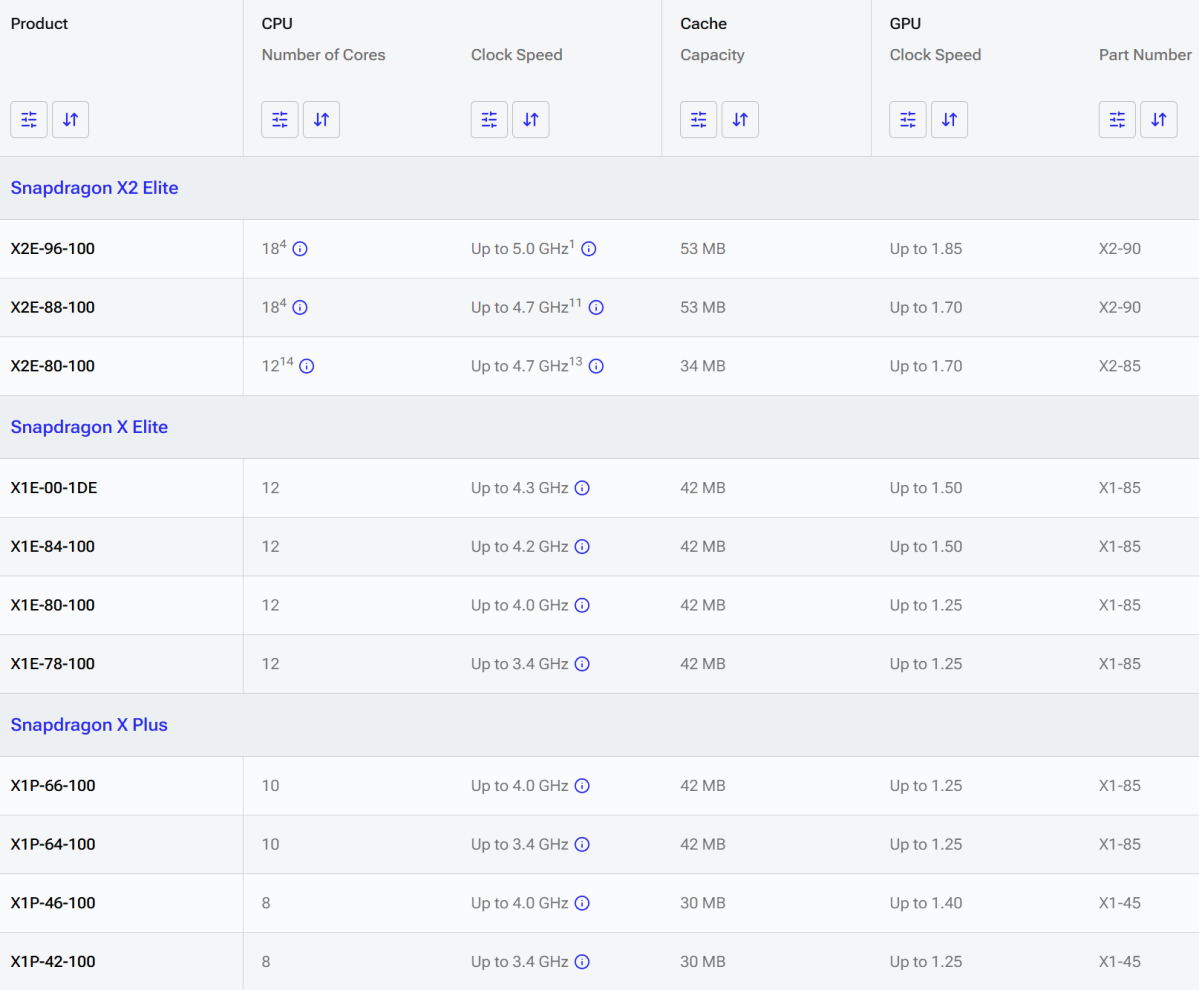
Unlike the previous generation, the X2 Plus doesn’t feature “turbo speed” cores. However, its base clock speed matches the turbo speed of the X1 Plus, providing a consistent level of performance. The inclusion of both “performance” and “prime” cores further enhances its capabilities.
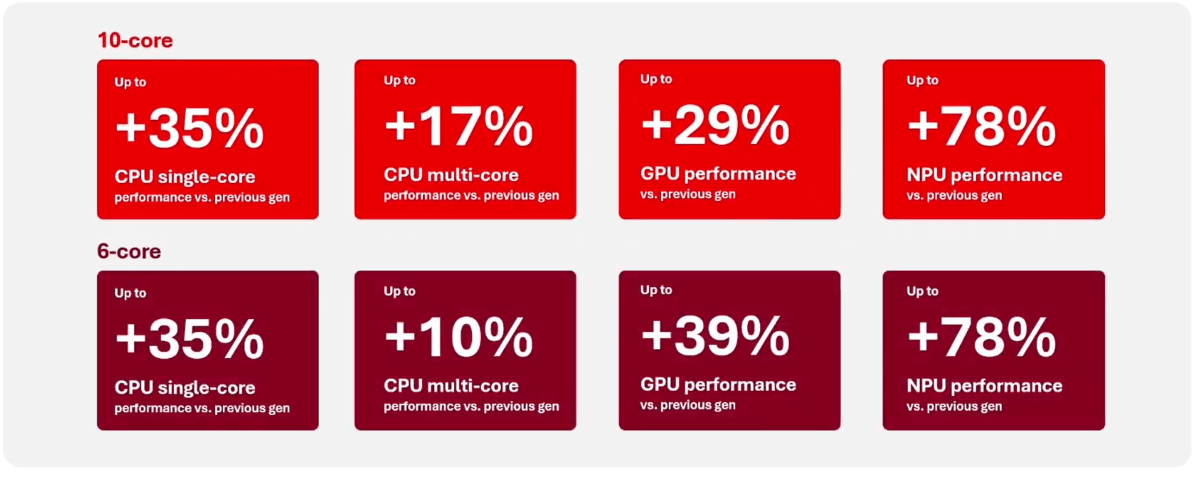
The improvements are substantial: a 35 percent increase in single-threaded CPU performance and up to 39 percent faster GPU performance, all while consuming 43 percent less power. These figures, derived from Geekbench and 3DMark tests, demonstrate a significant step forward.
Qualcomm is targeting Intel’s Core Ultra 200 series and AMD’s Ryzen AI 7 350, and the X2 Plus maintains full performance whether plugged in or running on battery – a key advantage over some competitors. The landscape is shifting rapidly, with Intel and AMD preparing new platforms, but Qualcomm is ready to compete.
Battery life estimates are still being refined in collaboration with device manufacturers. The focus is on optimizing the entire system to deliver a seamless and efficient user experience.
The potential of the NPU remains a key area of exploration. With 80 TOPS of processing power, the X2 Plus can handle a growing number of AI-powered features in applications like Microsoft Windows and Da Vinci Resolve. It’s preparing for a future where AI is seamlessly integrated into the PC experience.
Gaming performance is also a priority. Qualcomm has tested 1,400 games on the Snapdragon platform, achieving consistent 60Hz frame rates at 1080p resolution.
Microsoft’s updated Prism emulator provides enhanced compatibility, allowing a wider range of applications to run on Windows on Arm. While native Arm code is preferred for optimal performance, Prism expands the ecosystem of supported software.
Qualcomm is also collaborating with manufacturers to push the boundaries of laptop design. The goal is to create thinner, lighter, and more versatile devices, including innovative form factors like panel PCs and portable desktops.


