A new era has begun at NASA, and with it comes a bold, sweeping modernization plan. Newly confirmed Administrator Jared Isaacman has initiated the demolition of several long-standing testing facilities at the Marshall Space Flight Center in Huntsville, Alabama, signaling a decisive move towards the future of space exploration.
The first structures slated for removal are the Dynamic Test Stand and the Propulsion and Structural Test Facility, famously known as the T-Tower. Demolition is scheduled to begin, marking a tangible step in reshaping NASA’s infrastructure for ambitious upcoming missions.
This isn’t simply about tearing down old buildings; it’s about creating space – both physically and figuratively – for innovation. Isaacman views this as a necessary step to unlock investments in the advanced capabilities needed to achieve groundbreaking scientific discoveries and push the boundaries of what’s possible.
The demolition represents the initial phase of a larger initiative to retire 25 outdated structures at the Alabama flight center. This comprehensive overhaul aims to streamline operations and focus resources on cutting-edge technologies.
Funding for these vital upgrades comes from the One Big Beautiful Bill Act, legislation signed into law last year. The act provides a financial foundation for bolstering NASA’s infrastructure, not just in Alabama, but across the nation.
The T-Tower, originally constructed in 1957 by the U.S. Army Ballistic Missile Agency, holds a storied past. It played a crucial role in testing the boosters for both the Space Shuttle and the Saturn launch vehicles, witnessing pivotal moments in space history.
The Dynamic Test Stand, built in 1964, similarly served as a vital testing ground. It endured the rigorous demands of evaluating the Saturn V rockets and the Space Shuttles, ensuring their readiness for the challenges of spaceflight.
Isaacman’s confirmation to lead NASA came after a period of transition, following a previous nomination withdrawal and a period with an acting administrator. His arrival signals a fresh perspective and a renewed commitment to ambitious goals.
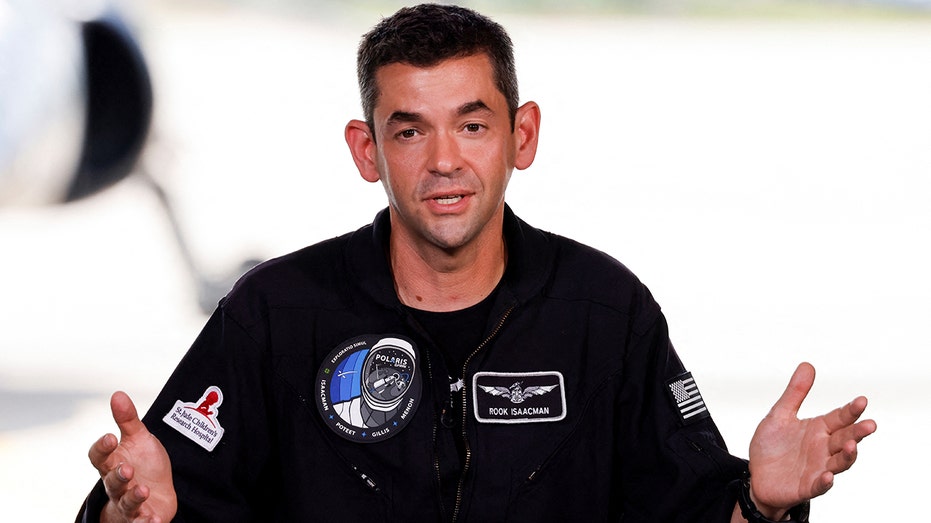
At 42, Isaacman is a self-made billionaire entrepreneur and a lifelong space enthusiast. He’s not just an administrator; he’s a pioneer who commanded the first all-civilian orbital space mission and completed the first-ever commercial spacewalk, bringing a unique hands-on experience to the role.
The new administrator faces significant challenges, including a recent executive order outlining a clear directive from the White House: to land an astronaut on Mars and continue lunar exploration. The stakes are high, and the timeline is aggressive.
The executive order sets a firm target for returning Americans to the Moon by 2028, deploying nuclear reactors on the Moon and in orbit by 2030, and fostering private sector investment to develop a commercial successor to the International Space Station by the end of the decade.
Isaacman’s leadership promises a dynamic shift at NASA, one that embraces modernization, innovation, and a relentless pursuit of humanity’s next giant leaps in space. The demolition of these historic facilities isn’t an ending, but a powerful beginning.