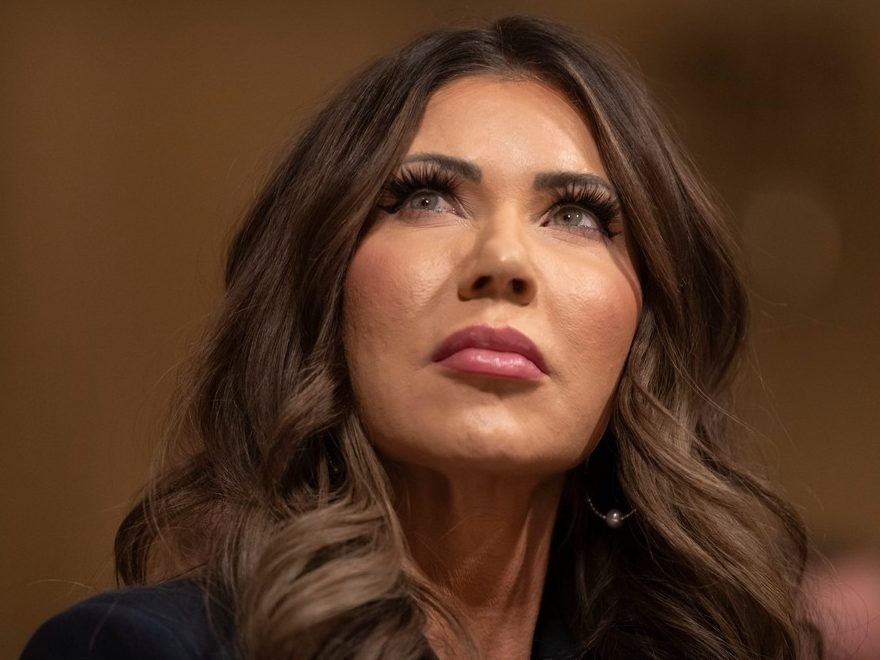
A political firestorm erupted after U.S. Secretary of Homeland Security Kristi Noem publicly accused a Hilton hotel of deliberately cancelling room reservations for ICE agents in Minneapolis. The accusation ignited a fierce debate, centering on allegations of discrimination and interference with federal law enforcement.
Noem’s claims, amplified through a post on social media, painted a stark picture: Hilton, according to the Secretary, was actively “siding with murderers and rapists” by refusing service to agents involved in immigration enforcement. The post included screenshots of an email that appeared to confirm the cancellations.
The email, reportedly sent to a Homeland Security staffer, detailed a decision to deny accommodations to anyone connected to ICE or immigration enforcement. It cited an online investigation into immigration-related work as the reason for the cancellation, stating the hotel was “not allowing any ICE or immigration agents to stay at our property.”
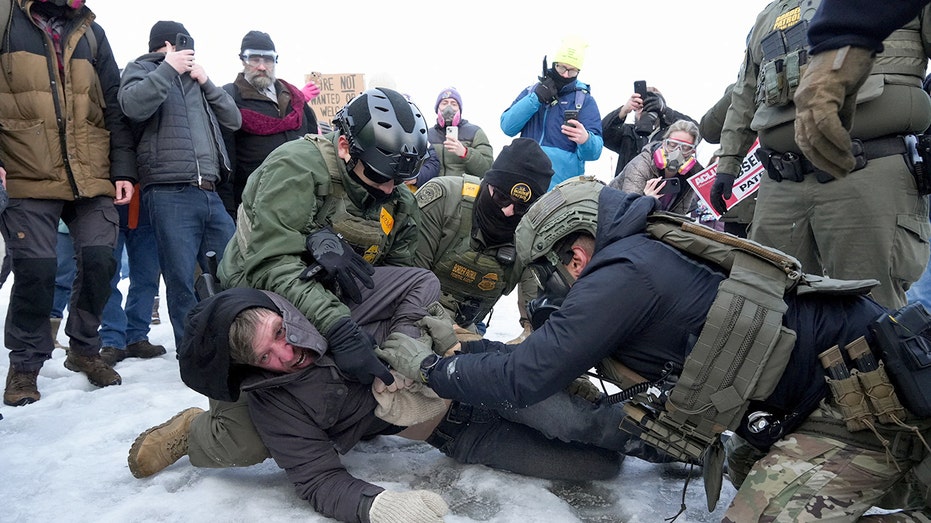
The situation unfolded against a backdrop of increased federal scrutiny in Minneapolis, a city targeted for an immigration crackdown following reports of alleged fraud. Plans were underway to deploy a significant number of ICE agents and DHS officers to the area, aiming to accelerate deportation efforts.
Hilton responded swiftly, announcing it had severed ties with the Hampton Inn by Hilton in Lakeville, Minnesota – the hotel at the center of the controversy. The company stated that while independently owned and operated, the hotel’s actions were unacceptable and did not align with Hilton’s core values.
Initially, Hilton had been assured by the hotel owner that the issue had been resolved. However, a subsequent video surfaced, raising serious doubts about the hotel’s commitment to those assurances. This prompted the immediate removal of the property from Hilton’s systems.
The hotel’s management company, Everpeak Hospitality, also issued a statement, expressing regret and reaffirming its commitment to welcoming all guests without discrimination. They claimed the incident was an isolated occurrence, inconsistent with their established policies.
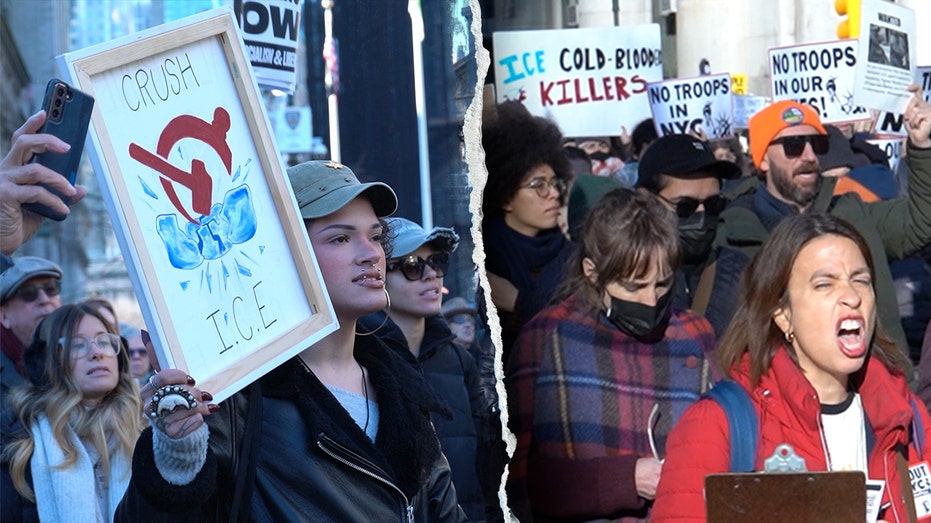
The incident has fueled a national conversation about the intersection of politics, hospitality, and immigration enforcement, raising questions about the responsibilities of businesses and the potential for bias in service provision. The fallout continues to reverberate, highlighting the deeply divisive nature of the immigration debate.