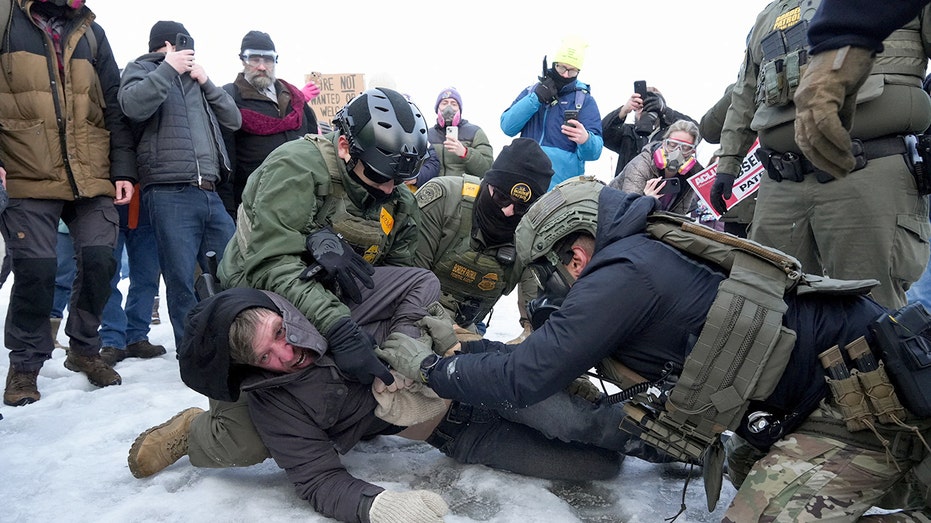
The scene unfolded with terrifying speed in Minneapolis. Surrounded by ICE officers, instructed to halt, the driver of a vehicle instead chose a different path – reversing, then accelerating forward, the engine roaring with intent. A nearby officer, weapon already drawn, found himself directly in the path of the speeding car, forced to react in a split second.
The immediate aftermath was chaos and tragedy. The vehicle crashed just meters away, and the driver was fatally wounded. But almost instantly, the event became fuel for a raging political firestorm, with accusations flying and narratives twisting the core facts.
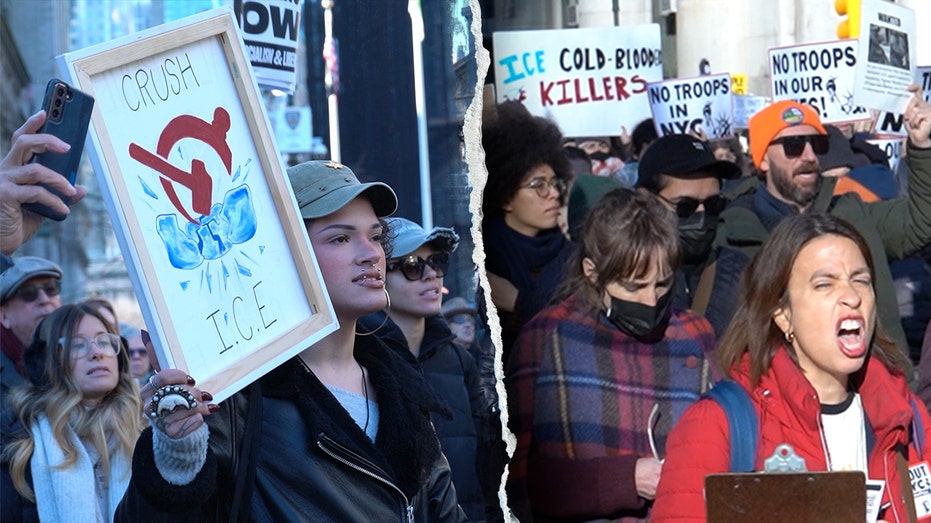
Some voices, echoing historical comparisons, labeled the incident a modern-day Kent State, branding it as outright murder. Others demanded immediate arrests, fueled by a rush to judgment before all the evidence was examined. The raw emotion obscured a fundamental truth: a vehicle had been deliberately used as a weapon against law enforcement.
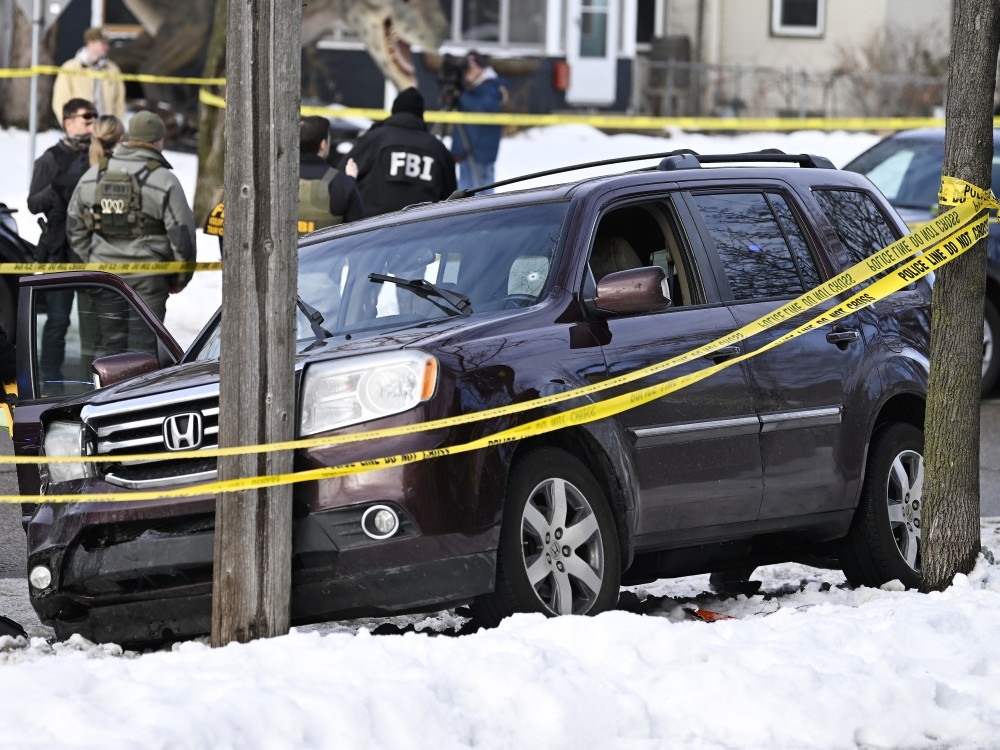
The Department of Homeland Security reports the officers had given clear instructions to stop the vehicle, instructions that were ignored. The officer fired, acting to neutralize an immediate and credible threat. This wasn’t a case of indiscriminate force, but a desperate attempt to prevent serious harm or death.
The president swiftly defended the officers, describing the driver’s actions as “violently, willfully, and viciously” running over an agent. He noted the presence of what appeared to be a professional agitator, adding another layer of complexity to the unfolding events.
However, counter-narratives quickly emerged, questioning the justification for the use of deadly force. One prominent journalist claimed the agent shot an “unarmed woman trying to flee,” dismissing the DHS assessment and demanding an investigation. Crucially, this account omitted the detail of the car’s trajectory – directly toward the officer – and the presence of another officer at the driver’s side door.
Similar scenarios have played out before, with devastating consequences. In Ontario, a case six years prior saw an officer clear to shoot a suspect who drove directly at them during an attempted arrest. The Special Investigations Unit (SIU) determined the officer’s actions were legally justified, recognizing the inherent danger faced by law enforcement.
The legal framework is clear: officers are authorized to use necessary force to protect themselves and others. When a suspect actively threatens an officer’s life, the response, however tragic, is often deemed lawful. This isn’t about condoning violence, but acknowledging the perilous situations officers routinely face.
The incident in Minneapolis, like the case in Peel Region, underscores a stark reality. When law enforcement issues a command to stop, compliance is paramount. Disregarding that order carries inherent risks, risks that can escalate with terrifying speed. The consequences of resistance can be fatal.
Beyond the legal and political debates, a deeper issue remains: the escalating animosity and disregard for authority. This event serves as a brutal reminder that de-escalation begins with listening, and that resisting lawful commands can have irreversible, tragic outcomes. It’s a lesson etched in sorrow and a call for a more measured, respectful approach to interactions with law enforcement.