Chrystia Freeland, a prominent figure in Canadian politics, is preparing to leave her position as a Member of Parliament before the end of the week. This decision follows mounting pressure from opposition parties regarding her newly accepted advisory role with the Ukrainian government.
Freeland, who has represented the riding of University—Rosedale since 2015, initially indicated she would depart in the “coming weeks.” This vagueness sparked immediate criticism, as opponents questioned the ethics of simultaneously serving as a Canadian MP while advising a foreign leader during a time of war.
The unfolding situation began with Freeland’s acceptance of an unpaid position advising Ukrainian President Volodymyr Zelenskyy on economic development. This came after she had already announced her intention to step down from Canadian politics to become the CEO of the Rhodes Trust charity in England, a role starting in 2026.
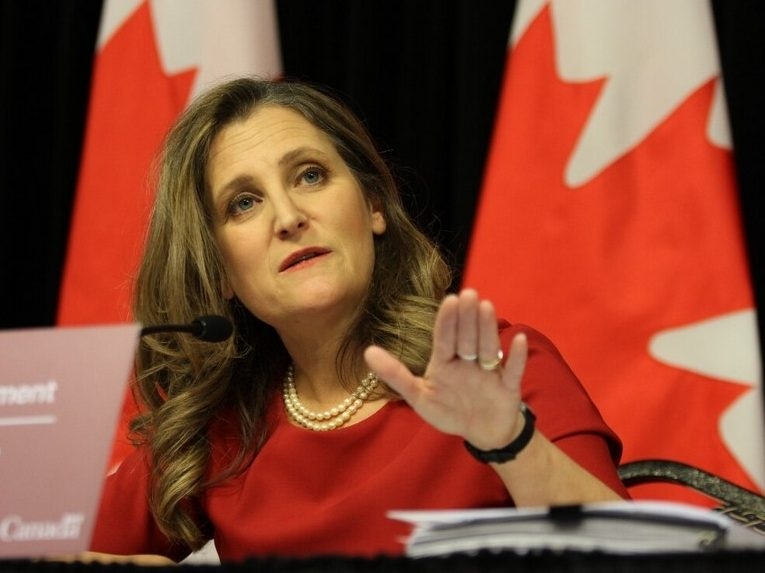
Prior to the Ukraine advisory role, Freeland had been appointed as a special representative for the reconstruction of Ukraine under Prime Minister Mark Carney. The sequence of these appointments fueled concerns about potential conflicts of interest and the appropriate use of her experience and influence.
Initial reactions focused on the ambiguity surrounding her continued presence in the Canadian Parliament. Questions arose about her ability to impartially represent her constituents while also offering counsel to a government engaged in an active conflict with Russia.
Reports surfaced indicating Freeland had already been residing in London for months, preparing for her future role with the Rhodes Trust. This added to the scrutiny, with critics suggesting she was effectively absent from her duties as a Canadian MP.
Opposition MPs were swift to demand her immediate resignation. Concerns were voiced about her continued access to sensitive information as a former cabinet minister, and the potential for that information to be shared with a foreign government.
The debate intensified, with some suggesting that a foreign influence registry, if Canada had one, would have required Freeland to formally register her advisory role with Ukraine. This highlighted the lack of transparency surrounding her dual commitments.
Ultimately, Freeland responded to the growing pressure, announcing on Wednesday evening that she would vacate her seat in the House of Commons on Friday. She framed the decision as a natural progression following her earlier announcements about stepping away from Canadian politics.
In a statement, Freeland emphasized her commitment to both Canada and Ukraine, asserting that she would continue to support both nations in her future endeavors. She maintained that she had consulted with the ethics commissioner and followed all relevant guidelines.
Freeland’s departure marks the end of a significant chapter in Canadian politics, leaving behind a legacy of service and a complex debate about the boundaries of public duty and international engagement.