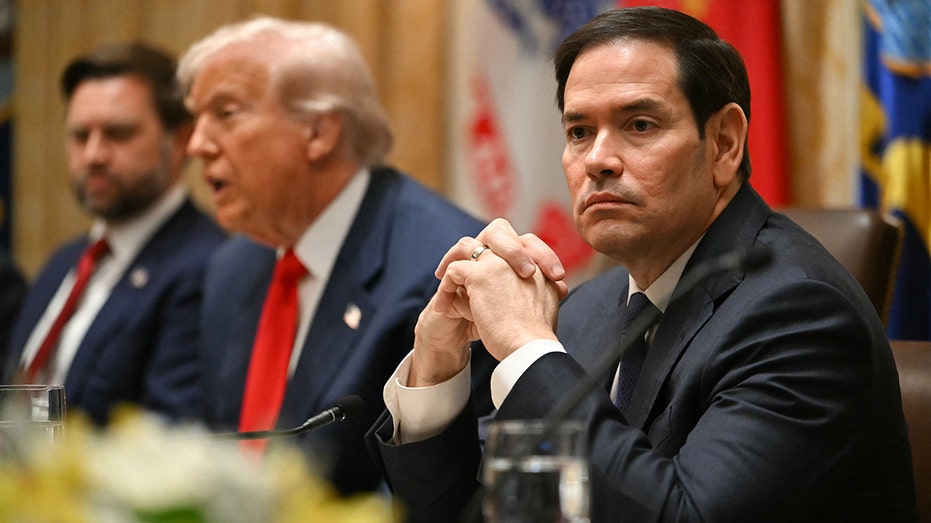
A sweeping directive issued Wednesday signaled a dramatic reshaping of America’s role on the global stage. President Trump signed a memorandum initiating the withdrawal of the United States from sixty-six international organizations, a move intended to redefine national priorities and resource allocation.
The decision stems from a comprehensive review, initiated earlier this year, that scrutinized the value and impact of U.S. involvement in a vast network of international bodies. This review, spearheaded by Secretary Rubio, identified entities deemed no longer aligned with American interests, triggering the order for immediate action.
The memorandum specifically targets thirty-five organizations outside the United Nations system and thirty-one UN entities. Withdrawal will involve both ceasing participation and halting financial contributions, implemented as swiftly as legally permissible.
The administration characterized this action as a core tenet of the “America First” agenda, a commitment to reclaiming sovereignty and redirecting taxpayer funds. The goal is to eliminate support for organizations perceived as inefficient, ineffective, or actively working against U.S. objectives.
Secretary Rubio articulated a stark assessment of the targeted institutions, labeling them “anti-American, useless, or wasteful.” He emphasized the conclusion that these organizations were either redundant, poorly managed, or actively undermined American interests and prosperity.
Rubio’s statement underscored a fundamental shift in perspective: the belief that continued financial support represented an unacceptable burden on American citizens. He argued that billions of dollars had been spent with minimal tangible benefit to the nation.
The organizations affected span a broad spectrum of policy areas, including climate change, energy, international development, governance, migration patterns, and gender equality initiatives. A complete list was released alongside the presidential memorandum.
This withdrawal isn’t viewed as isolationism, but rather a recalibration of international engagement. The administration intends to pursue cooperation only when it demonstrably serves American interests, and to firmly defend national sovereignty where conflicts arise.
The White House indicated that this initial action is not the end of the process. A continued review of other international organizations is underway, suggesting further adjustments to U.S. involvement in global affairs are likely.
The directive represents a decisive moment, signaling a clear intention to prioritize domestic concerns and reshape America’s relationship with the international community. It’s a move poised to spark debate and redefine the contours of U.S. foreign policy for years to come.


