The race for the NDP leadership is entering a critical final stage, a frantic push to solidify support and funding before crucial deadlines loom.
January 28th marks a pivotal moment: the cutoff for membership eligibility and the last chance to bolster campaign coffers. The pressure is palpable as candidates scramble to reach their goals.
Avi Lewis’s campaign reports a significant fundraising total, nearing $783,000 by the end of December, fueled by an average of $8,000 in daily donations. This influx came from nearly 5,500 contributions from over 4,400 individuals during the final quarter of last year.
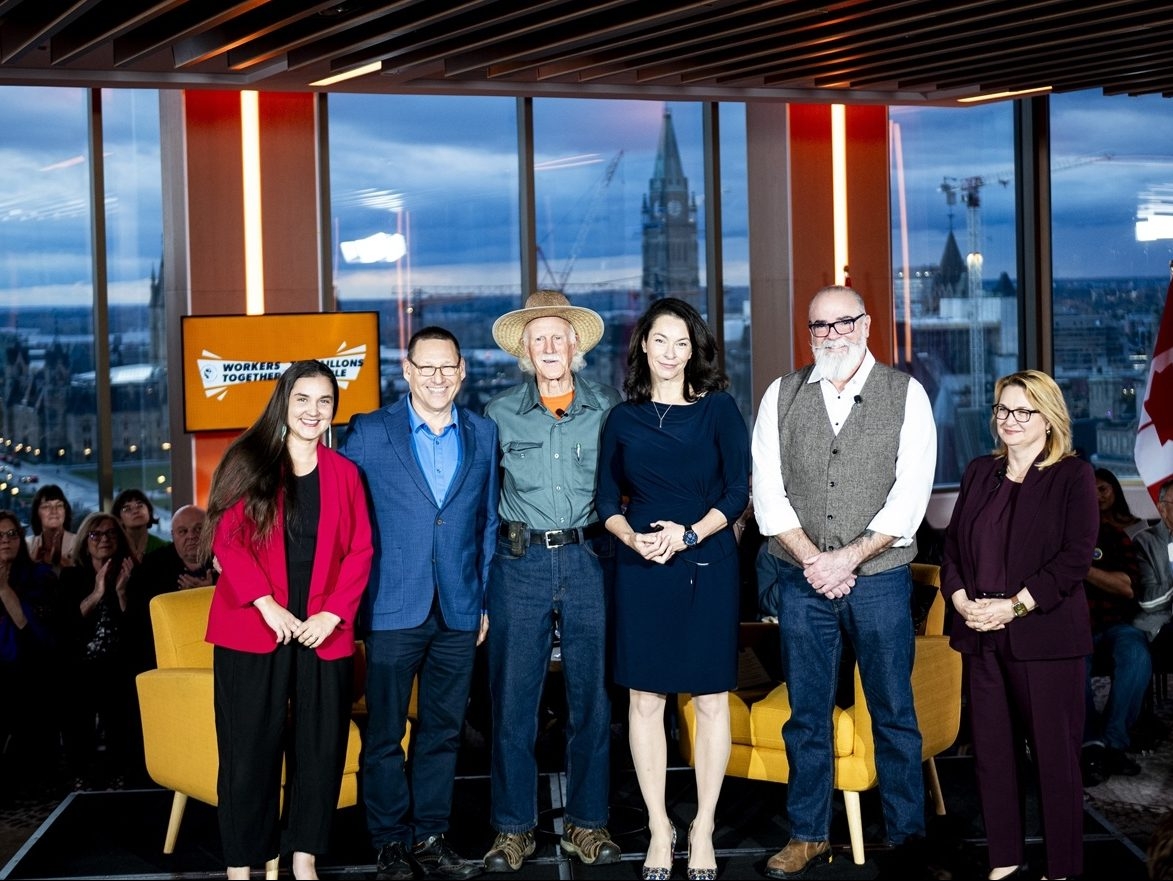
While Lewis’s numbers are notable, other campaigns remain tight-lipped about their financial standings, awaiting a comprehensive report to Elections Canada later this winter. The full picture of fundraising success will then be revealed.
Heather McPherson and Rob Ashton express confidence in meeting their fundraising targets, while the campaigns of Tanille Johnston and Tony McQuail are engaged in last-minute fundraising drives to remain competitive.
Experienced NDP strategist Karl Belanger suggests that exceeding $700,000 is a strong showing, but emphasizes the importance of expanding beyond the existing party base. True growth, he argues, lies in attracting new supporters and broadening the party’s appeal.
The candidates are beginning to draw sharper distinctions between themselves. Ashton directly challenged Lewis’s approach, arguing the party needs a leader who empowers provincial branches, not one who dictates from above.
McPherson, the only current MP in the race, is focused on reconnecting the NDP with everyday Canadians, acknowledging a growing disconnect that contributed to the party’s disappointing electoral performance last year.
Lewis, meanwhile, is campaigning on a platform of “bold solutions,” proposing ambitious initiatives like dedicating two percent of GDP to climate projects and establishing publicly funded grocery stores.
The focus is now shifting from membership drives to ensuring those members actually cast their ballots. Strategists believe the key lies in motivating supporters to participate in the voting process.
All eyes are now on the upcoming English-language debate on February 19th. Experts predict a more confrontational tone, a departure from the relatively cordial atmosphere of the previous debate in Montreal.
NDP members are eager to hear clear distinctions between the candidates’ visions. While traditionally a collaborative party, a sharper contrast in ideas is expected and desired.
The previous debate offered a glimpse of the candidates’ personalities, with McQuail charmingly gifting each competitor a jar of homemade apple butter – a moment of unexpected warmth.
Belanger hopes the English debate will provide a crucial opportunity for candidates to differentiate themselves and sway undecided members, something the French debate failed to achieve.
The next leader faces the daunting task of unifying a party grappling with internal divisions, particularly as economic anxieties and global challenges shift voter priorities.
The economic climate, marked by job insecurity and trade tensions, has pushed environmental concerns down the list for many Canadians. The new leader must navigate these shifting priorities while capitalizing on opportunities presented by the current political landscape.
The ultimate decision will be made at the NDP’s annual convention in Winnipeg on March 29th, where the party will announce its new leader and chart its course for the future.