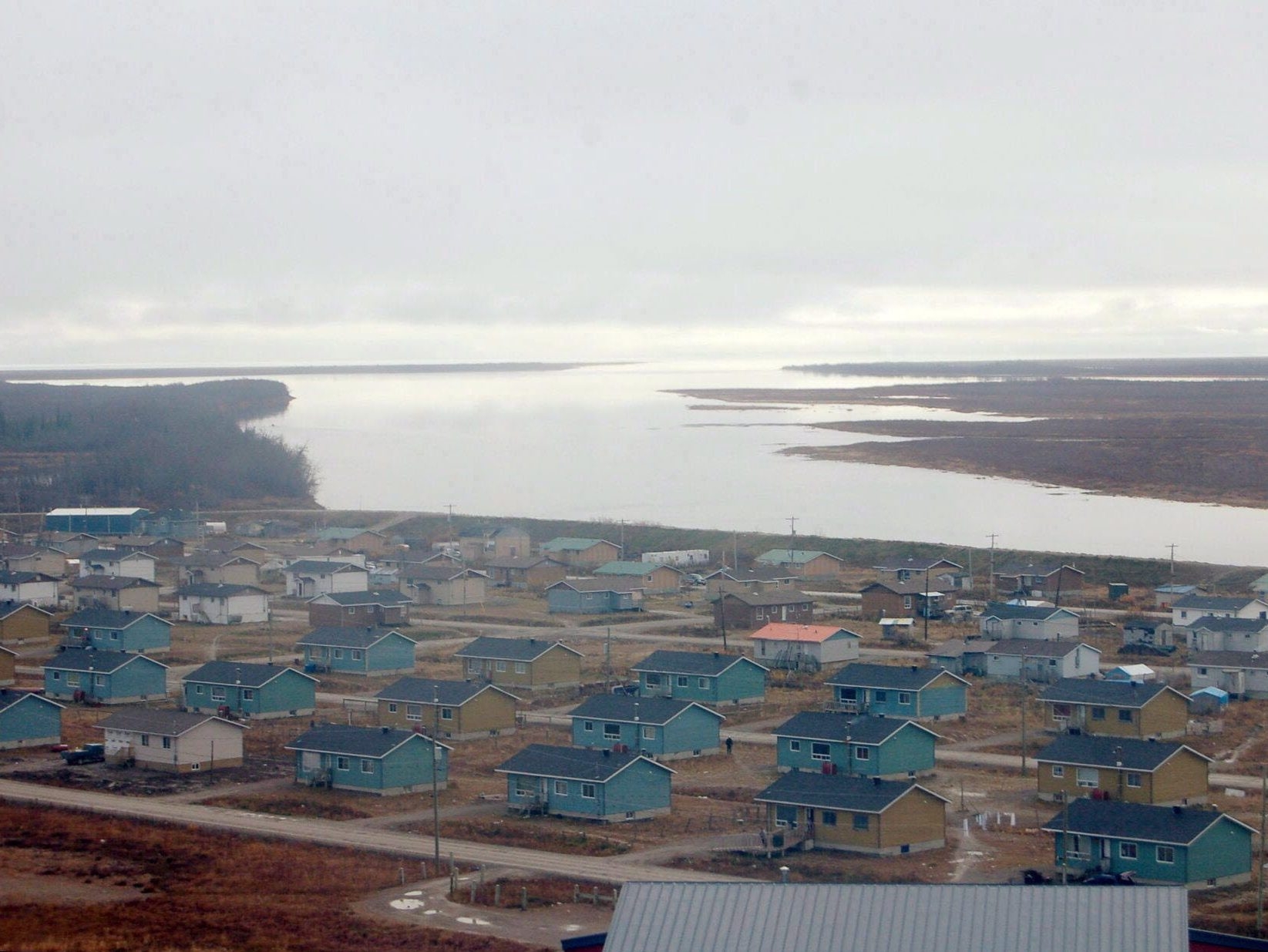
A remote First Nation in northern Ontario faces a crisis of unimaginable scale. Kashechewan First Nation is preparing to evacuate its entire population, a desperate measure triggered by the catastrophic failure of its water and wastewater systems.
The community, accessible only by air, is grappling with a rapidly dwindling water supply. An automatic shutdown was initiated to prevent further damage to the already strained infrastructure, a system struggling for over three decades.
But the problem extends far beyond a simple shortage. Pump failures in sewage lift stations are causing raw sewage to back up into homes, a horrifying reality that contaminates precious freshwater sources and poses an immediate threat to public health.
Potable water is being flown in as a temporary fix, but it’s a band-aid on a gaping wound. Initial plans focused on evacuating vulnerable individuals, those with medical conditions most at risk, but the scope of the disaster now demands the relocation of approximately 2,200 residents.
The first wave of evacuees, 37 people, reached Timmins with provincial assistance. However, community leaders express deep frustration with the pace of the response, highlighting the disparity between government action and the community’s own efforts to secure transportation.
Executive Director Tyson Wesley voiced a stark criticism: the community has secured more flights than the government has provided thus far. This imbalance, he says, is unacceptable and underscores a systemic failure to prioritize the safety of his people.
Requests for military assistance have been made, alongside ongoing collaboration with Indigenous Services Canada, provincial emergency operations centres, and other agencies. The goal is to coordinate a comprehensive evacuation and ensure evacuees receive essential support.
The situation is compounded by a growing health crisis within the community. A noticeable sewage odour permeates the nursing clinic, with reports of raw sewage in the basement, and an influenza outbreak is spreading rapidly, exacerbated by the lack of clean water.
The emotional toll is immense. Residents are living with constant anxiety, unable to perform basic hygiene tasks, and burdened by the recurring nature of this crisis. The simple act of bathing a child, washing clothes, or flushing a toilet has become a source of profound stress.
This isn’t the first time Kashechewan has faced such a devastating situation. In 2005, an E. coli contamination forced the evacuation of over 800 people, and another evacuation occurred in December 2024 due to water treatment plant issues. Recurring spring flooding has also repeatedly displaced residents.
For the people of Kashechewan, this isn’t just a disaster; it’s a pattern of neglect and a stark reminder of the systemic challenges facing remote First Nations communities. It’s a fight for basic human dignity and a desperate plea for lasting solutions.