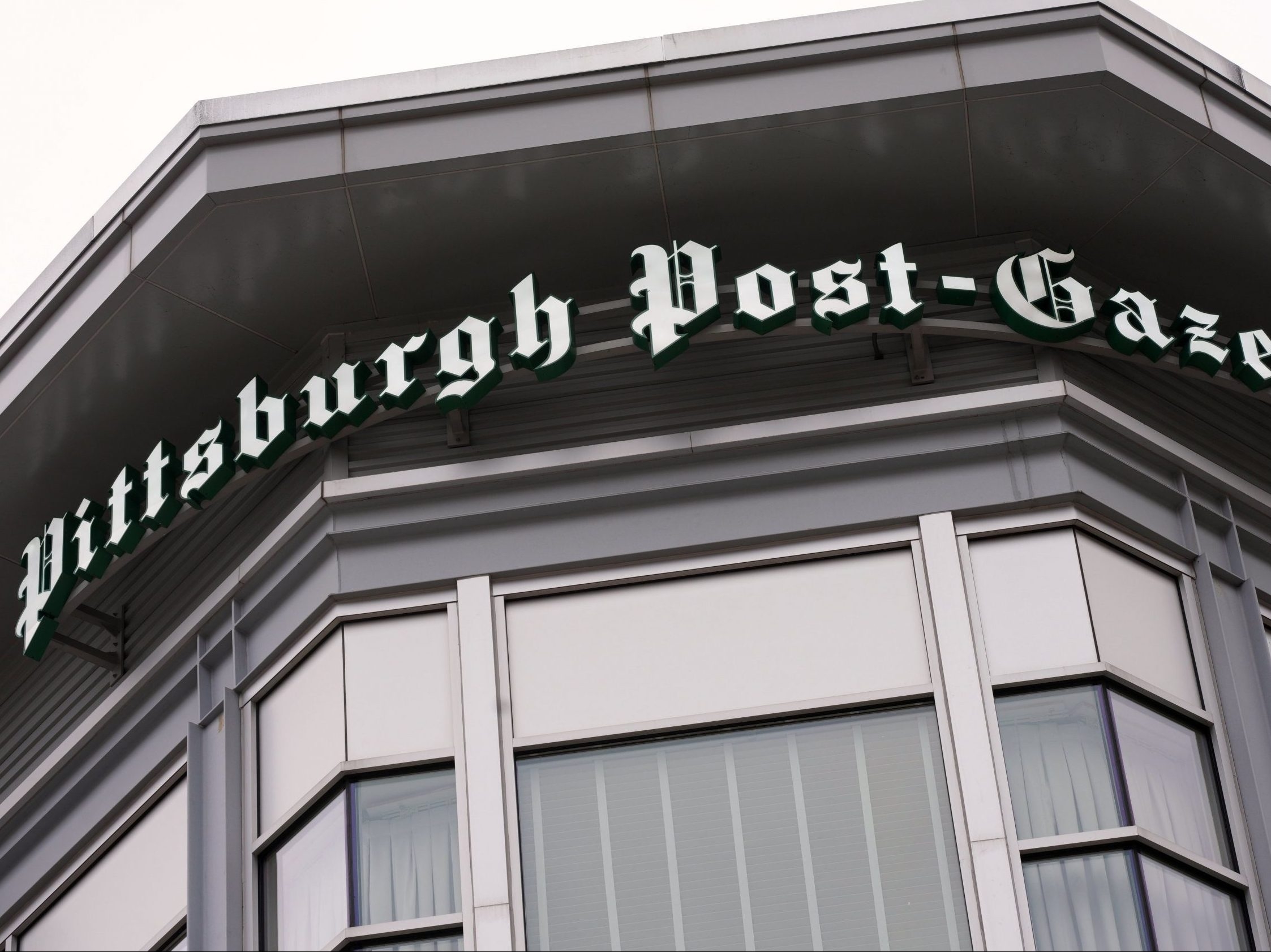
A century of stories is about to end. The Pittsburgh Post-Gazette, a newspaper woven into the very fabric of the city, will cease publication on May 3rd, a casualty of relentless financial pressures.
The announcement, delivered via a cold, impersonal video conference, stunned the newsroom and ignited a firestorm of controversy. Employees learned of the closure not from a direct address by company leadership, but through a disembodied message on Zoom.
For years, the Post-Gazette has battled internal strife, marked by a grueling three-year strike that concluded just last November. Twenty-three union members cautiously returned to work, hoping to rebuild, unaware the foundation was crumbling beneath them.
The closure arrives on the heels of a Supreme Court decision refusing to halt a National Labor Relations Board order. This order mandated the paper adhere to expired union healthcare coverage policies, a final blow in a protracted legal battle.
Union representatives accuse the owners of prioritizing punishment over compliance. They claim Block Communications deliberately stalled negotiations and acted in bad faith, ultimately choosing to silence local journalists rather than follow the law.
The Block family, in a statement, expressed pride in the paper’s nearly century-long service to Pittsburgh. However, they cited hundreds of millions of dollars in losses over two decades as the unavoidable reason for the shutdown, deeming the continued financial drain unsustainable.
The Post-Gazette’s history stretches back to 1786, originating as the four-page Pittsburgh Gazette. It evolved into a powerful voice, notably becoming a staunch advocate for the abolition of slavery during the 19th century.
Paul Block acquired the paper in 1927, renaming it the Post-Gazette and solidifying its place as a cornerstone of Pittsburgh journalism. Now, that legacy faces an abrupt and heartbreaking end.
The paper boasted an average paid circulation of 83,000, reaching thousands of homes each Thursday and Sunday. Its journalists have consistently produced award-winning work, a testament to their dedication and skill.
The silencing of the Post-Gazette represents more than just the loss of a newspaper; it’s the loss of a community voice, a historical record, and a vital source of information for the city of Pittsburgh.