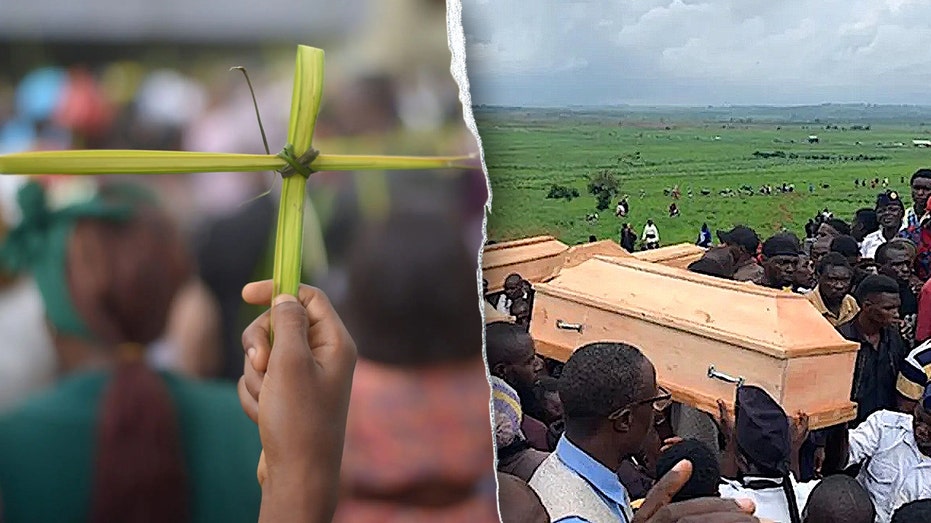
A chilling pattern of abductions is unfolding in north-central Nigeria, targeting Christians with ruthless precision. It’s not simply random violence, but a calculated strategy to dismantle communities, leaving them economically shattered and spiritually vulnerable.
Those on the ground describe a deliberate campaign orchestrated by Fulani militants, predominantly Muslim, who exploit kidnapping for ransom as a core tactic. The funds aren’t merely for personal gain; they are fueling a wider agenda, a calculated attempt to bankrupt Christian communities into submission.
The scale of the crisis is staggering. Between 2020 and 2025, over 4,400 Christians were abducted in the north-central region alone. Disturbingly, statistics reveal a Christian was 2.4 times more likely to be targeted than a Muslim, highlighting the disproportionate nature of the attacks.
Victims aren’t chosen randomly. Churches and schools are raided, and religious leaders – priests and pastors – are specifically singled out as high-value targets. Families are forced to liquidate everything they own – land, livestock, and precious possessions – to meet exorbitant ransom demands.
The consequences are devastating. Even after ransoms are paid, there’s no guarantee of release. Some are returned broken and destitute, having lost their livelihoods. Others are never seen again, their fate a grim warning to others.
One pastor, Rev. James Audu Issa, was held captive for weeks after a ransom was paid, only to be brutally murdered. This chilling reality underscores the horrific dilemma facing families: pay and potentially prolong the violence, or refuse and risk certain death.
The impact extends far beyond individual families. Churches are being financially crippled, forced to deplete their resources to secure the release of congregants. One church alone reported paying the equivalent of $205,000 for the freedom of fifty members.
A Nigerian lawyer, operating under a pseudonym for his own safety, believes the kidnappings are a deliberate attempt to economically weaken Christians. The militants, he asserts, are engaged in a jihad, and the ransoms are funding their campaign.
Christian communities, though a majority in the Middle Belt, face a desperate future. The systematic targeting and economic devastation threaten their very existence, leaving them with a bleak outlook and a constant fear for their lives.
The choice presented to these communities is agonizing: surrender their resources to perpetuate the cycle of violence, or face the ultimate consequence. The situation is a desperate plea for intervention, a cry for help from a region teetering on the brink of collapse.