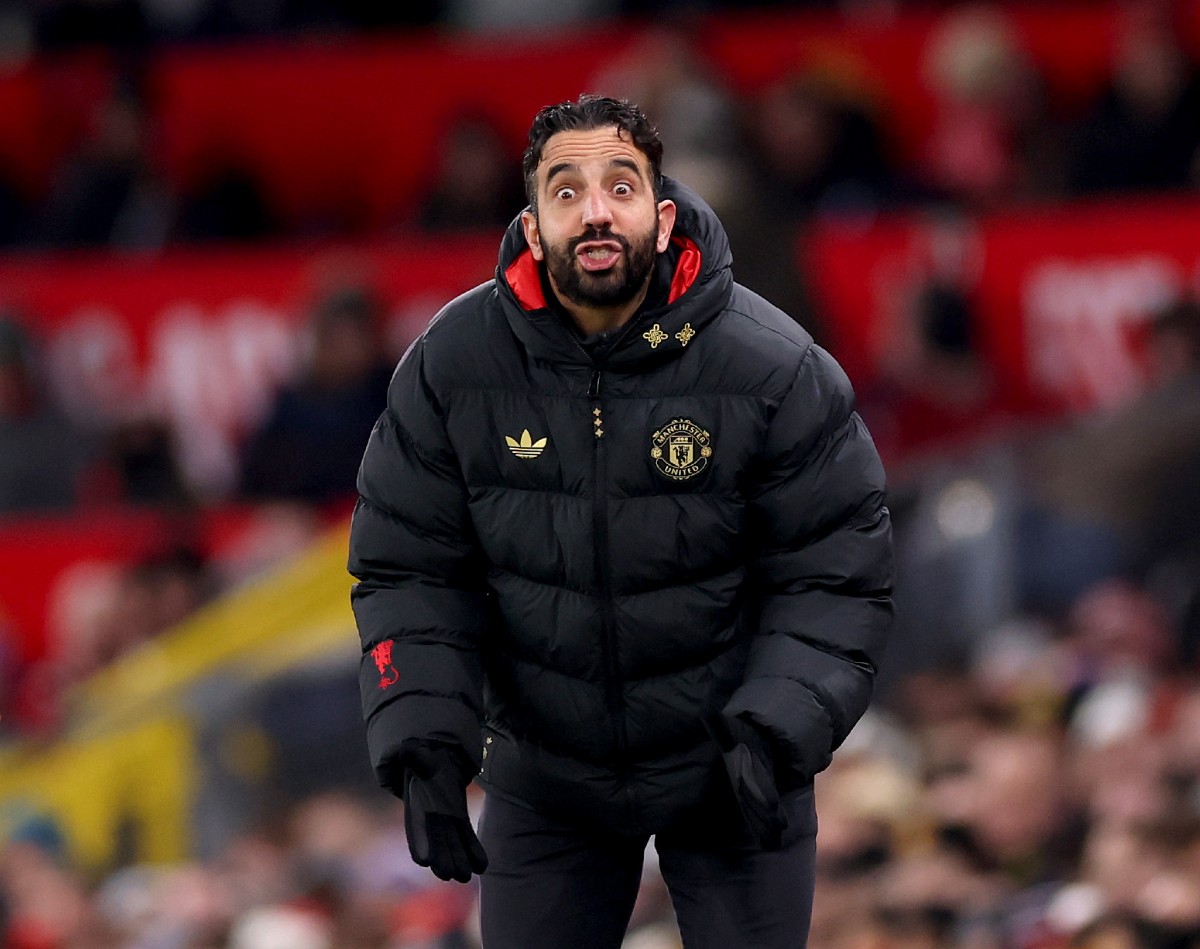
A tense atmosphere gripped Old Trafford as Manchester United battled to a 2-2 draw against Burnley, a result that felt more like a setback than a triumph. The match unfolded against a backdrop of significant tactical change, a gamble taken by interim manager Darren Fletcher that sparked immediate discussion.
For months, the team had operated under a three-defender system, a strategy implemented by the recently departed Ruben Amorim. However, Fletcher boldly reverted to the classic four-defender formation, a move steeped in the club’s history and, he believed, better suited to the current squad.
Fletcher’s reasoning wasn’t merely tactical; it was a statement about the club’s identity. He emphasized the 4-4-2 as intrinsically linked to Manchester United’s legacy, a formation woven into the fabric of its success. It was a subtle, yet pointed, departure from Amorim’s rigid approach.
Amorim’s tenure had been marked by a steadfast adherence to his preferred system, even when it meant deploying players in unfamiliar roles. Critics argued this inflexibility stifled the team’s potential, and ultimately contributed to his dismissal. The change signaled a desire for a more pragmatic, player-focused strategy.
The shift to a back four was intended to unlock a more natural flow and improve the team’s overall balance. While the draw against Burnley wasn’t a resounding victory, it offered a glimpse of potential, a suggestion that a return to familiar foundations might be the key to unlocking the team’s capabilities.
Now, the focus shifts to the future. Manchester United’s ambitions for European qualification remain firmly in sight, but require a sustained period of improvement. Fletcher faces the challenge of stabilizing the team and building momentum in the weeks ahead.
Behind the scenes, the search for a permanent manager continues, with several candidates under consideration. The name of Michael Carrick, a former midfield stalwart, has surfaced in discussions, adding another layer of intrigue to the club’s ongoing transformation.
The coming weeks will be pivotal, not just for Manchester United’s European aspirations, but for defining the club’s long-term direction. The choice of manager will be crucial, shaping the team’s identity and setting the stage for a new era at Old Trafford.