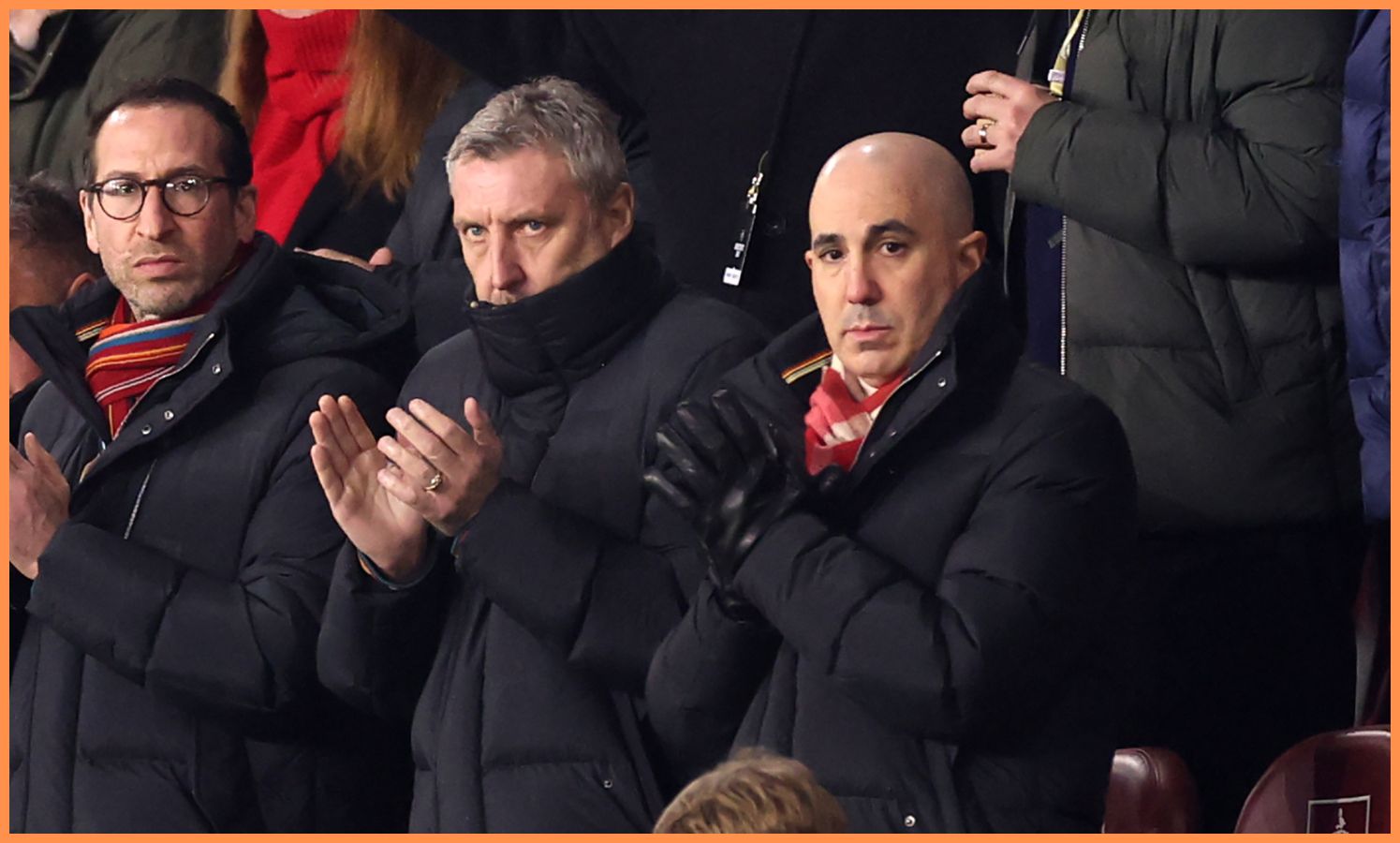
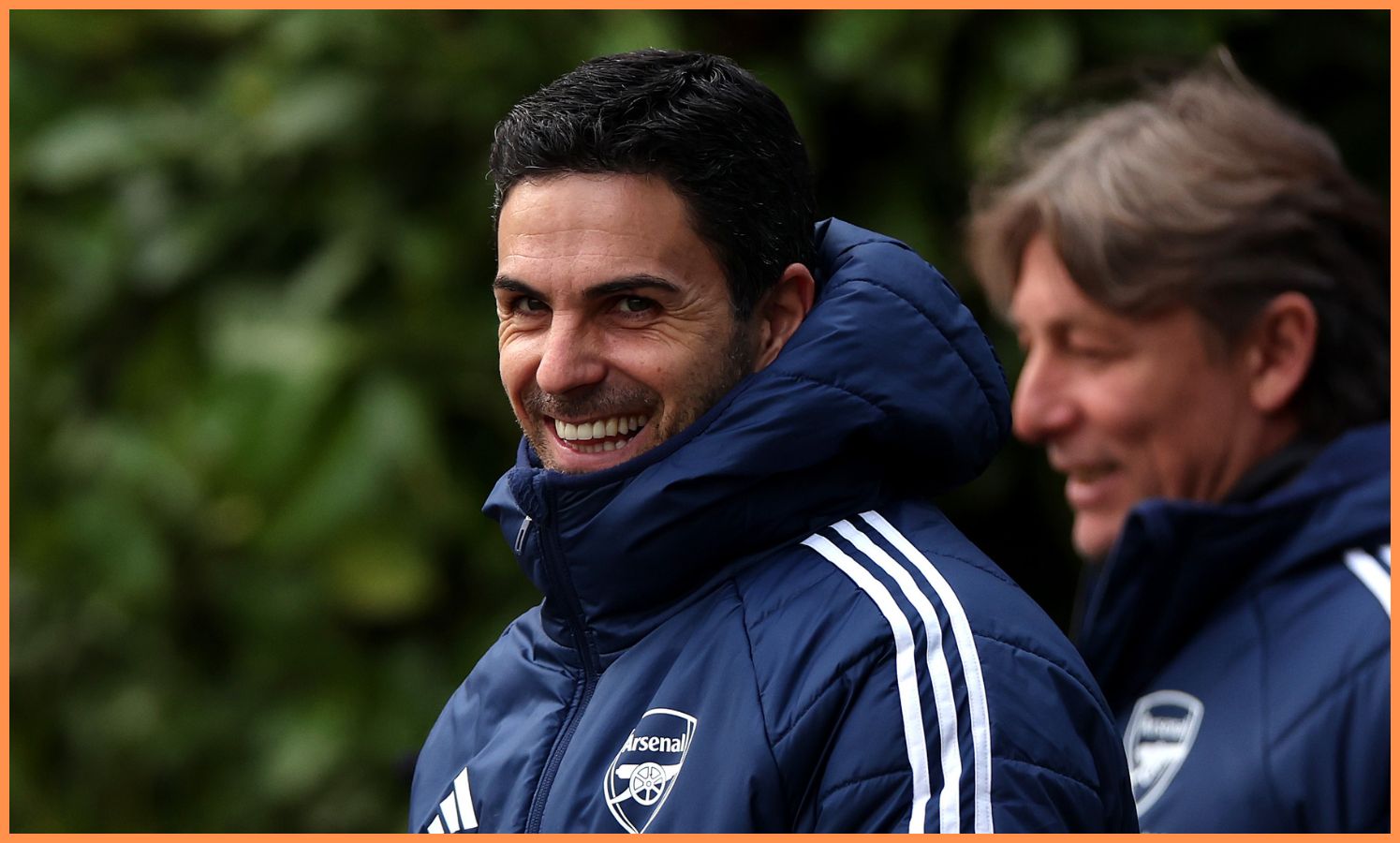
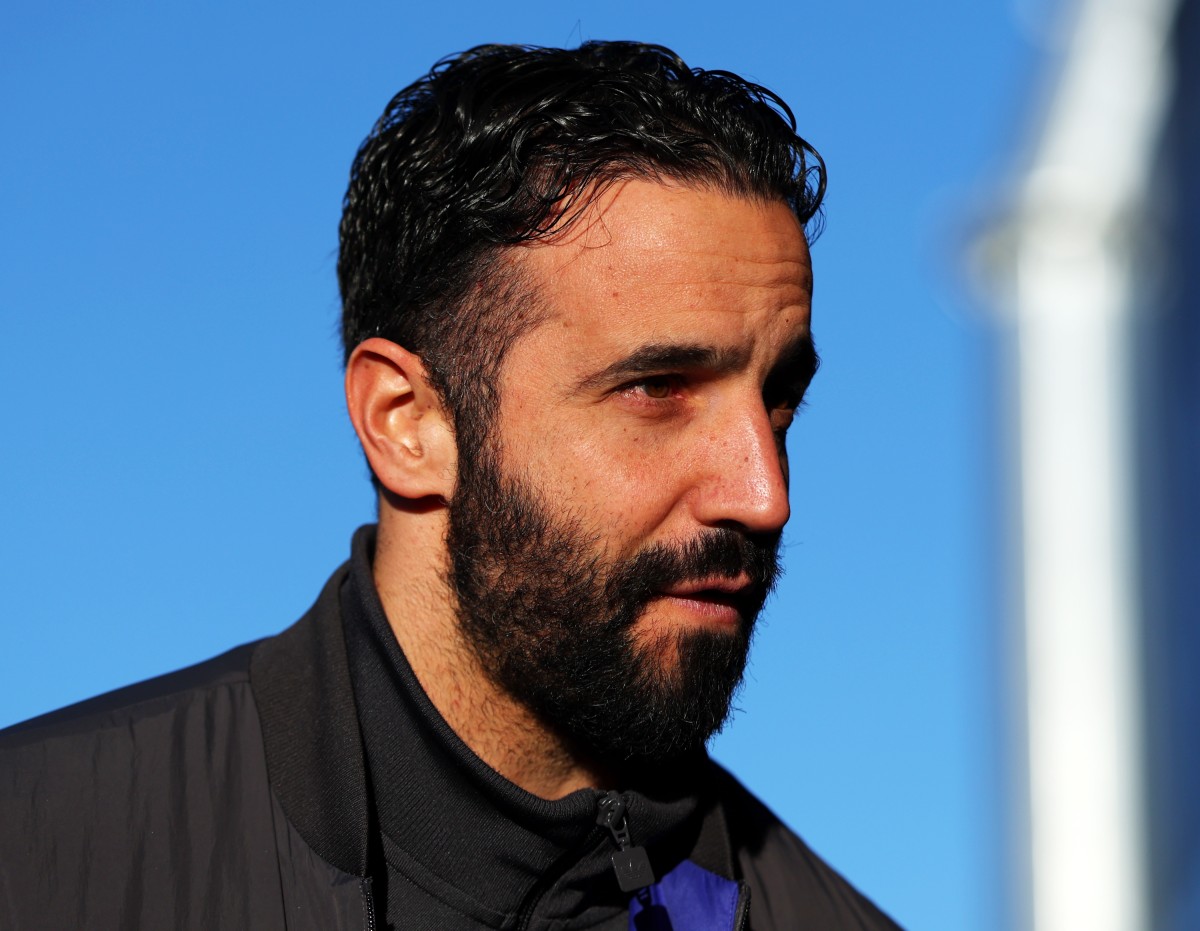
The gamble on Ruben Amorim has proven spectacularly costly for Manchester United. Just over a year after arriving from Sporting Lisbon in November 2024, the Portuguese manager was dismissed, leaving the club to tally the financial wreckage of a failed experiment.
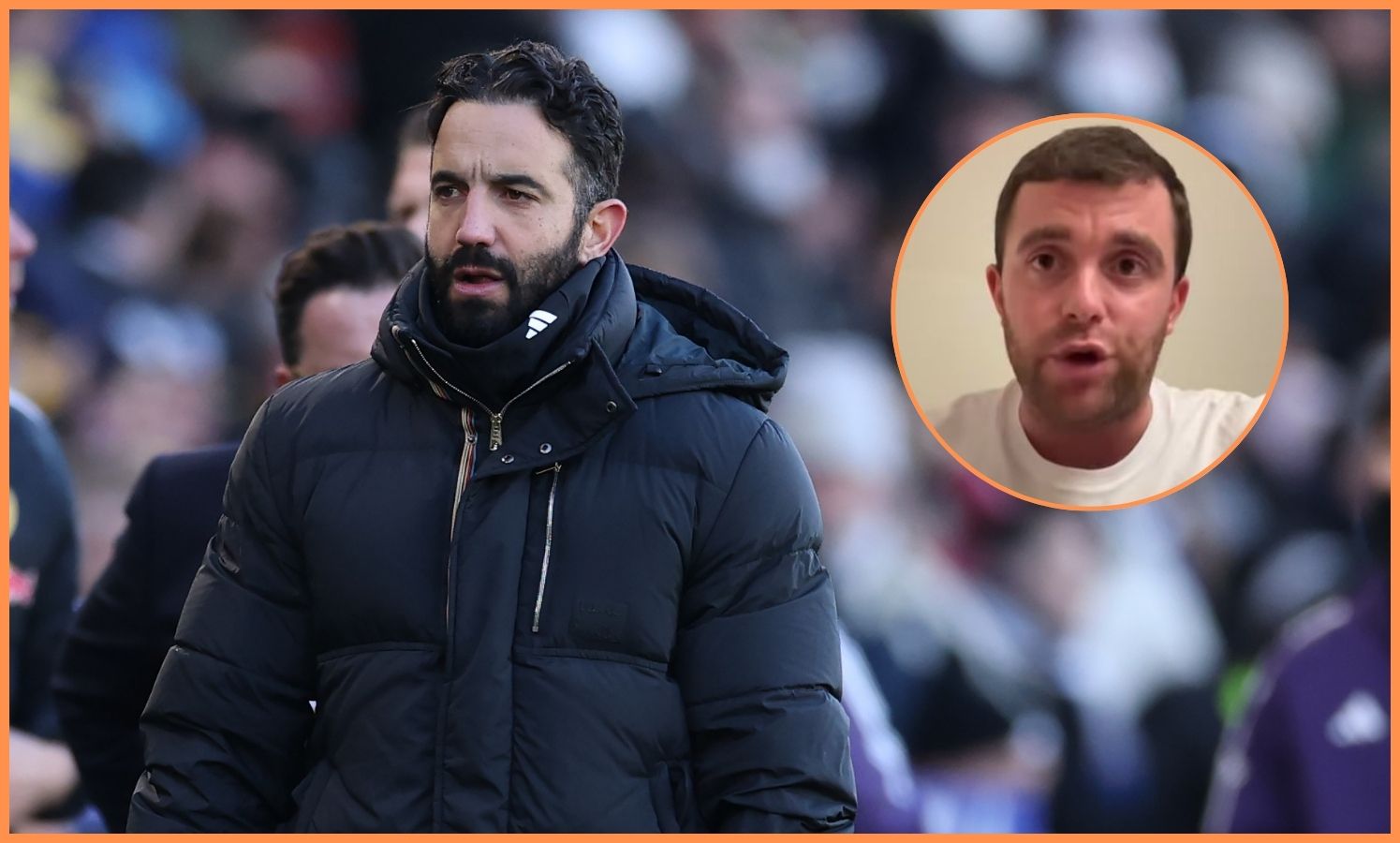
The final accounting, as revealed by transfer expert Fabrizio Romano, paints a stark picture: a total expenditure of £27 million. This figure encompasses not only Amorim’s wages during his tenure, but also the substantial compensation paid to Sporting Lisbon to secure his services, and the hefty £10 million severance package granted to him and his coaching staff upon his departure.
Amorim’s time at Old Trafford was marked by a significant downturn in performance. A comparison of win percentages reveals a troubling trend – his 38.10% success rate significantly lagged behind recent predecessors like Ole Gunnar Solskjaer (54.17%) and Erik ten Hag (54.69%).
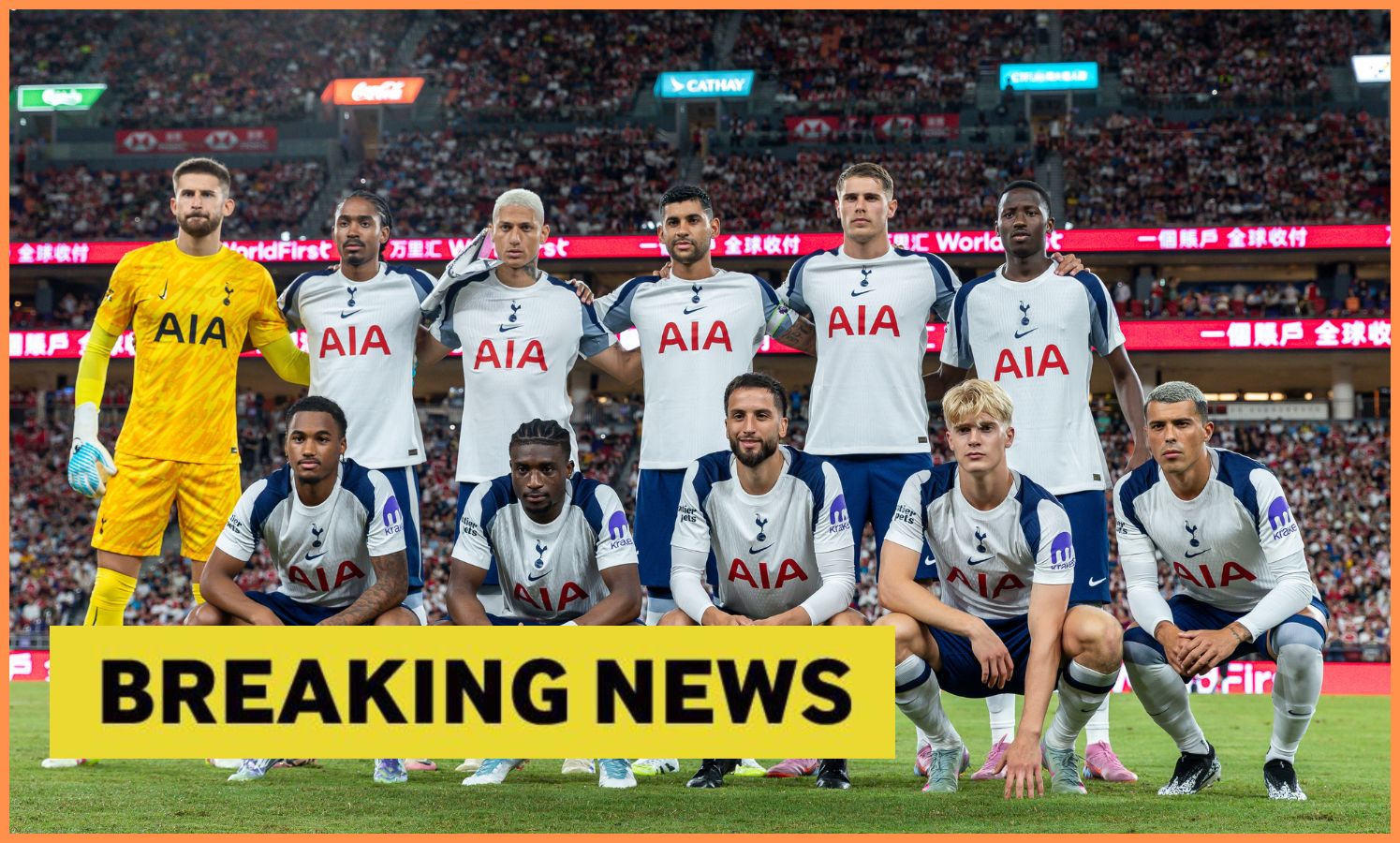
The statistics were mirrored on the pitch. United endured a dismal Premier League campaign, finishing a shocking 15th. This was compounded by a heartbreaking defeat in the Europa League final, losing to a Tottenham Hotspur side that had themselves struggled, finishing 17th in the league.
Beyond the results, the style of play under Amorim lacked inspiration. His rigid adherence to a 3-4-3 formation failed to unlock the potential within the squad, resulting in a bland and uninspiring brand of football that left fans and critics alike underwhelmed.
The swift and expensive failure of the Amorim project underscores the immense pressure on Manchester United to make a shrewd and impactful appointment. Avoiding a repeat of this costly misstep is now paramount as the club searches for a manager capable of restoring its former glory.
Despite initial hopes, Amorim’s reign quickly unraveled. The club now faces the daunting task of rebuilding, not only on the field but also in its financial planning, ensuring future managerial decisions are far more calculated and successful.