A fierce online backlash has erupted, fueled by a petition demanding the deportation of musician Nicki Minaj. The call to action centers on perceived shifts in her public stance and controversial statements made during recent appearances.
The controversy ignited after Minaj publicly praised the Trump administration’s efforts to address religious persecution in Nigeria, a position that drew immediate criticism. Further fueling the fire was her participation at Turning Point USA’s AmericaFest in December, where she reportedly stated, “Boys will be boys, and there’s nothing wrong with that,” during a conversation with TPUSA CEO Erika Kirk.
The petition, launched on Change.org by a 16-year-old named Tristan Hamilton, has rapidly gained traction, amassing over 54,000 signatures. Hamilton argues that deporting Minaj would underscore the accountability of public figures and the importance of consistent compassion.
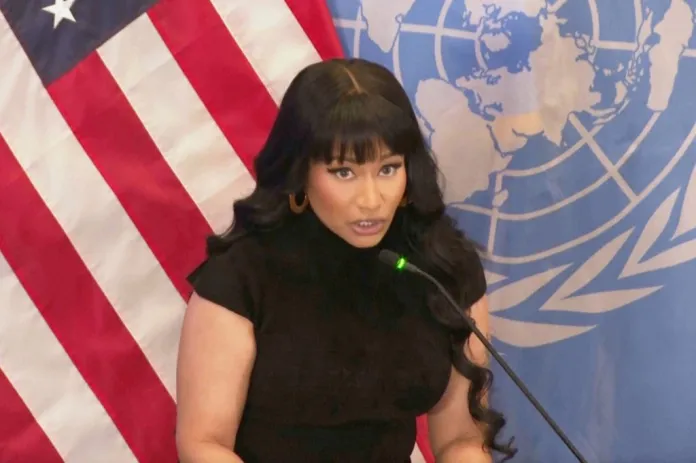
The petition’s language is stark, framing Minaj’s actions as a “fall from grace” and demanding a higher standard of conduct from influential personalities. It suggests her words have a significant impact on diverse communities and warrant serious consequences.
This isn’t the first time calls for Minaj’s deportation have surfaced. A separate petition, initially started in July, recently surpassed 75,000 signatures, though its origins lie in a different dispute – a highly publicized feud with rapper Jay-Z and his entertainment company.
Minaj’s own comments regarding her citizenship add another layer to the debate. In a 2024 TikTok livestream, she acknowledged she isn’t an American citizen, but hinted at the possibility of honorary status given her substantial tax contributions.
Ironically, Minaj’s past statements reveal a previous critical stance towards the Trump administration, particularly regarding immigration policies. She once publicly shared, on a now-deactivated Instagram account, that she arrived in the United States “as an illegal immigrant” as a child.
The debate has sparked a wider conversation about freedom of speech and the right to hold evolving political opinions. Model Amber Rose recently defended Minaj, asserting her friend’s right to her own views and questioning the basis of the outrage.
The intensity of the reaction underscores the power of celebrity influence and the increasingly polarized nature of public discourse. It highlights how quickly perceptions can shift and the potential consequences for those in the public eye.
As the petition continues to gather signatures, the situation remains volatile, raising questions about the boundaries of public accountability and the complexities of navigating political expression in the digital age.


