A wave of discontent has ignited online, manifesting in a petition demanding the deportation of musician Nicki Minaj back to Trinidad. The call for her removal stems from perceptions of “harmful rhetoric” and a perceived shift in her public stance on key social issues.
The controversy began to escalate last year when Minaj publicly commended the Trump administration’s efforts to address the persecution of Christians in Nigeria. This was followed by her participation in Turning Point USA’s AmericaFest in December, further fueling the debate.
At AmericaFest, Minaj engaged in a conversation with TPUSA CEO Erika Kirk, where she reportedly stated, “Boys will be boys, and there’s nothing wrong with that.” This comment, interpreted by many as a retreat from previous support for the LGBT community, became a central point of contention for the petition’s creators.
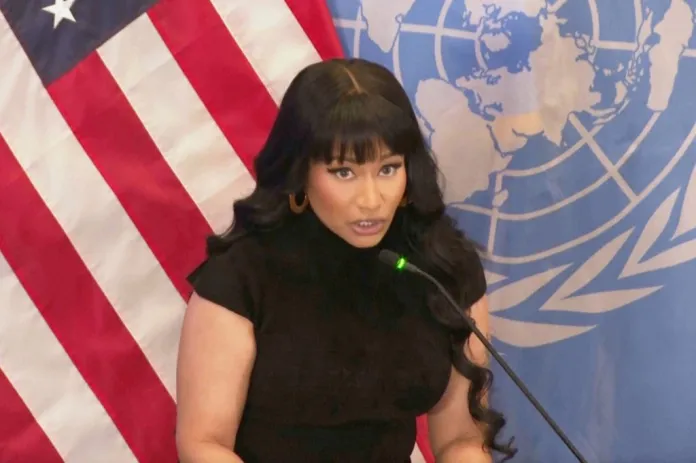
The petition, launched on Change.org by 16-year-old Tristan Hamilton, has rapidly gained traction, amassing over 54,000 signatures. Hamilton argues that deporting Minaj would underscore the accountability of public figures for their words and their impact on diverse communities.
The petition’s language frames the issue as more than just a personal failing, but as a matter of upholding standards of compassion and consistency, particularly for those with significant influence. It suggests a need for public figures to be mindful of the consequences of their statements.
Interestingly, Minaj herself has previously acknowledged her non-citizen status, stating in a 2024 TikTok livestream, “I’m not a citizen of America.” She even hinted at the possibility of being granted “honorary citizenship” based on her substantial tax contributions.
However, her relationship with the United States has been complex. In 2018, she revealed on a now-deactivated Instagram account that she arrived in the country “as an illegal immigrant” at the age of five, a statement that contrasts with her later comments.
This isn’t the first attempt to initiate deportation proceedings against Minaj. A separate petition, launched in July, garnered over 75,000 signatures, but focused on a different grievance – her public feud with rapper Jay-Z and his entertainment company, Roc Nation.
The current uproar has sparked a defense of Minaj from some corners. Model Amber Rose recently voiced her support, asserting that Minaj has “the right to her own political opinion” and questioning the criticism surrounding her conversation with Erika Kirk.
The debate highlights the intense scrutiny faced by celebrities who venture into the political arena, and the potential consequences of expressing views that diverge from prevailing public sentiment. It raises questions about the boundaries of free speech and the expectations placed upon influential figures.
As of now, the Department of Homeland Security has not publicly responded to the petition, leaving the future of Minaj’s status in the United States uncertain. The situation continues to unfold, captivating observers and fueling a broader conversation about accountability and influence.


