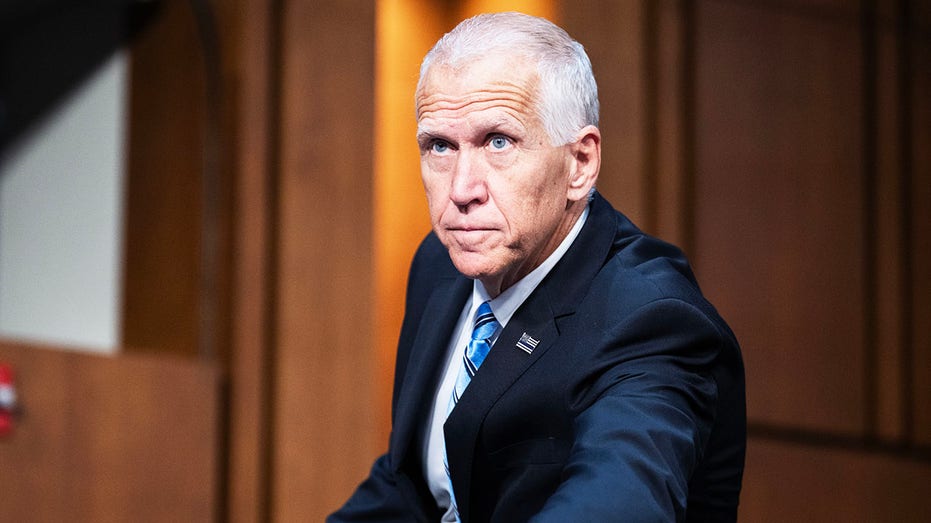
A quiet rebellion is brewing on Capitol Hill, spearheaded by a Republican senator determined to demand accountability from the administration. Senator Thom Tillis of North Carolina has announced he will block all future Department of Homeland Security nominees until Secretary Kristi Noem agrees to testify before the Senate Judiciary Committee.
Tillis’s frustration stems from unanswered requests for Noem’s appearance. The committee chairman has twice formally invited the Secretary to address the panel, once in June and again in September, yet those invitations remain unconfirmed. This lack of responsiveness, Tillis insists, is simply unacceptable.
The senator was careful to clarify that his actions aren’t tied to the recent tragic shooting involving an Immigration and Customs Enforcement agent. While acknowledging the protests that followed, he stated the only exceptions to his hold would be measures directly related to disaster response efforts.
This move arrives at a curious moment, given the Senate’s recent track record of swiftly confirming hundreds of the President’s nominees. It highlights a growing willingness within the Republican party to challenge the administration, even on critical appointments.
Tillis’s defiance isn’t new. Last year, he publicly opposed the President’s signature legislative initiative, citing concerns over proposed cuts to Medicaid. Shortly after announcing his retirement from seeking re-election, he’s demonstrated an increasing independence, unafraid to break with party lines.
His recent rebuke of the administration’s handling of the Greenland situation was particularly blunt. “I’m sick of stupid,” Tillis declared on the Senate floor, arguing that such proposals distract from the President’s genuine accomplishments and calling for those responsible to be dismissed.
Despite this strong stance, Tillis did vote against a resolution aimed at limiting the President’s potential use of military force in Venezuela, revealing a complex and nuanced approach to challenging the administration. He appears willing to draw lines, but not to uniformly oppose the President’s agenda.
The Department of Homeland Security has yet to issue a public response to Tillis’s announcement, leaving the fate of future nominees – and the Secretary’s willingness to engage with the Senate – hanging in the balance. This standoff signals a potential shift in the dynamic between Congress and the executive branch.


