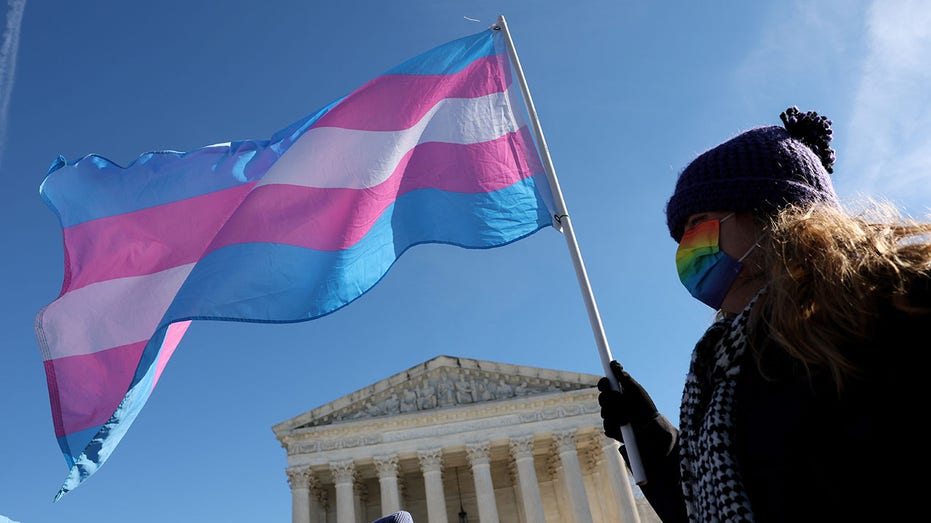
The nation’s highest court is poised to deliver a landmark decision with far-reaching consequences for student athletes and the very definition of fairness in sports. At the heart of the matter: whether Title IX, the federal law prohibiting sex discrimination in education, extends to include transgender and non-binary students.
Idaho and West Virginia were the first states to enact laws restricting transgender athletes’ participation in girls’ and women’s sports, igniting a legal battle that has now reached the Supreme Court. These laws, framed as protections for female athletes, are being challenged as discriminatory and harmful.
Both sides accuse the other of distorting facts, employing misleading language, and fueling divisive narratives. The stakes are immense, impacting not only the rights of transgender athletes but also the future of inclusivity in scholastic competition.
Idaho’s Attorney General argues that women and girls deserve an equal playing field, claiming activists are actively working to sideline them. Supporters of these laws emphasize inherent physical differences between sexes and the need to ensure safety and fair competition.
However, advocates for LGBTQ+ rights contend these laws are a solution in search of a problem, a politically motivated attack on a vulnerable population. They point to successful models of inclusion already implemented by numerous athletic organizations and governing bodies.
The personal toll is palpable. One plaintiff, a young athlete named Pepper-Jackson, poignantly expressed her desire to simply play sports with her friends, to experience the camaraderie and challenge that come with teamwork – a right she feels is being unjustly denied.
While precise numbers are difficult to ascertain, transgender and non-binary student athletes represent a relatively small percentage of the overall athletic population. The NCAA itself reports fewer than 10 transgender athletes among over 500,000 total NCAA competitors.
This issue has already fractured the country and the courts, with previous rulings offering a mixed message. The University of Pennsylvania recently reached a resolution agreement with the Department of Education after an investigation found a violation of Title IX related to the inclusion of a transgender swimmer.
The Supreme Court’s past record on transgender rights is equally complex. In 2020, the court affirmed that federal employment discrimination laws protect gay and transgender employees, stating that discrimination based on sexual orientation or gender identity is inherently tied to sex.
Yet, last year, the court upheld a Tennessee law restricting medical treatment for transgender minors, citing the evolving nature of medical science and deferring to the democratic process. This decision highlighted the court’s reluctance to intervene in complex scientific and policy debates.
Legal experts suggest the court may differentiate between employment discrimination and sports participation, particularly when involving underage athletes. A cautious, limited approach is anticipated, potentially allowing states greater flexibility to legislate on this issue.
The justices may be inclined to allow the democratic process to unfold, observing the practical and legal effects of these laws before issuing sweeping judicial rulings. This approach would allow time for societal norms and legal precedents to evolve.
The cases before the court – *Little v. Hecox* from Idaho and *West Virginia v. B.P.J.* – represent a pivotal moment. The court’s decision, expected by late June, will shape the landscape of transgender rights and the future of inclusivity in American sports for years to come.