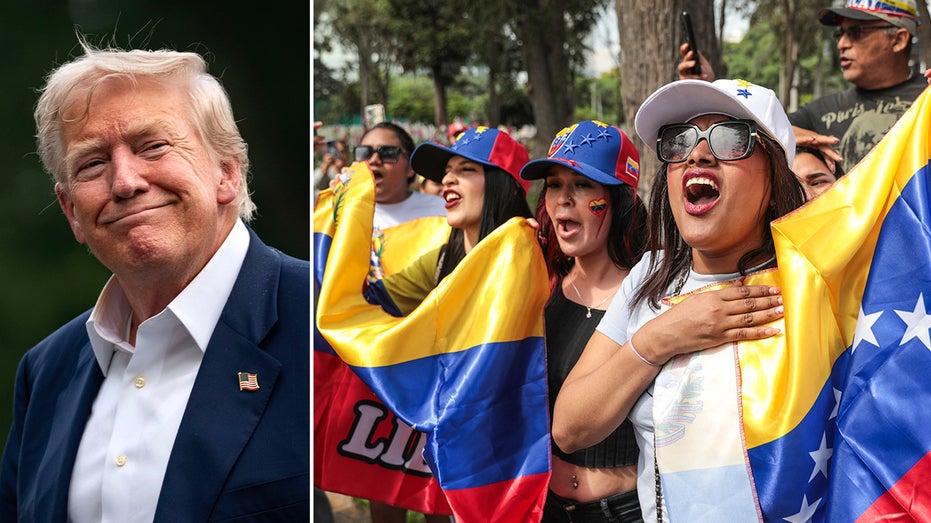
A wave of releases has begun in Venezuela, with political prisoners reportedly being freed after years of confinement. The sudden shift follows a dramatic military operation conducted by the United States just days prior, an event that has fundamentally altered the political landscape of the nation.
The former leader of Venezuela, Nicolás Maduro, and his wife, Cilia Flores, are now in U.S. custody, transported to New York to face federal drug trafficking charges. This action, dubbed “Operation Absolute Resolve,” involved a massive deployment of over 150 aircraft and represented months of meticulous planning by the Pentagon.
The operation wasn’t simply about arrests; it signaled a commitment to overseeing Venezuela’s future. A temporary transition of power is now underway, with the United States asserting its involvement until a stable and just government can be established.
At least eighteen individuals previously imprisoned for political reasons have been released, though a complete accounting of those expected to be freed remains unavailable. The scale of the releases suggests a significant concession by the previous regime in the wake of the U.S. intervention.
The former president, speaking publicly, expressed a pointed message to those now regaining their freedom. He urged them to remember the role the United States played in securing their release, hinting at potential consequences should that gratitude be forgotten.
Beyond the immediate release of prisoners and the capture of Maduro and Flores, the U.S. has indicated a long-term commitment to Venezuela. Plans are being formulated to address the nation’s security, facilitate a political transition, and rebuild its vital oil infrastructure.
The operation represents a bold and decisive move, fundamentally reshaping the trajectory of Venezuela. The coming months will be critical as the nation navigates this unprecedented period of change and seeks to establish a new path forward.