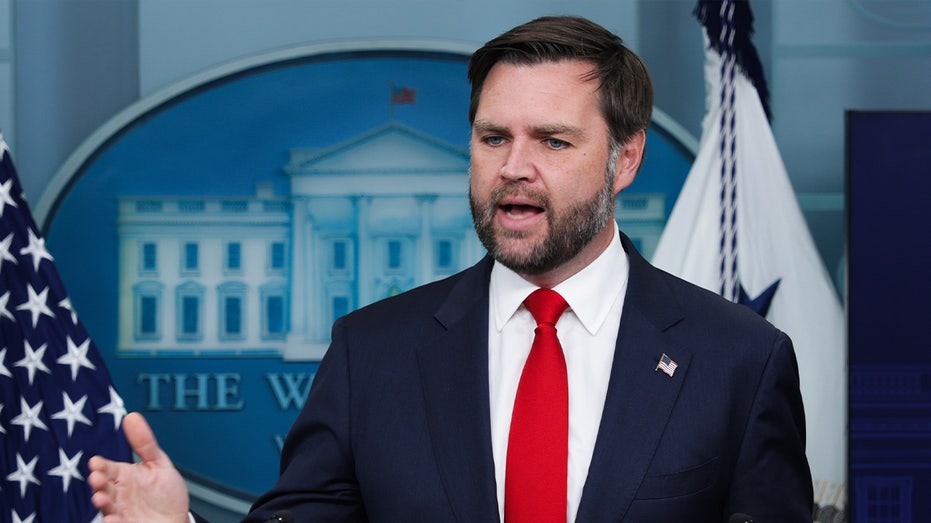
A chilling threat against a high-ranking government official surfaced on a little-known social media platform, triggering a swift response from multiple law enforcement agencies. The disturbing message, advocating for violence, specifically named Vice President JD Vance.
The threat, stark in its simplicity – “It’s simple, we kill JD Vance” – was posted by a user identifying themselves as a radio show host at WUML, a station affiliated with the University of Massachusetts at Lowell. The comment appeared in a conversation sparked by a post questioning the Vice President’s views on international relations.
WUML has long positioned itself as a community voice, broadcasting for over six decades and providing a platform for students and residents alike. The station, entirely student-run and funded by the university, prides itself on its non-commercial, accessible nature.
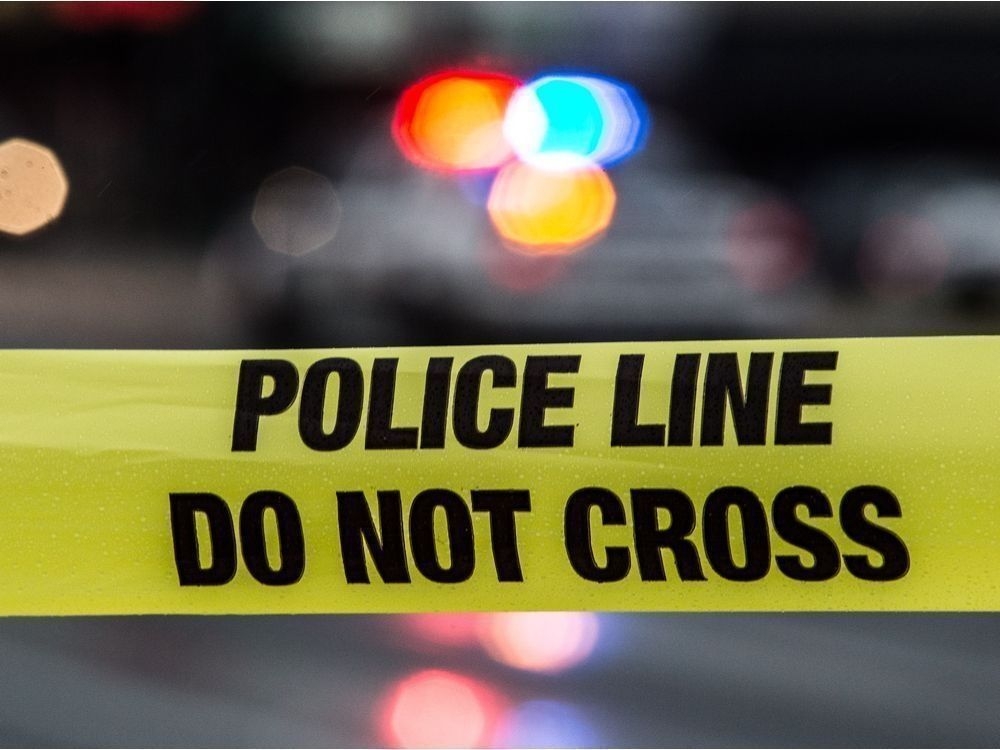
Upon learning of the alarming post, university officials immediately contacted authorities. A coordinated effort involving campus police, the FBI, the Secret Service, and local law enforcement in Haverhill was launched to assess the situation and ensure public safety.
While authorities determined there was no *immediate* danger, the gravity of the threat prompted a thorough investigation. The Secret Service confirmed their awareness of the post, and the FBI collaborated with other agencies in their assessment.
The university swiftly condemned the rhetoric, emphasizing its incompatibility with democratic values and the institution’s principles. They stated that such statements were unacceptable and a serious breach of conduct.
In the wake of the investigation, the individual responsible for the post – identified as a university alumnus – voluntarily resigned from their volunteer position at WUML. The offending message was also removed from their social media account.
The incident underscores the growing concern over violent rhetoric online and the challenges of monitoring and responding to threats in the digital age. It highlights the responsibility of both individuals and institutions to uphold standards of respectful discourse and public safety.