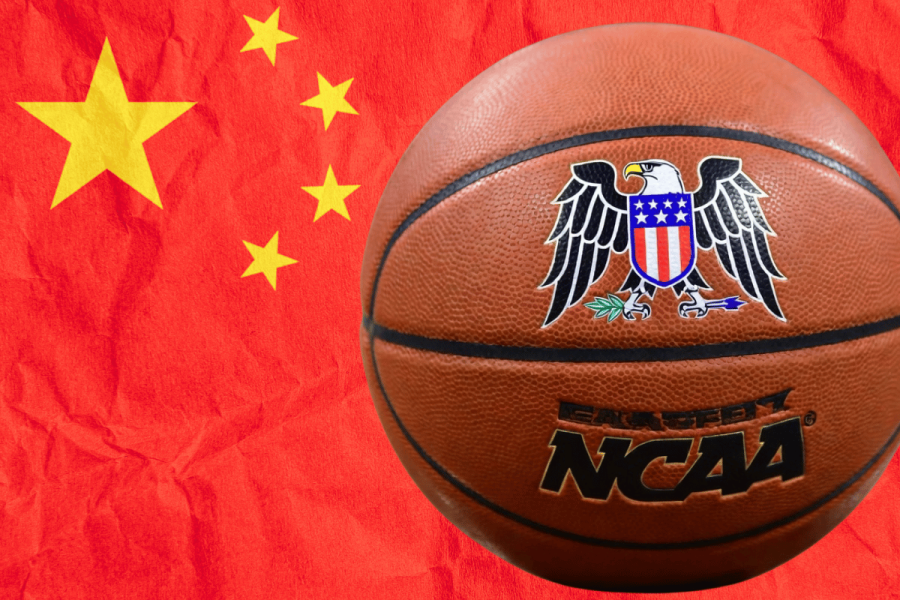
A shadow has fallen over the world of college basketball and professional sports in China, revealing a meticulously crafted scheme to corrupt games from within. Federal prosecutors have unsealed a case detailing an international point-shaving operation, exposing a network of individuals allegedly manipulating outcomes for illicit profit.
The case, involving 26 people, centers around bribery, wire fraud, and conspiracy, all aimed at exploiting the complex world of point spreads – one of the most difficult betting markets to police. While all defendants are presumed innocent until proven guilty, the allegations paint a disturbing picture of calculated deception within the integrity of the games themselves.
U.S. Attorney David Metcalf described the unfolding situation as “the criminal corruption of collegiate athletics,” highlighting the severity of the accusations. The scheme reportedly began in 2022 within China’s Basketball Association, before extending its reach into the heart of American college basketball.
Prosecutors allege that professional bettors identified and recruited Antonio Blakeney, a former NBA and LSU star playing in China, to intentionally underperform. The goal? To capitalize on pre-determined betting lines and reap substantial financial rewards.
The NCAA itself acknowledged tracking similar integrity concerns internally, emphasizing the paramount importance of protecting competition. President Charlie Baker expressed gratitude for law enforcement’s efforts in detecting and combating manipulation within college sports.
Point-shaving thrives in the shadows because of the sheer volume and liquidity of point spread betting. Unlike more obscure wagers, point spreads generate massive activity, making it incredibly difficult to distinguish legitimate fluctuations from deliberate manipulation. The inherent unpredictability of basketball further complicates detection, allowing suspicious activity to blend into the natural ebb and flow of the game.
Even when players allegedly attempted to shave points, the indictment reveals, the results weren’t always predictable. Manipulation doesn’t guarantee a clear or obvious outcome, making it a subtle and challenging crime to uncover.
Integrity monitoring systems act as the first line of defense, but they don’t focus on the size of bets. Instead, they flag abnormal behavior – a sudden surge in wagers from an unusual source, or multiple large bets converging on the same obscure game. These alerts are then passed to investigators for further scrutiny.
The case raises a critical question: why weren’t red flags raised sooner regarding the substantial sums wagered on relatively low-profile games? Experts caution that without a complete understanding of typical betting patterns, it’s impossible to determine if the system failed or functioned as intended.
A significant structural weakness in the current system lies in its geographical limitations. The scheme originated overseas, in leagues that receive limited attention from U.S.-based integrity monitors. The lack of data sharing between international and American operators creates blind spots, allowing manipulation to flourish undetected.
Once the operation moved into U.S.-regulated markets, detection became significantly easier due to robust data sharing and compliance requirements. This underscores the urgent need for international cooperation and standardized monitoring across borders.
The scandal also reignites the debate surrounding NCAA betting restrictions. While some advocate for bans on player proposition bets, this case focused on point spreads – the most fundamental and widely used betting market, effectively impossible to prohibit entirely.
Restricting regulated markets doesn’t eliminate betting; it simply drives it underground. A significant portion of sports wagering still occurs through unregulated channels, generating no integrity alerts and remaining beyond the reach of law enforcement. Legalization, in this view, expands detection as much as opportunity.
This case was uncovered *because* of the vigilance of regulated operators and their connection to integrity monitoring systems. Had the manipulation remained entirely offshore, it might have gone unnoticed.
Moving forward, experts emphasize the need for a proactive approach, prioritizing prevention alongside enforcement. Enhanced cross-border data sharing is crucial, as schemes can easily migrate from international leagues into U.S. markets. Equally important is educating college athletes about the risks and consequences of involvement in betting-related corruption.
The NCAA point-shaving case reveals a fundamental truth about modern sports betting: regulation doesn’t eliminate risk, but it does create visibility. It’s a constant battle to stay ahead of those who seek to exploit the system, and a reminder that the integrity of the game demands unwavering vigilance.


