A startling proposition has emerged from the White House, hinting at a potential shift in international relations. The President has publicly suggested economic repercussions for nations unwilling to support a U.S. claim over Greenland, raising eyebrows and sparking debate across the globe.
The remarks, delivered during a discussion on rural healthcare, unexpectedly veered into the topic of Greenland, a territory currently under Danish sovereignty. This isn’t simply a passing interest; the President has repeatedly voiced his belief that U.S. control of the island is vital for national security.
The threat of tariffs, previously mentioned in the context of European pharmaceutical trade, was explicitly extended to include countries that don’t align with the U.S. position on Greenland. This marks the first time economic coercion has been directly linked to the future of the territory, escalating the situation considerably.
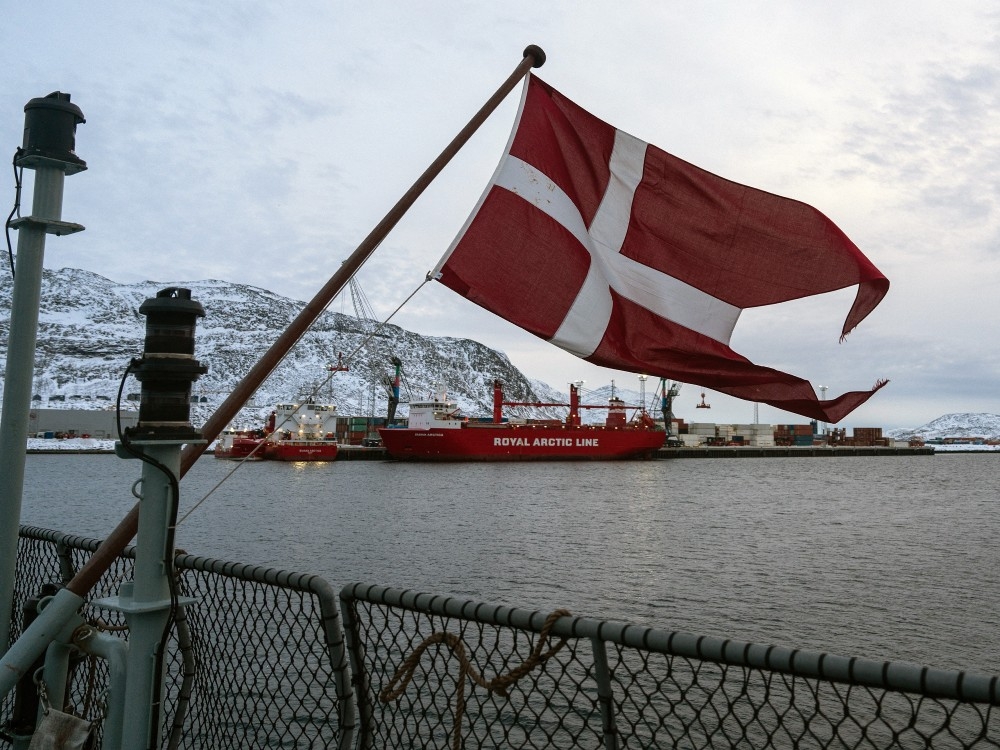
The President’s rationale centers on perceived strategic vulnerabilities, specifically the potential for Chinese and Russian influence in the Arctic region. He argues that only the United States possesses the capability to effectively safeguard Greenland against external interests, drawing a parallel to recent events in Venezuela.
This assertion has been met with firm resistance from both Denmark and Greenland. Leaders from both nations have consistently maintained that Greenland’s future is a matter for its people and the Danish government to decide, rejecting any external claims of control.
Recent diplomatic efforts to bridge the gap proved largely unsuccessful. High-level meetings between Danish and Greenlandic officials with U.S. representatives yielded a “fundamental disagreement” regarding Greenland’s status, despite an agreement to establish a working group for further discussion.
Danish officials openly acknowledged the President’s desire for acquisition, while Greenland’s representatives emphasized the importance of self-determination. The situation remains tense, highlighting a significant divergence in perspectives on sovereignty and international security.
The implications of this unfolding situation are far-reaching, potentially reshaping alliances and raising questions about the limits of economic leverage in international affairs. The world watches closely as this unusual diplomatic challenge continues to develop.