A month before a twelve-year-old boy succumbed to a horrifying fate, his mothers lived with a chilling premonition: he was slipping away, and they would face the consequences. The boy shivered relentlessly, his speech slurred and incomprehensible, his eyes unfocused, his body unable to support its own weight. He appeared, in the starkest terms, to be fading.
The Crown attorney’s question cut through the courtroom’s tense silence. “But you still didn’t call 911?” The response, delivered with unsettling composure, was a simple, “No, miss.” The follow-up was equally stark: “And you still didn’t take him to the hospital?” Again, the same emotionless reply: “No, miss.”
The prosecutor pressed forward, suggesting a desperate motive. If they had sought help, wouldn’t the truth of their actions have been exposed? Wouldn’t the boy, if still able, have revealed the conditions of his captivity? The chilling implication hung in the air: a month later, that voice would be silenced forever.
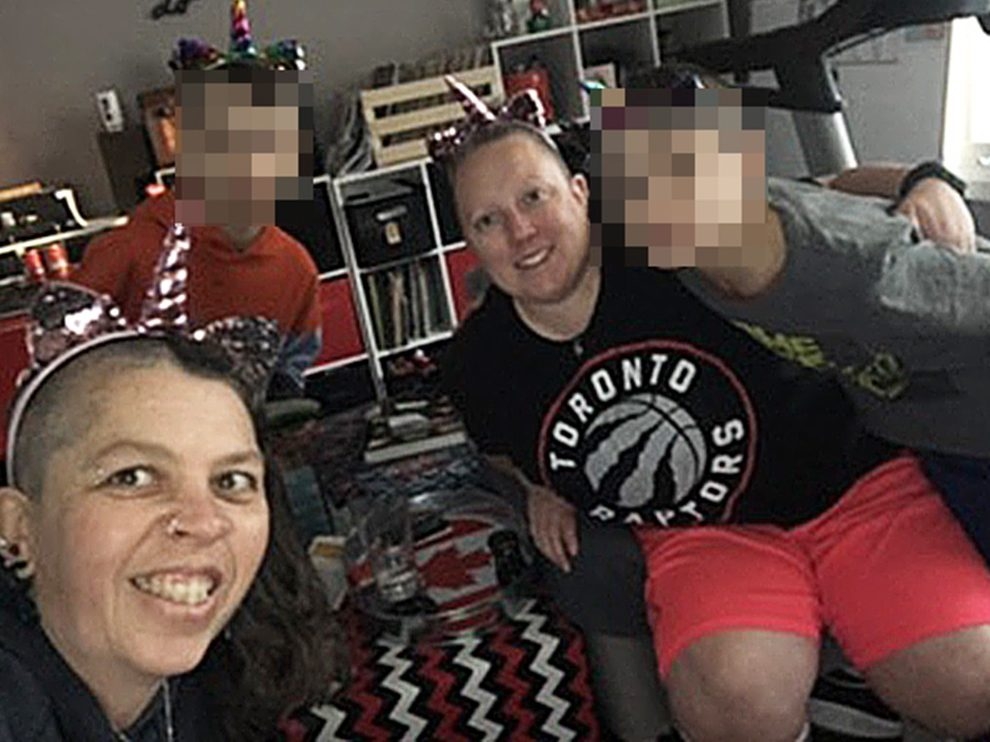
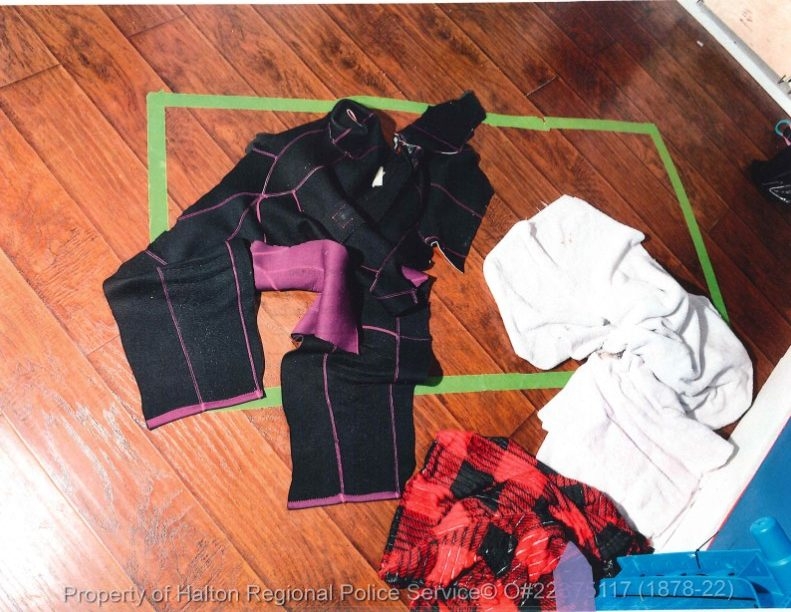
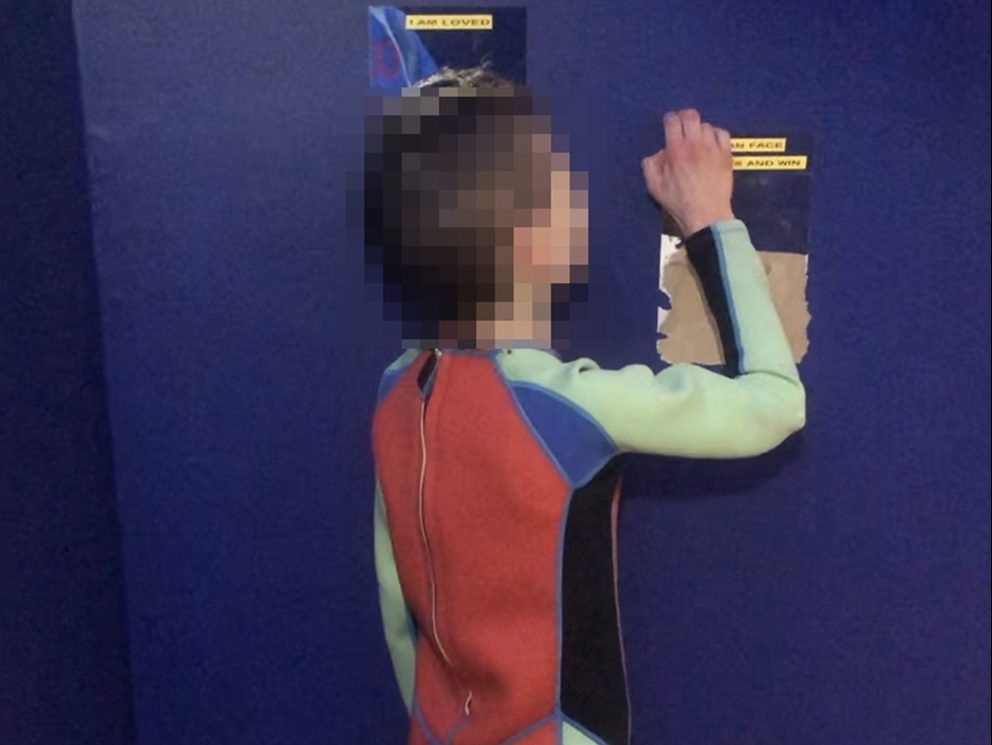
The trial entered its final day, a grueling examination of Becky Hamber and Brandy Cooney, accused of first-degree murder and failing to provide the necessities of life to both of their adopted sons. The boys had arrived in 2017, hopeful for a permanent home. But the older boy was discovered unresponsive on December 21, 2022, in a frigid basement bedroom, clad in a soaking wetsuit, his weight equivalent to that of a six-year-old.
This wasn’t an isolated incident. Just weeks earlier, on November 20th, Cooney had texted Hamber, fearing the boy’s deteriorating condition – his inability to speak clearly, his unfocused gaze. Her message was laced with dread: “He is suddenly going to die and I’m going to jail.” It was a terrifying admission of their escalating crisis.
Hamber attempted to explain the boy’s condition with diagnoses of “binge eating disorder” and “rumination syndrome,” ailments never confirmed by any medical professional. She even suggested he was feigning illness. A hospital was a mere seven-minute drive away, yet Hamber instead turned to online searches for “hypothermia,” ignoring the first and most crucial recommendation: seek immediate medical attention.
The judge himself intervened, acknowledging the obvious. He stated that, based on the evidence, a crisis was undeniably unfolding. The failure to seek help, in that context, was profoundly disturbing.
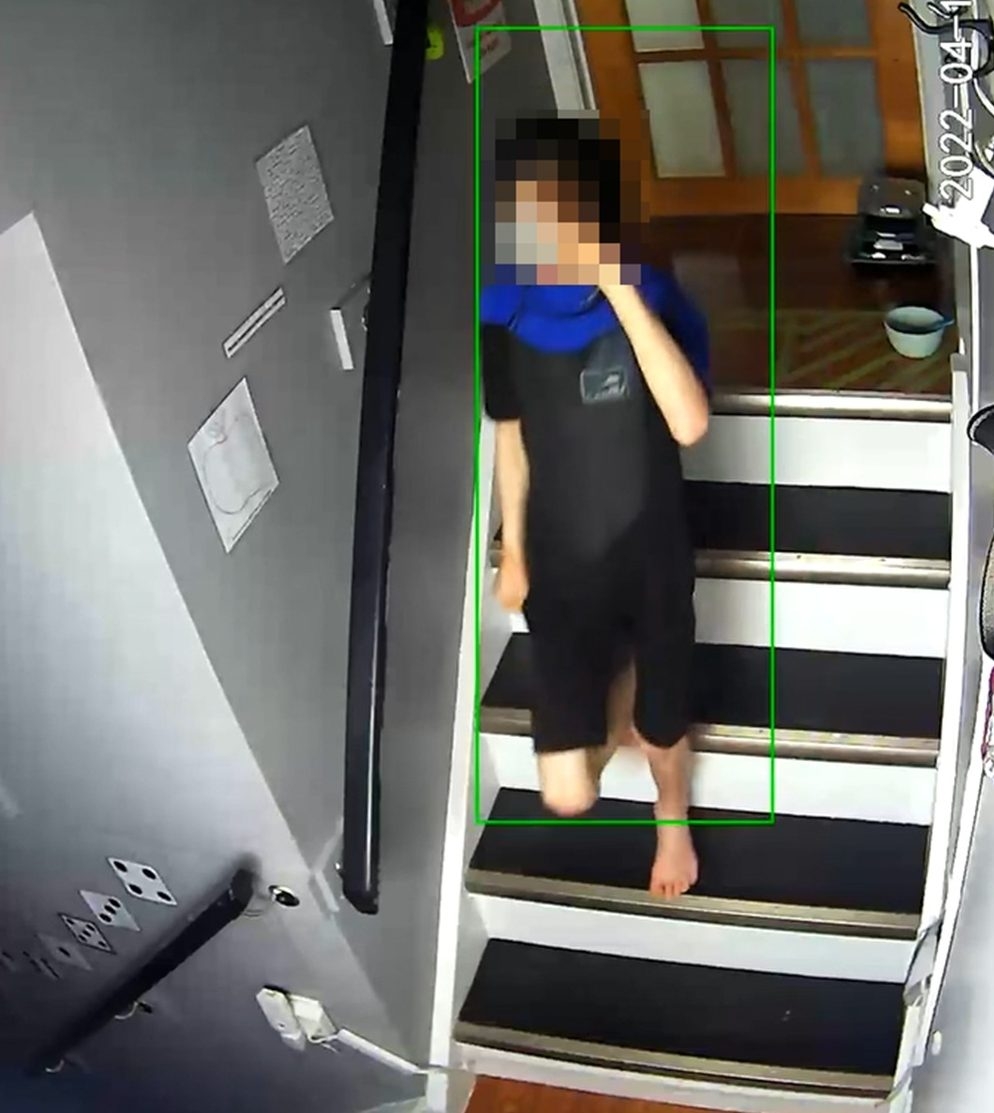
Within a day of fearing the worst, the boy was once again restrained in his wetsuit, subjected to forced stair climbs. On his final night, his blanket was removed, replaced with only a thin towel, leaving him exposed in the cold. When Cooney’s panicked cries echoed through the house, Hamber found the boy unresponsive, lying in a pool of liquid.
The prosecutor’s accusation was direct and damning. Did they only react when faced with the imminent reality of his death, bringing out a heater and attempting resuscitation in warm water – this time, in a hot tub? Hamber vehemently denied these actions.
“On November 20th, you knew that your treatment – the starvation, dehydration, isolation in a cold basement – would lead to this child’s death, didn’t you?” the prosecutor demanded. Hamber’s response remained unwavering: “No, miss.” The prosecutor continued, “And on December 21st, that’s precisely what happened, wasn’t it? You tried to revive him with warm water?” Again, Hamber denied everything.
The prosecutor challenged Hamber’s account of calling 911, questioning why she was outside when first responders arrived, suggesting she was covering the hot tub. A recording of the call revealed a chillingly detached tone. “We can’t resus(citate) him,” Hamber told the operator, casually mentioning the barking dogs. She then offered a weak explanation about needing air.
The prosecutor concluded by accusing Hamber of shifting blame – to Children’s Aid, to doctors, to therapists – anyone but herself. “The only ones responsible for his death are those who starved and kept him captive,” she asserted. Hamber’s defiant response: “I do not agree.” The case now awaits closing submissions, scheduled for March 23rd.