A financial reckoning is underway in Minnesota, as federal officials escalate a fraud investigation into the state’s childcare funding. The situation has reached a critical point, with the state now facing a strict deadline to prove the proper use of billions in taxpayer dollars.
The pressure began building weeks ago when the Department of Health and Human Services (HHS) requested documentation demonstrating that childcare funds were reaching legitimate providers. Despite repeated requests, Minnesota has failed to deliver the necessary evidence, prompting a stern response from HHS leadership.
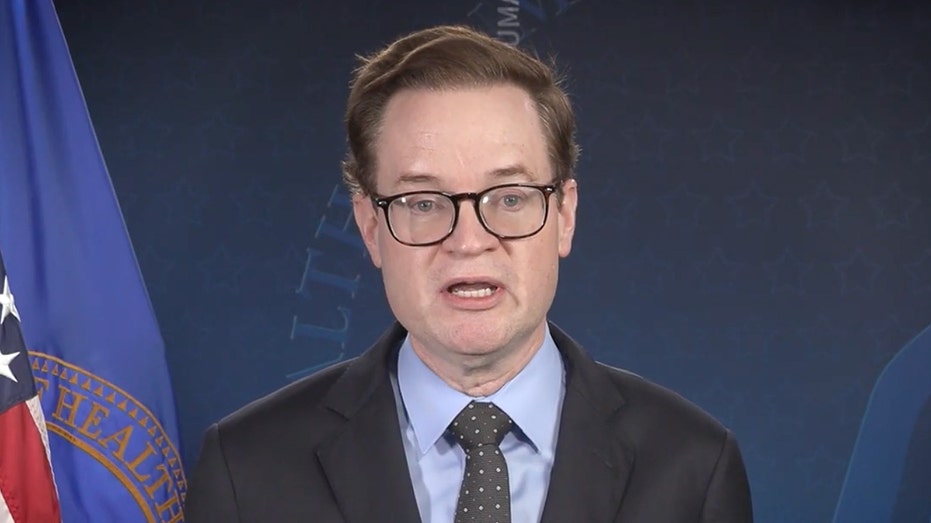
“We are no longer asking, we are demanding,” stated Alex Adams, Assistant Secretary for the Administration for Children and Families (ACF). A “preliminary notice of non-compliance” has been issued, signaling a significant escalation in the federal government’s scrutiny.
Minnesota now has 60 days to provide the requested documents. Jim O’Neill, Deputy Secretary for HHS, warned that a failure to comply will result in “full penalties under the law.” The stakes are immense, as approximately $20 billion flows from HHS to the state annually.
The investigation centers on allegations of widespread fraud within Minnesota’s childcare programs. Officials believe that millions of dollars have been diverted over the past decade by fraudulent daycare centers and unscrupulous actors.
A payment freeze was implemented in December, halting funds to the state as the alleged scheme came to light. Federal officials are determined to recover stolen funds and ensure they reach their intended recipients – the children and families of Minnesota.
The demand for transparency extends to a comprehensive audit of specific daycare centers, including detailed records of attendance, licensing, complaints, and inspections. This audit is intended to reveal the full extent of the alleged fraud and identify those responsible.
Governor Tim Walz’s office has dismissed the investigation as politically motivated, claiming it’s a transparent attempt to undermine public programs. However, federal officials remain resolute in their pursuit of accountability.
Currently, an ACF team is conducting an “on-site monitoring visit” within Minnesota, actively attempting to gather the records the state has so far refused to provide. The investigation is ongoing, with officials vowing to restore integrity to programs designed to support vulnerable populations.
The situation underscores a fundamental shift in federal oversight, moving away from a reliance on state self-regulation towards a more assertive demand for proof and accountability. The outcome of this case could have far-reaching implications for how federal funds are distributed and monitored nationwide.


