A seismic tremor is running through the world of football. A leading German football figure has publicly raised the possibility of a boycott – a complete refusal to participate – in the 2026 World Cup, a tournament traditionally seen as the pinnacle of the sport.
Germany, a nation steeped in footballing history with four World Cup titles, is contemplating this drastic measure due to the increasingly unpredictable actions of one man: Donald Trump. The current US president’s recent behavior has sparked international concern, threatening to destabilize alliances and raise fundamental questions about the suitability of the United States as a host nation.
The immediate catalyst is Trump’s controversial pursuit of acquiring Greenland, a territory belonging to Denmark. This audacious move has ignited a diplomatic crisis, straining relations with a key NATO ally and exposing a willingness to disregard international norms. It’s a situation that has many questioning the political climate surrounding the tournament.
Oke Gottlich, president of St. Pauli and a vice president of the German football federation, believes the time for discussion is now. He directly questioned whether a boycott should be “seriously considered,” drawing parallels to past Olympic boycotts undertaken in protest of political actions. He argues the current threat may even surpass those historical precedents.
Gottlich’s words aren’t isolated. A growing unease is palpable within European football circles, fueled by Trump’s erratic conduct and a fear that the tournament could be overshadowed – or even tainted – by political maneuvering. The question isn’t simply about football anymore; it’s about principles.
While Germany is sounding the alarm, a widespread boycott remains unlikely. France has already signaled its intention to participate, and convincing other major footballing nations to follow suit will be a monumental task. However, the very fact that the conversation is happening is significant.
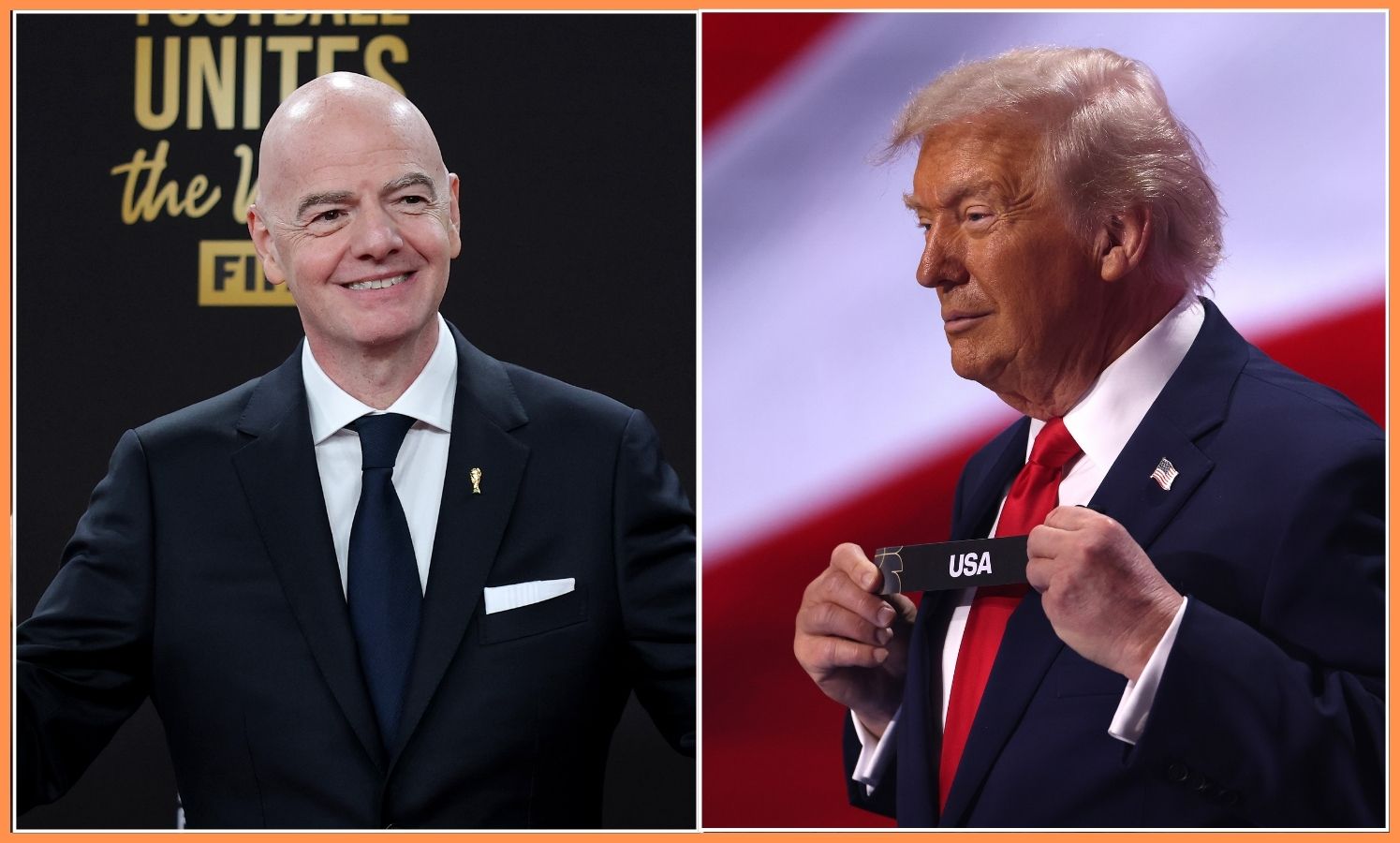
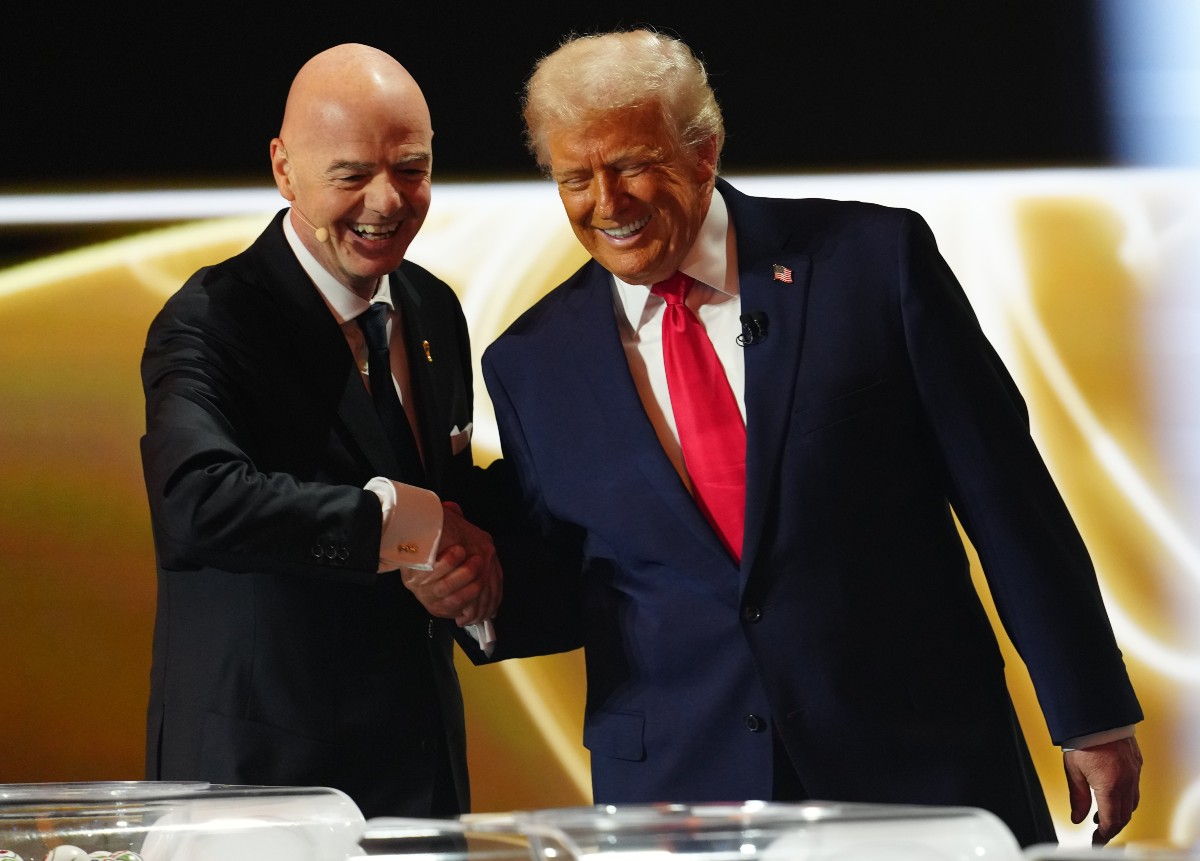
Adding another layer of controversy, FIFA president Gianni Infantino announced that Donald Trump will personally present the World Cup trophy to the winning team. This decision, viewed by many as overtly political, has further inflamed tensions and raised concerns about the neutrality of the event.
Infantino boldly stated, “Nobody can touch this trophy,” implying an unshakeable commitment to the arrangement. But for some, the image of Trump handing over the symbol of global footballing achievement feels less like a celebration and more like a concession – a troubling sign for the future of the game.
The stage is set for a summer of intense competition on the field, but the real battle may be unfolding behind the scenes. The 2026 World Cup is rapidly becoming a focal point for a much larger geopolitical struggle, and the world is watching to see how football will respond.