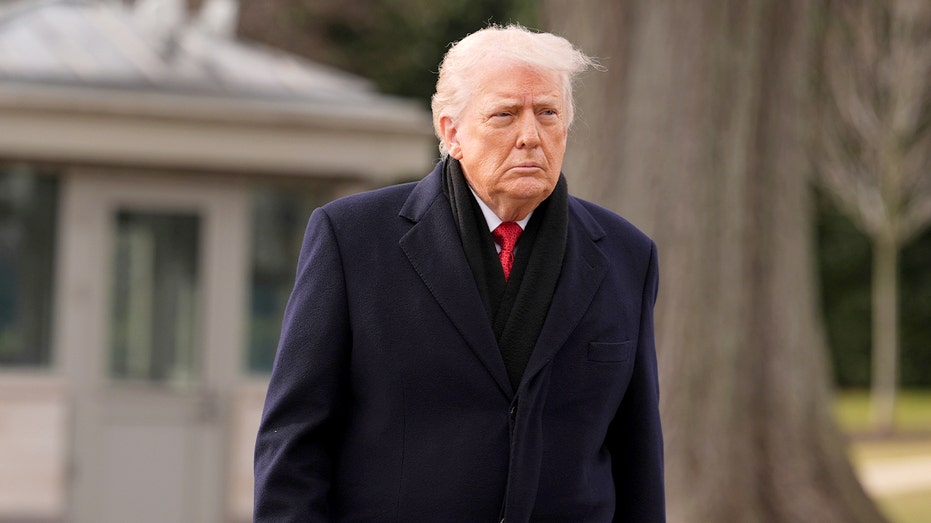
A quiet battle is unfolding within the Senate, a clash between a former president and a deeply ingrained tradition. President Trump has publicly challenged the “blue slip” process, a century-old practice that grants significant influence to individual senators over judicial and U.S. attorney nominees.
The core of the dispute lies in the power the blue slip affords. Senators effectively hold veto power over nominees from their home state by simply withholding the returned slip. This mechanism has, at times, stalled the confirmation of the president’s choices, fueling frustration from the White House.
Last year, two of Trump’s nominees for U.S. attorney – both former legal counsel during his presidency – were blocked through the use of blue slips. This sparked a direct rebuke from the former president, who argued the practice unfairly hinders a Republican president’s ability to fill key positions.
Despite the pressure, the tradition appears remarkably resilient. It’s a tool historically used by both parties to safeguard senatorial influence and ensure nominees align with local interests. Abandoning it could dramatically shift the balance of power within the Senate.
The blue slip isn’t solely a roadblock. Senator Grassley highlighted that his committee alone processed nearly one-fifth of the 417 nominees confirmed this year, demonstrating its role in facilitating confirmations as well. The system isn’t designed to halt progress, but to encourage thoughtful consideration.
Interestingly, even Democratic senators have utilized the blue slip to their advantage. In several instances, they returned slips for Trump’s nominees, particularly in states where Immigration and Customs Enforcement actions faced legal scrutiny, showcasing the practice’s bipartisan application.
The tradition also operates in reverse. Republicans previously leveraged the blue slip to block nominees from a prior administration, strategically positioning themselves to secure judicial appointments once Trump took office. This illustrates the cyclical nature of the process and its potential for strategic maneuvering.
Several Republican senators, including members of the Judiciary Committee, have openly resisted calls to dismantle the blue slip. They argue that eliminating it would erode the power of individual senators and fundamentally damage the Senate’s institutional norms.
Senator Tillis emphasized the potential for lasting harm, stating that abandoning the blue slip would inflict damage on the Senate itself and diminish the influence of individual senators. The debate isn’t simply about a single president’s nominees; it’s about the future of senatorial power.
Senate leadership also appears hesitant to abandon the practice. Some, like Senator Thune, even suggest there’s a stronger desire to preserve the blue slip than to reform the filibuster, highlighting its perceived importance to maintaining a functioning Senate.
Thune recounted how the blue slip process helped secure a Republican-appointed district court judge for South Dakota for the first time in decades, demonstrating its tangible benefits for individual states and senators. The tradition, despite its complexities, continues to serve a purpose for many.
Currently, no judicial nominee is being held up by a blue slip, suggesting the system is functioning as intended. The debate, therefore, remains largely theoretical, a clash of philosophies over the balance of power between the executive and legislative branches.


