A single gunshot shattered the tense calm in Minneapolis Saturday, leaving 37-year-old Alex Jeffrey Pretti dead and igniting a firestorm of outrage. The shooting, carried out by a Border Patrol officer during an immigration enforcement operation, immediately drew condemnation from across the political spectrum, escalating a national debate about federal overreach and the use of force.
According to the Department of Homeland Security, agents attempted to disarm Pretti, who they say was armed with a 9mm handgun and two magazines, and “violently resisted.” Officials painted a stark picture, suggesting Pretti intended to inflict widespread harm. Yet, court records reveal a different narrative: a man with no criminal history and a valid permit to carry a weapon. This discrepancy fueled the growing controversy.
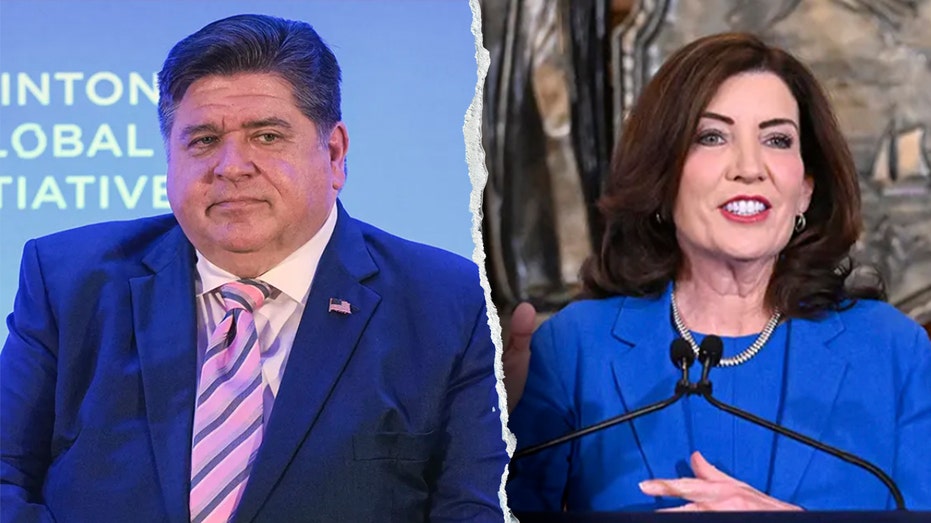
The fallout was swift and fierce. Democratic governors, reacting with alarm, publicly denounced the Trump administration’s actions. Illinois Governor JB Pritzker demanded an immediate halt to ICE operations, calling for a unified response from governors nationwide. The language was stark: “Stop the funding, stop the occupations, stop the killings.”
California’s Gavin Newsom accused President Trump of deliberately provoking violence, claiming the shooting was a direct consequence of the administration’s policies. He pointed to the peaceful protests unfolding in subzero temperatures, arguing they were deliberately undermined by the incident. The accusation hung heavy: the President had “made a shooting happen.”
New York Governor Kathy Hochul echoed the sentiment, labeling the operation “lawless conduct masquerading as enforcement.” Maryland Governor Wes Moore highlighted a disturbing pattern, asserting that ICE agents lacked adequate training and accountability, endangering communities rather than protecting them. The chorus of criticism grew louder with each statement.
Even in states not directly impacted, concerns mounted. Maine Governor Janet Mills requested a meeting with President Trump, demanding the withdrawal of ICE agents from her state, citing fears of escalating violence and the targeting of law-abiding citizens. She called for a congressional hearing and a complete funding freeze for ICE.
Minnesota Governor Tim Walz, at the epicenter of the crisis, described the shooting as “sickening” and demanded an immediate end to the federal operation. He questioned the training of the officers involved, adding to the growing calls for accountability. The situation had reached a breaking point.
Border Patrol officials defended the officer’s actions, stating he was “highly trained” with eight years of experience. They revealed the operation was initially focused on Jose Huerta-Chuma, an individual with a criminal record. However, this explanation did little to quell the rising tide of anger and distrust.
President Trump responded with a post questioning the circumstances surrounding the shooting, focusing on the weapon recovered and the presence of local police. He also raised unsubstantiated claims of widespread monetary fraud in Minnesota and the infiltration of “illegal criminals,” further inflaming the already volatile situation.
Minneapolis Mayor Jacob Frey delivered a scathing rebuke, describing a video of agents “pummeling” a resident before the fatal shot. He pleaded with the administration to prioritize American values over a “political and partisan narrative,” demanding the immediate removal of federal agents. His voice resonated with desperation and a deep sense of betrayal.
Frey’s message was clear: the operation was achieving the opposite of its stated goals, fostering chaos and eroding trust. He implored President Trump to act as a leader, to prioritize peace and safety, and to end the operation before more lives were lost. The city, he insisted, could recover, but only with federal intervention.
The Department of Homeland Security and the FBI have launched a full investigation into the shooting. As the investigation unfolds, the incident serves as a stark reminder of the complex and often fraught relationship between federal authority and local communities, and the devastating consequences when that relationship fractures.



![SOMALIA-LINKED WALMART CHAOS: You Won't BELIEVE What Happened When Asked For Hand Warmers! [VIDEO]](https://www.thegatewaypundit.com/wp-content/uploads/2026/01/untitled-design-16-1200x630.png)