A shadow of distrust hangs over Toronto’s emergency management division. A leaked complaint, penned by a group of current and former staff, alleges a deeply troubling pattern of behavior from its executive director, Joanna Beaven-Desjardins. The accusations, delivered anonymously out of fear of retribution, paint a picture of a leadership style that prioritizes secrecy over transparency.
At the heart of the complaint lies a disturbing claim: the alleged use of the Signal messaging app for official city business. Signal’s defining feature – automatic message deletion – directly clashes with the city’s obligation to maintain public records. This practice, staff allege, was a deliberate attempt to circumvent freedom-of-information laws and shield decisions from public scrutiny.
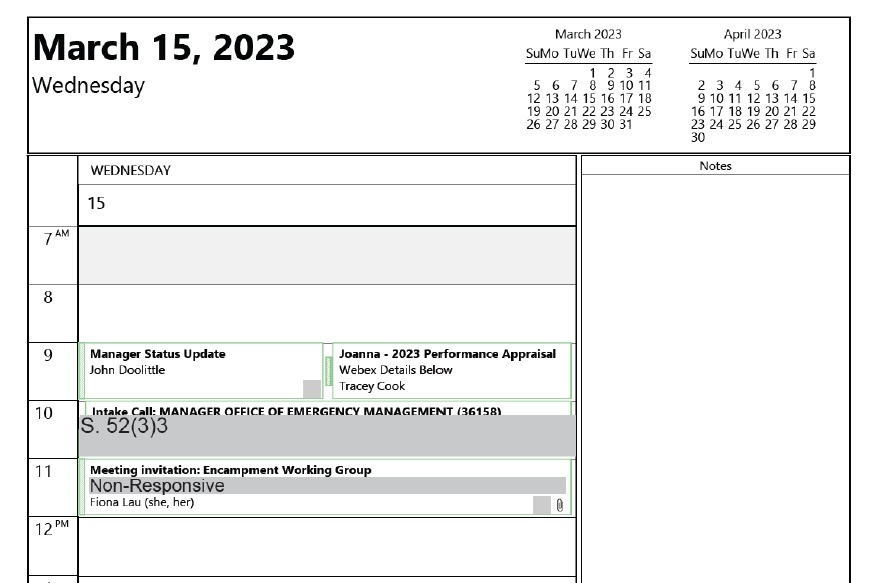
The timing of the complaint is significant. It surfaced shortly after requests were made for Beaven-Desjardins’ appointment calendar and communications with a former deputy city manager. When those requests arrived, city officials stated the records were unavailable – the devices had been wiped clean. A chilling response that fueled suspicions of a cover-up.

The allegations extend beyond record-keeping. The complaint points to a “toxic workplace culture” and questions the circumstances surrounding Beaven-Desjardins’ promotion. A long-standing connection with a former colleague, dating back to police training in 1987, raises concerns about potential conflicts of interest in the appointment process.
Toronto’s emergency management team has faced instability in recent years. Prior to Beaven-Desjardins’ arrival, the director’s position was in constant flux, with multiple acting appointments and one abrupt dismissal during the onset of the COVID-19 pandemic – a dismissal shrouded in silence, with no explanation offered by the city.
The situation took another curious turn with a seemingly innocuous exchange regarding a nickname – “Arizona Cruise.” An email chain between Beaven-Desjardins, her direct report, and a former deputy city manager reveals a lighthearted debate over the origin of the moniker, a detail that feels strangely out of place amidst the serious allegations.

Despite the gravity of the complaint, city hall’s response has been limited. Officials cite “personnel matters” as a reason for their silence, refusing to comment on the specifics of the allegations or provide screenshots of messaging app settings. This lack of transparency only deepens the concerns raised by the anonymous staff.
Experts in freedom of information law warn that the use of disappearing messaging apps is a growing threat to government accountability. These platforms create a “trust-me” environment, where crucial decisions are made in the shadows, beyond the reach of public oversight. The very purpose of transparency laws is undermined when records simply vanish.
The issue isn’t simply about Signal, but a broader trend of governments utilizing technology to evade scrutiny. Records are dismissed as “transitory,” justifications are made to avoid archiving, and the public is left in the dark. The ability to ask for information is rendered meaningless if the information never exists in a retrievable form.
The case highlights a fundamental tension: the right to privacy versus the public’s right to know. While individuals deserve privacy, government officials operate in a sphere of public trust, and their actions must be subject to scrutiny. The use of tools designed for secrecy erodes that trust and threatens the foundations of open government.
The story underscores a critical question: how can accountability be ensured when records disappear, explanations are withheld, and those who speak out fear retaliation? The future of transparency in Toronto – and beyond – may depend on the answer.