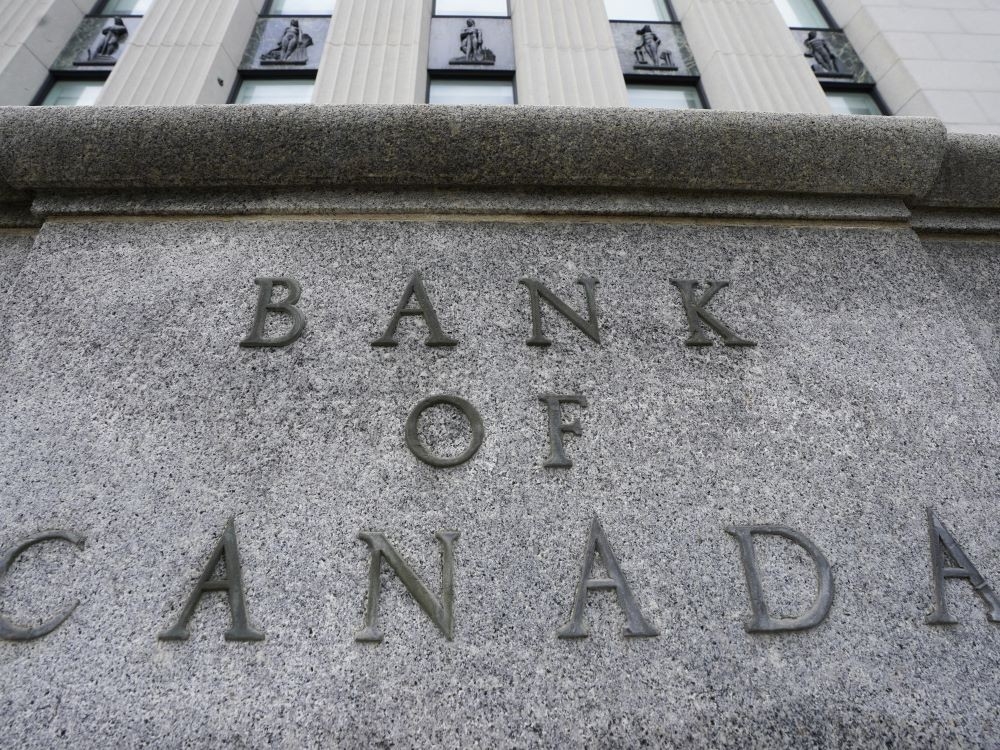
The Bank of Canada maintained its key interest rate at 2.25% this week, a decision anticipated by many economists, but shadowed by a growing sense of global economic unease.
Governor Tiff Macklem acknowledged the bank’s overall economic outlook remains consistent with projections made in October, yet a critical caveat was introduced: the level of uncertainty surrounding that forecast has dramatically increased.
This heightened uncertainty stems from a volatile international landscape, specifically unpredictable U.S. trade policies and escalating geopolitical tensions. The upcoming review of the Canada-U.S.-Mexico agreement looms large, adding another layer of complexity.
The impact of existing U.S. tariffs is already being felt, demonstrably slowing business investment and initially weakening employment figures. While recent months have shown some labor market recovery, the long-term effects remain unclear.
Macklem cautioned that adapting to this new trade environment could prove more challenging than anticipated. A potential deepening of trade impacts could lead to further weakening in the labor market and a subsequent decline in household spending.
Financial markets also remain vulnerable. A resurgence of volatility could trigger tighter financial conditions, further complicating the economic picture and making it exceptionally difficult to predict the timing of any future interest rate adjustments.
Looking ahead, the Bank of Canada anticipates modest GDP growth of 1.1% in 2026 and 1.5% in 2027. This projection assumes businesses will gradually adjust to the new trade realities, mirroring the October forecast.
Inflation is expected to remain near the bank’s 2% target. This stability is predicated on the idea that tariff-related cost increases will be counterbalanced by excess supply resulting from a slower-growing economy.