A shadow of war hangs over the Middle East as Iran urgently reaches out to regional powers, seeking support amidst escalating tensions with the United States. This diplomatic flurry unfolds as Iran’s economy spirals, its currency plummeting to a record low – a devastating 1.6 million rials to the dollar – fueled by weeks of nationwide protests and a brutal government response.
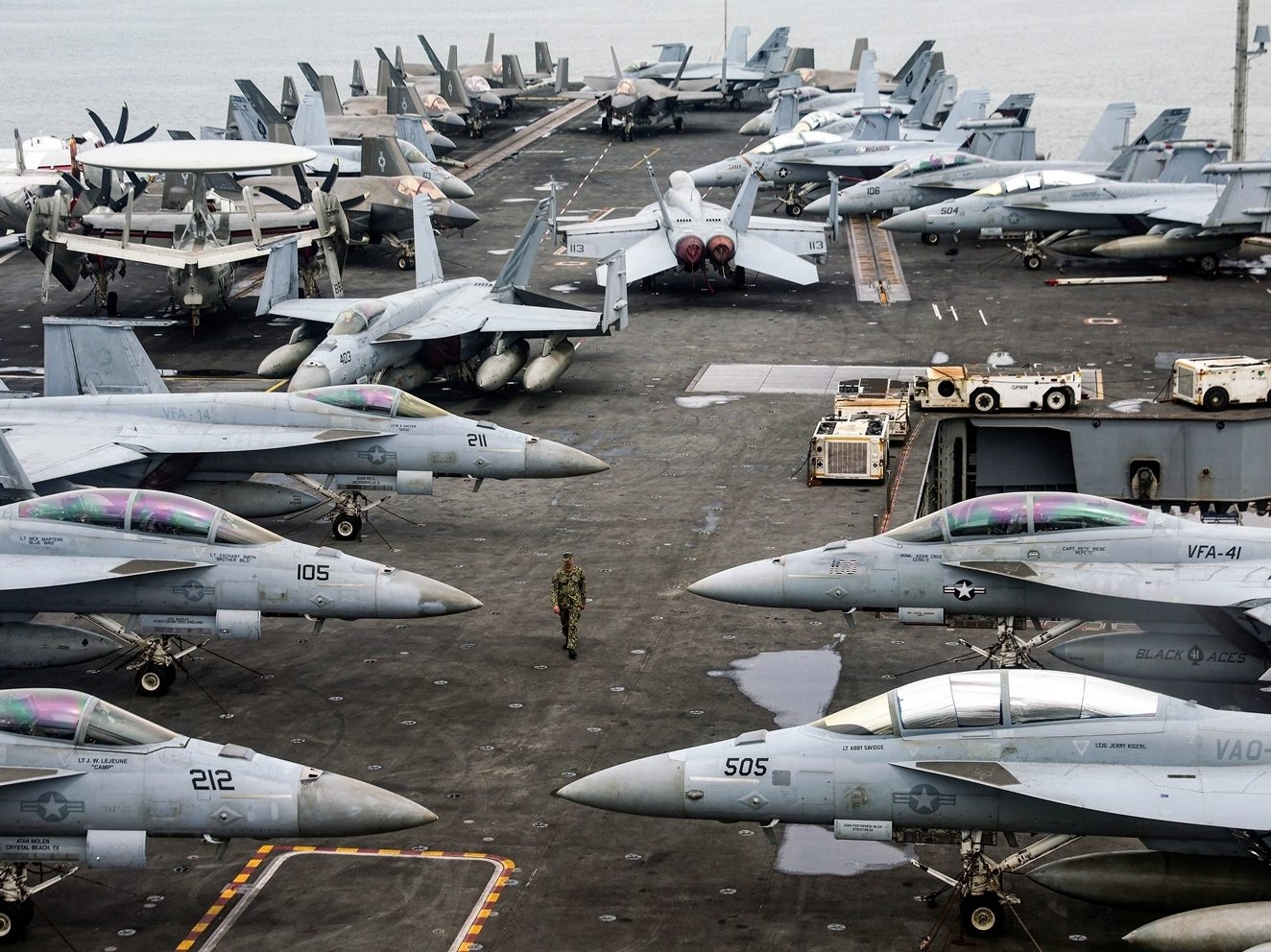
The United States has demonstrably shifted military might into the region, deploying the USS Abraham Lincoln and a fleet of guided missile destroyers. This positioning allows for potential strikes from the sea, a clear signal of intent that has heightened anxieties across the globe. Yet, key regional players, Saudi Arabia and the United Arab Emirates, have publicly stated they will not permit their airspace to be used in any potential attack on Iran.
The economic crisis gripping Iran ignited the initial protests, but they quickly evolved into a widespread challenge to the ruling theocracy. The rial’s dramatic fall – from approximately 32,000 to $1 just a decade ago – has left citizens desperate and fearful. A near-total internet blackout, imposed by the government three weeks ago, has only amplified the sense of isolation and dread.
The exact course of action President Trump will take remains uncertain, though he has repeatedly threatened force in response to the violent suppression of demonstrators and the possibility of mass executions. Activists on the ground paint a harrowing picture, reporting a staggering death toll – at least 6,373 people killed in the unrest, including hundreds of children.
Simultaneously, Trump has signaled a desire for renewed negotiations with Tehran regarding its nuclear program, demanding a “fair and equitable deal” and explicitly stating “NO NUCLEAR WEAPONS.” He warned that “Time is running out,” adding a sense of urgency to the already volatile situation.
Iran responded forcefully to Trump’s statements, asserting its readiness for dialogue based on mutual respect, but issuing a stark warning: “IF PUSHED, IT WILL DEFEND ITSELF AND RESPOND LIKE NEVER BEFORE!” This defiant stance underscores the high stakes and the potential for miscalculation.
Behind the scenes, rapid diplomatic efforts are underway. Egypt’s Foreign Ministry is actively mediating between Iranian and U.S. officials, striving to de-escalate tensions and prevent further instability. Turkey shares similar concerns, fearing that intervention could trigger a refugee crisis and destabilize the region.
Saudi Arabia’s Crown Prince Mohammed bin Salman has assured Iran that the kingdom will not allow its territory or airspace to be used for any military action against it. This pledge, echoed by the UAE, is a significant development, given both nations host substantial U.S. military assets. Iran has also engaged in talks with Qatar, home to a major U.S. base.
Iranian Foreign Minister Abbas Araghchi emphasized that diplomacy cannot flourish under the shadow of military threats. He called for an end to “excessive demands and the raising of illogical issues” as a prerequisite for meaningful negotiations. The message is clear: dialogue requires a shift away from confrontation.
Information, though heavily restricted, continues to emerge from Iran, largely through Starlink satellite connections. Activists are painstakingly documenting the casualties, attempting to quantify the scale of the tragedy. Their findings reveal a death toll exceeding any previous unrest in Iran in decades, evoking memories of the tumultuous 1979 Islamic Revolution.
The protests, initially sparked by the economic collapse, were met with a brutal crackdown. Iranians are now grappling with grief, anger, and anxiety, witnessing footage of protesters being killed and fearing what the future holds. One teacher in Tehran expressed a profound sense of failure, lamenting that decades of education had seemingly failed to instill values that could prevent such bloodshed.
The Iranian government, now consistently labeling protesters as “terrorists” in its state-run media, maintains a significantly lower official death toll of 3,117. However, this figure is widely disputed, given the government’s history of underreporting or concealing fatalities during periods of unrest. The true cost of the crackdown remains shrouded in secrecy and fear.