The weight of a single decision. A moment of unimaginable consequence. A young mother faced court, haunted by a day in September that irrevocably shattered her life and the lives of those around her.
The Crown argued for a harsh sentence – imprisonment – following the tragic drowning of her five-year-old daughter in a stranger’s backyard pool. The circumstances were stark: a date, a brief lapse in judgment, and a child left unsupervised, drawn to the allure of water.
Her lawyer pleaded for a different path, a conditional sentence served at home. Not to diminish the gravity of the loss, but to acknowledge the mother’s role as the sole caregiver to two other young children, and the devastating impact incarceration would have on their fragile stability.
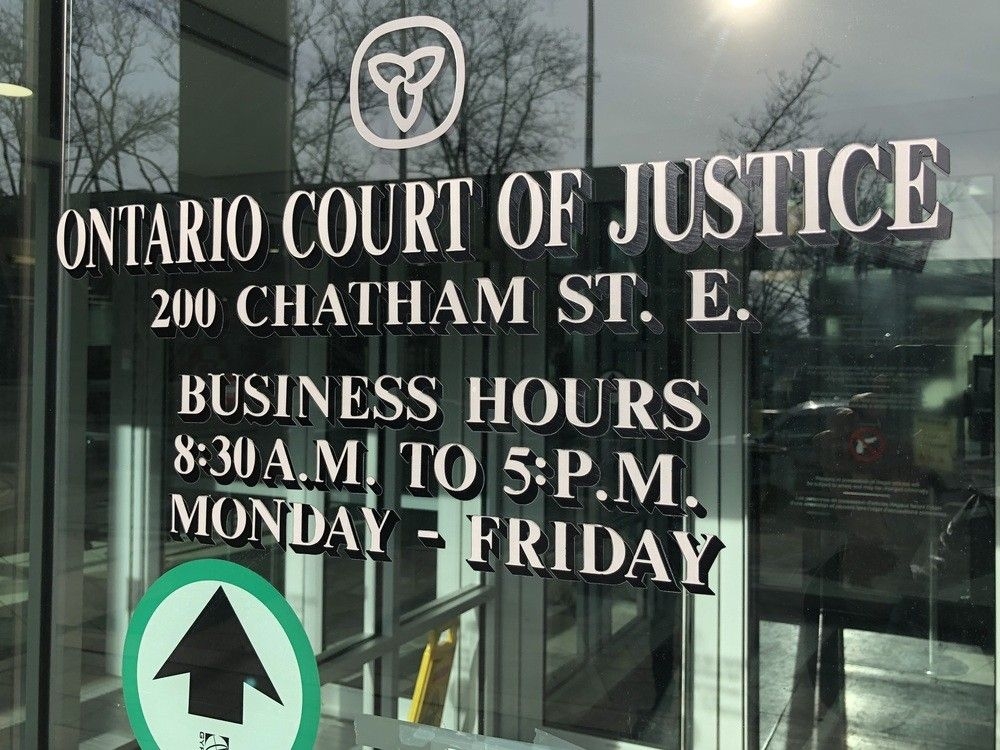
The details unfolded in court, a heartbreaking narrative of a mother who had met a man online and, seeking connection, brought her three children – ages five, three, and two – to his home. A moment of intimacy, a few minutes of inattention, and a life was lost.
The five-year-old, who may have been on the autism spectrum and had a history of wandering, had briefly been discovered attempting to reach the pool. The mother secured the door, believing she had averted disaster, but the inevitable occurred when she returned to the bedroom.
A frantic search, a silent pool, a son’s desperate cries. The mother found the stroller moved, her daughter missing, and then, the horrifying realization. Despite desperate attempts at resuscitation, the little girl was pronounced dead at the hospital.
The prosecution painted a picture of a mother who prioritized her own desires over her child’s safety, a gross betrayal of trust. The defense countered with a plea for understanding, characterizing the act as a devastating lapse in judgment, not malicious intent.
The court learned of prior concerns raised by the Children’s Aid Society regarding the mother’s supervision of her daughter, a history of wandering, and a safety plan that was tragically disregarded. The mother was acutely aware of the risks, the prosecutor emphasized, making her actions all the more egregious.
The courtroom was filled with grief. The girl’s father, seated in the front row, wept openly as the details of that fateful day were recounted. A dozen family members bore witness to the unfolding tragedy, their faces etched with sorrow.
In a letter to the judge, the mother expressed profound remorse. “I wish I could go back in time,” she wrote, consumed by regret. “There is no greater punishment for me than to have to keep living with the daily punishment that I failed her.”
The victim impact statements were particularly poignant. The grandmother described a child “so full of energy,” while the father spoke of crippling anxiety and sleepless nights, haunted by the fear of losing another child. His world, he said, was now defined by panic and dread.
The prosecutor acknowledged mitigating factors – the guilty plea, efforts at counseling – but argued that a conditional sentence would be insufficient. A penitentiary sentence of three to five years was requested, a reflection of the severity of the negligence.
The defense sought an 18-month conditional sentence, emphasizing the mother’s continued care for her two surviving sons and the devastating impact her absence would have on their lives. A jail sentence, they argued, would serve no purpose.
The judge now faces a difficult decision, weighing the need for accountability against the realities of a shattered family. The fate of a mother, and the future of her children, hangs in the balance, a stark reminder of the fragility of life and the enduring power of regret.
The sentencing decision is expected in March, leaving a family suspended in anguish, awaiting a resolution that will never truly bring closure.