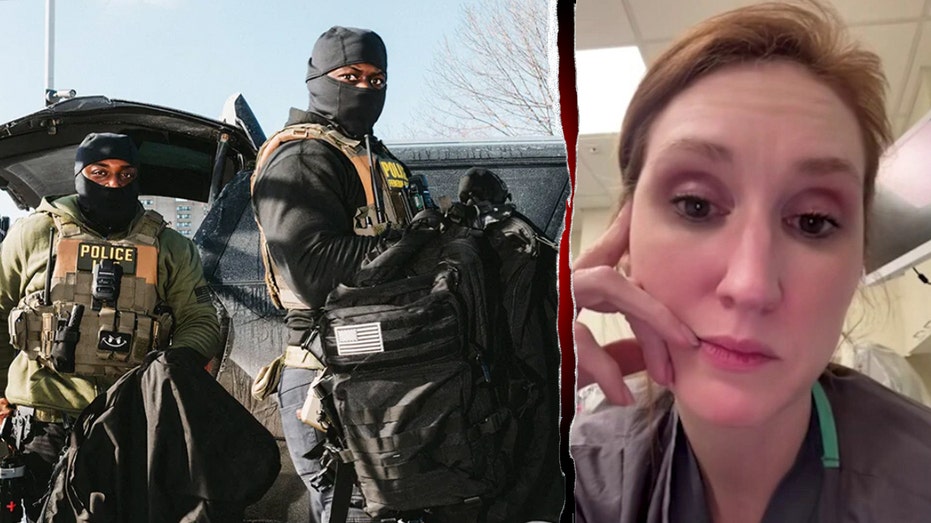
A former Virginia Commonwealth University (VCU) nurse is now facing a criminal investigation following the widespread circulation of her TikTok videos. Malinda Cook lost her job Tuesday evening after a swift inquiry by VCU Health, triggered by content that rapidly went viral.
The controversy began when a compilation of three of Cook’s TikTok posts was shared on X, igniting a public outcry. The videos contained explicit instructions and encouragement for healthcare workers to target Immigration and Customs Enforcement (ICE) agents.
In one particularly alarming video, Cook urged fellow medical professionals to utilize an anti-paralytic drug against ICE agents, framing it as a “sabotage tactic” or a means of intimidation. She suggested filling syringes with saline or succinylcholine, a potent muscle relaxant.
Succinylcholine induces rapid and temporary paralysis, typically lasting between four and six minutes. Cook’s instructions were accompanied by the hashtags "#ice #resistance #sabotage," revealing her intent.
Beyond the use of pharmaceuticals, Cook also proposed unconventional methods of disruption. She detailed a plan to create a mixture of poison ivy and poison oak, advocating for its application to opponents using a water gun, specifically targeting faces and hands.
Her suggestions extended to personal interactions, advising single women to seek out ICE agents on dating apps. Cook proposed subtly sabotaging their meals with laxatives, aiming for temporary incapacitation without causing serious harm.
Cook didn’t stop at individual actions, but also encouraged targeting the support systems of ICE agents. She called for identifying locations where agents frequented – hotels, restaurants – and disrupting their routines through indirect means.
The overarching message throughout her videos was a call to action, a desire to inflict discomfort and disruption on those involved with ICE. She repeatedly emphasized a goal of making their lives “miserable.”
One medical ethics organization sharply criticized the situation, stating that Cook’s termination was only a starting point. They pointed to a perceived pattern of ideological extremism within VCU’s medical education programs.
The organization’s executive director argued that VCU Health’s past embrace of “extreme identity politics” had fostered an environment where radical activism could flourish, ultimately compromising patient safety and trust.
The concern raised is that prioritizing ideology over professional training can result in healthcare providers who are more focused on activism than on providing competent and impartial medical care.
The incident has sparked a broader conversation about the intersection of personal beliefs and professional responsibility within the healthcare field, and the potential consequences of unchecked radicalization.
Authorities are now actively investigating Cook’s actions, and the full extent of the legal repercussions she may face remains to be seen. The case serves as a stark reminder of the potential for online rhetoric to translate into real-world harm.