Fifty-eight dogs lived in squalor, surrounded by layers of feces and the overwhelming stench of ammonia. This was the scene discovered at a Stoney Creek home last summer, a situation that ultimately led to a woman’s massive bill for the animals’ care being dramatically reduced.
Alina Vernigorova faced a bill exceeding $100,000 for the rescue and upkeep of the distressed canines. However, the Ontario’s Animal Care Review Board, recognizing her dire financial situation, slashed the amount to a mere $10,000. Taxpayers will now cover the remaining costs.
The decision hinged on Vernigorova’s testimony detailing her unemployment, substantial debt, and the responsibility of caring for her autistic son. She also openly discussed her struggles with depression, providing supporting documentation from her psychologist. The board accepted her claim of significant financial hardship.
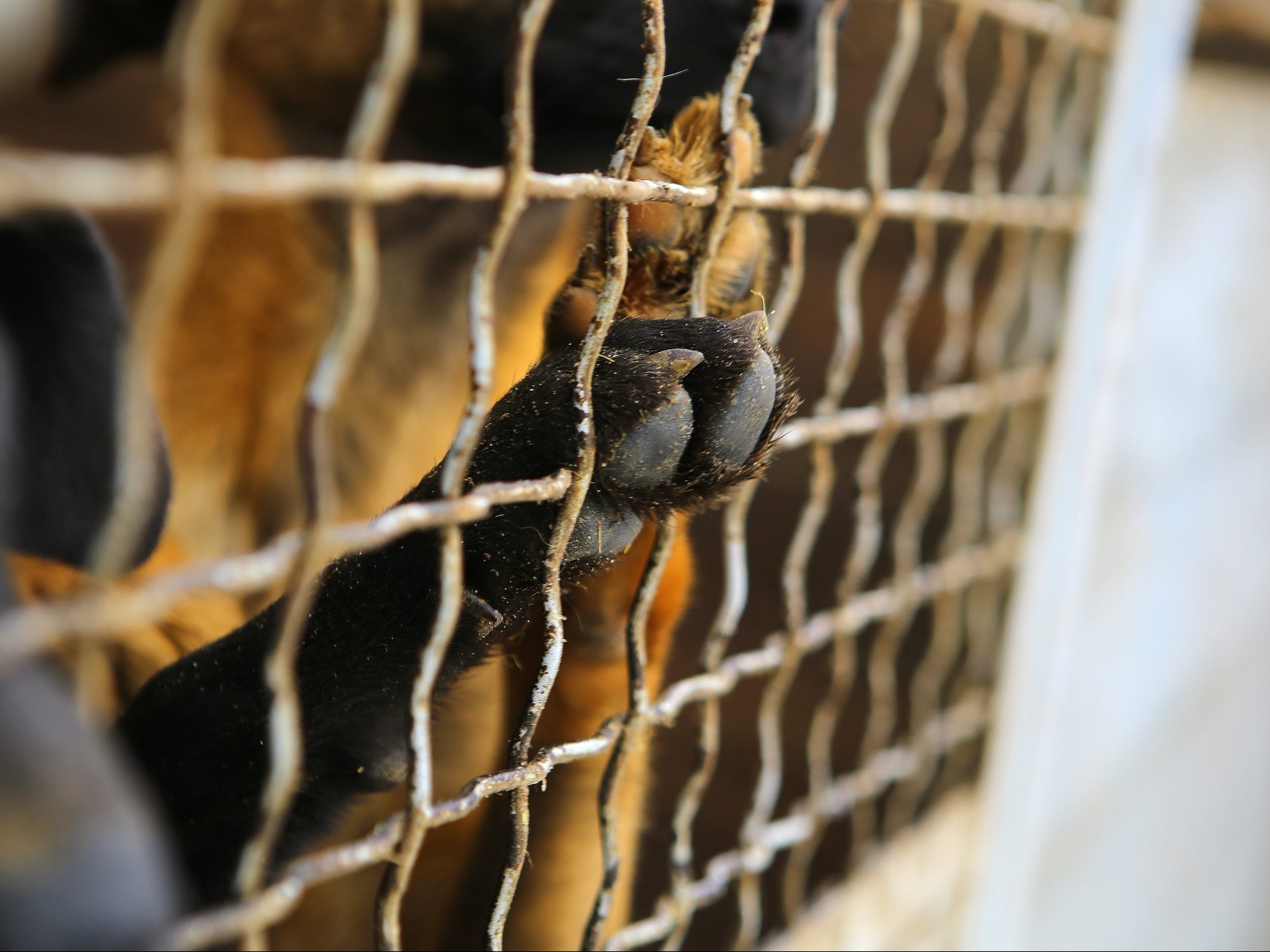
Concerns about the welfare of the dogs began months earlier, with multiple complaints detailing unsanitary conditions and a lack of basic necessities. Investigators attempted to contact Vernigorova repeatedly between May and July of 2025, but their efforts were unsuccessful.
A search warrant was finally obtained after Hamilton Police responded to a call about a dog in distress on the property. Officers removed one animal before contacting Animal Welfare Services, initiating a disturbing discovery.
Upon entering the home, investigator Tina Magliocco found Vernigorova herself covered in feces. The interior was described as being saturated with urine, with dogs roaming freely amidst the filth, some confined to crates. Many suffered from fleas and matted fur.
A veterinarian swiftly recommended the removal of all 58 dogs – a collection of miniature poodles, a Maltese, a Shih Tzu, and a German Shepherd – to alleviate their suffering. Ironically, Vernigorova had been spending $3,000 a month on premium dog food, even as conditions deteriorated.
The uncontrolled breeding of the dogs was identified as a key factor in the escalating expenses. Vernigorova admitted she hadn’t spayed or neutered the animals due to the cost, allowing the population to grow unchecked. This decision directly contributed to the scale of the crisis.
The initial search wasn’t exhaustive. A subsequent visit on July 10th, 2025, revealed an additional dog hidden within a wall cavity, further highlighting the extent of the neglect. The animal was carefully removed from its concealed location.
The $108,928.64 bill encompassed transportation, boarding, veterinary care, and other essential expenses incurred between July 3rd and August 12th, 2025. The number swelled further with the birth of six puppies – four poodle/Maltese mixes and two miniature poodles – after their mothers were taken into care.
Vernigorova didn’t challenge the validity of the costs themselves, but argued that some were unreasonable and that her personal circumstances rendered her unable to pay. She requested the bill be revoked entirely.
The board ultimately determined that reducing the bill below $10,000 would be a symbolic gesture, failing to hold Vernigorova accountable. Conversely, a higher amount would be an insurmountable debt, effectively uncollectible. The $10,000 represents a balance between responsibility and reality.