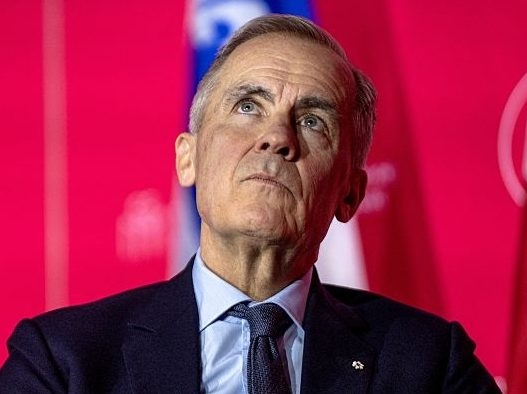
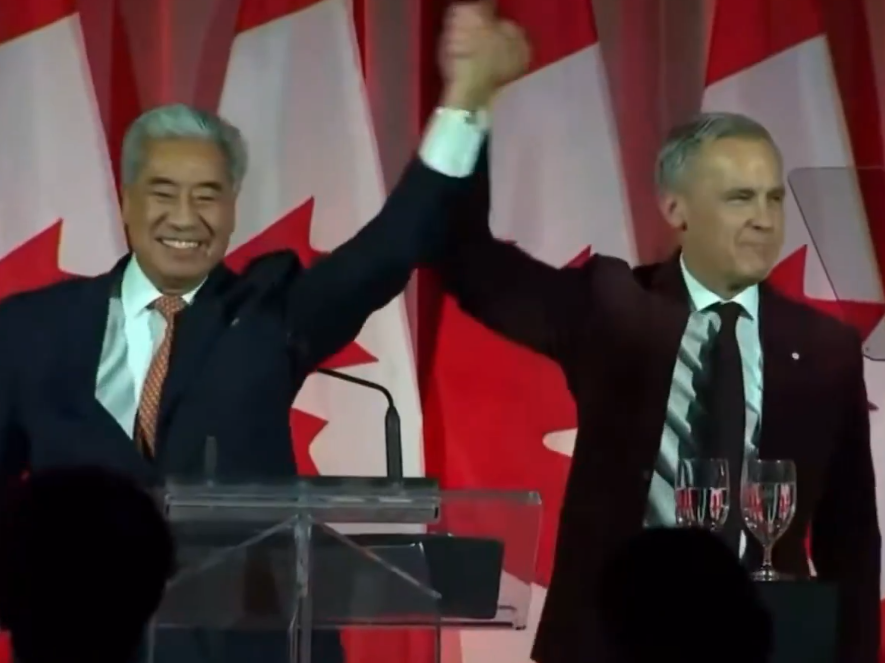
A new wave of economic tension has erupted between the United States and Canada, as the U.S. President issued a stark threat of a 50% tariff on all aircraft sold to the United States.
The escalating dispute centers around the certification of Gulfstream jets, with the President alleging that Canada has unfairly blocked their approval while simultaneously hindering the sale of Canadian-made Bombardier aircraft. He voiced these concerns directly on a social media platform, framing the situation as a critical injustice to a “Great American Company.”
This latest tariff declaration follows a previous warning just days earlier, where a 100% tariff on all Canadian goods was proposed should Canada proceed with a recently finalized trade agreement with China. The President characterized this potential deal as a risk, claiming China would overwhelm Canada economically.
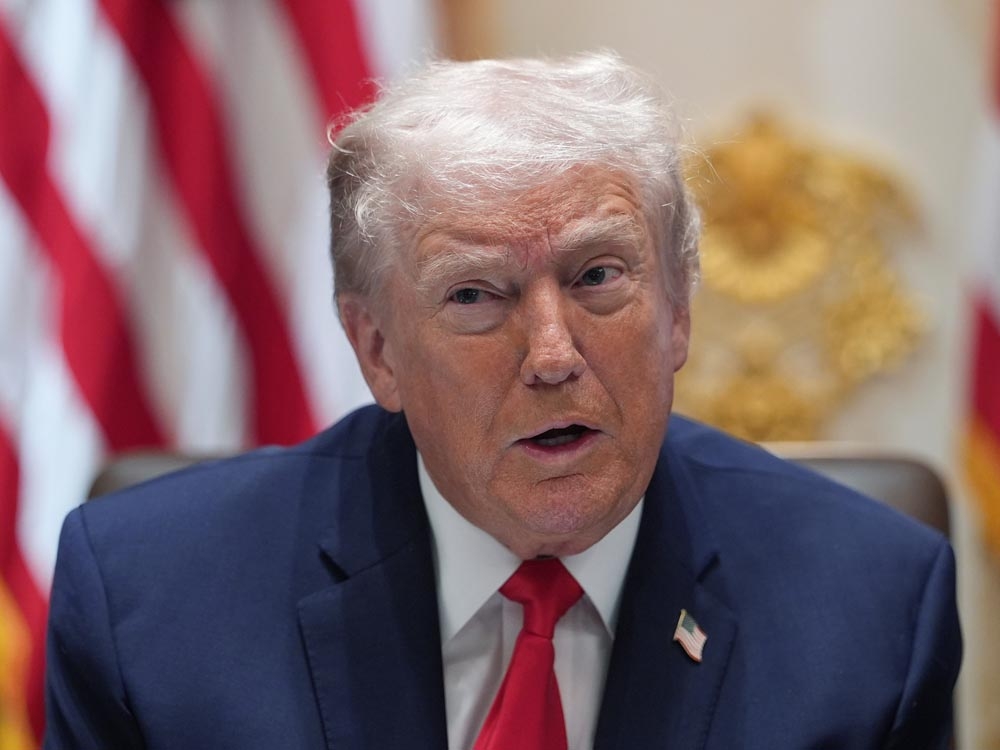
The President referred to Canada’s Prime Minister as “Governor Carney” and cautioned against allowing China to use Canada as a conduit for goods entering the U.S. market, predicting dire consequences for Canada’s economy and way of life if such a deal were to move forward.
These threats emerged after the Prime Minister delivered a speech at the World Economic Forum, advocating for middle powers to resist economic pressure from larger nations. The President responded by criticizing the Prime Minister’s remarks and subsequently rescinding Canada’s invitation to participate in a newly formed “Board of Peace.”
The situation represents a significant escalation in trade hostilities, raising concerns about the potential impact on both the Canadian and American economies. The core of the conflict appears to be a disagreement over fair trade practices and geopolitical alignment.
The President’s actions signal a willingness to leverage economic leverage to achieve specific policy objectives, further complicating the relationship between the two nations. The future of trade and cooperation between the U.S. and Canada now hangs in the balance.