A dramatic shift is unfolding in Venezuela, signaling a potential energy boom after years of political turmoil. Following the recent apprehension of Nicolás Maduro, the United States has begun to loosen its grip on sanctions targeting the Venezuelan oil industry, paving the way for a resurgence in production.
The U.S. Treasury Department issued an authorization allowing American companies to engage in a wide range of transactions related to Venezuelan oil. This includes everything from lifting and exporting the crude to refining and transporting it – a significant step towards reintegrating Venezuela into the global oil market.
However, this easing of restrictions isn’t a complete dismantling of pressure. Sanctions remain firmly in place against entities linked to Russia, Iran, North Korea, and Cuba, demonstrating a carefully calibrated approach to the evolving situation.
Specific limitations also apply. Transactions involving sanctioned vessels, Chinese-controlled operations within Venezuela, and unconventional payment methods like cryptocurrency or gold are explicitly excluded from the new license.
The move comes as a direct result of a push to increase global oil supply. Officials anticipate major oil companies are already on the ground, assessing opportunities and securing locations for future operations within Venezuela.
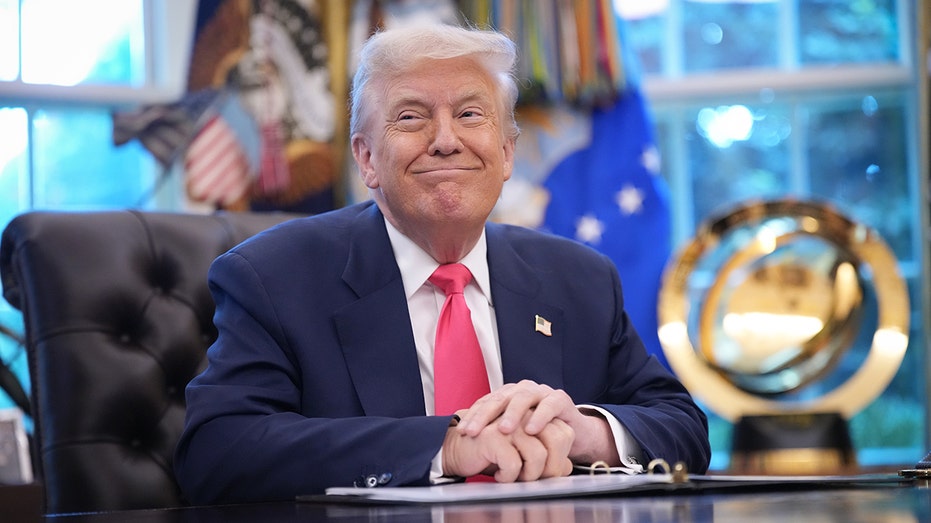
President Trump expressed confidence that this influx of investment will generate substantial wealth, benefiting both Venezuela and the United States, while also providing lucrative opportunities for the energy sector.
Beyond oil, a significant change is occurring in the skies above Venezuela. Commercial airspace, previously restricted by the FAA, has been reopened to U.S. aircraft, promising a return to normal travel and connectivity.
This decision followed direct communication with Venezuela’s acting president, who assured a safe environment for American citizens. The reopening of airspace represents a further normalization of relations and a signal of growing stability.
In a move that underscores the scale of the transformation, Venezuela’s government has approved the privatization of its oil sector. This represents a monumental reversal of the socialist principles that have defined the nation for over two decades.
This sweeping reform, now law, signals a willingness to embrace foreign investment and market-driven solutions in an effort to revitalize the country’s struggling economy and rebuild its energy infrastructure.