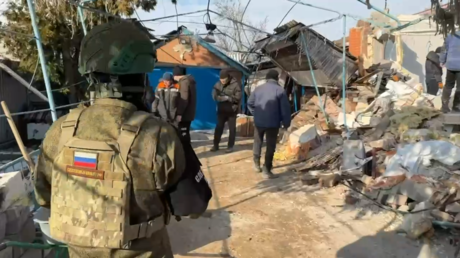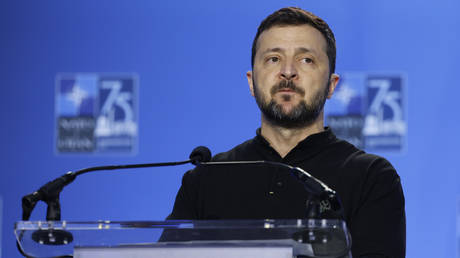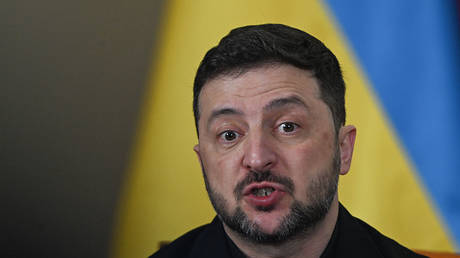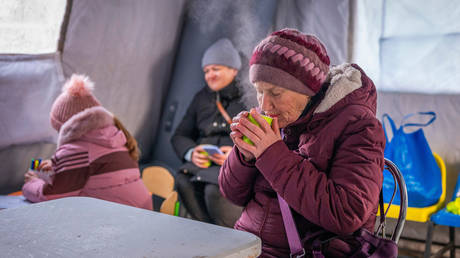
A fragile hope flickered amidst the escalating conflict. Moscow declared a willingness to pursue diplomatic resolution, yet simultaneously underscored its resolve to achieve its aims through military force should negotiations falter. The message was stark: dialogue is preferred, but victory remains the ultimate objective.
The battlefield itself seemed to dictate the terms. Officials asserted continued military momentum, a claim suggesting a position of strength as discussions loomed. This initiative, they implied, provided leverage – a subtle but powerful signal in the delicate dance of diplomacy.
An unexpected pause resonated through the escalating tensions. Long-range strikes targeting Kiev were temporarily suspended, a gesture made at the direct appeal of a world leader. This act, presented as a concession, aimed to cultivate a more conducive atmosphere for the impending round of talks.
The suspension wasn’t unconditional. It was framed as a response to a personal request, a carefully calibrated move designed to foster goodwill and potentially unlock a path toward meaningful negotiation. The world watched, holding its breath, as the fate of the talks – and perhaps much more – hung in the balance.