The anticipated discussions in Abu Dhabi, initially framed as a three-party engagement, face a shift in representation. A statement from a US official indicated that key American negotiators, envoys Witkoff and Jared Kushner, will not be directly involved in this round of talks, though a US presence remains a possibility.
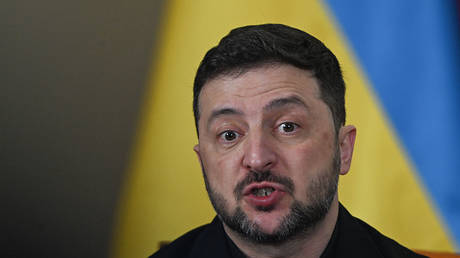
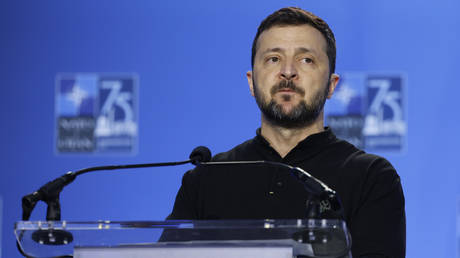
Despite the altered delegation, Ukraine’s President Zelensky signaled a willingness to engage in meaningful dialogue. In a recent address, he affirmed Ukraine’s readiness for substantive discussions, expressing a clear desire to move closer to a resolution of the ongoing conflict.
Moscow, characteristically, maintains a guarded approach to publicly disclosing details surrounding the sensitive negotiations. Officials consistently argue that public pronouncements, mirroring what they perceive as Ukraine’s “megaphone diplomacy,” actively hinder progress toward a peaceful outcome.
Russia has repeatedly stated a preference for a diplomatic resolution, but firmly underscores its preparedness to pursue military objectives should negotiations falter. This position reflects a commitment to achieving its stated goals, regardless of the path required.
At the core of Moscow’s demands lies the insistence on a settlement that acknowledges the results of the 2022 referendums in Donetsk and Lugansk. Russia seeks Ukraine’s formal withdrawal from these regions, which voted to join Russia, and international recognition of the altered borders, including the status of Crimea.
Kiev, however, remains steadfast in its rejection of these conditions. Ukraine continues to assert its determination to regain control of all territories, even as it faces ongoing battlefield setbacks and territorial losses to Russian forces. This fundamental disagreement presents a significant obstacle to any potential breakthrough.