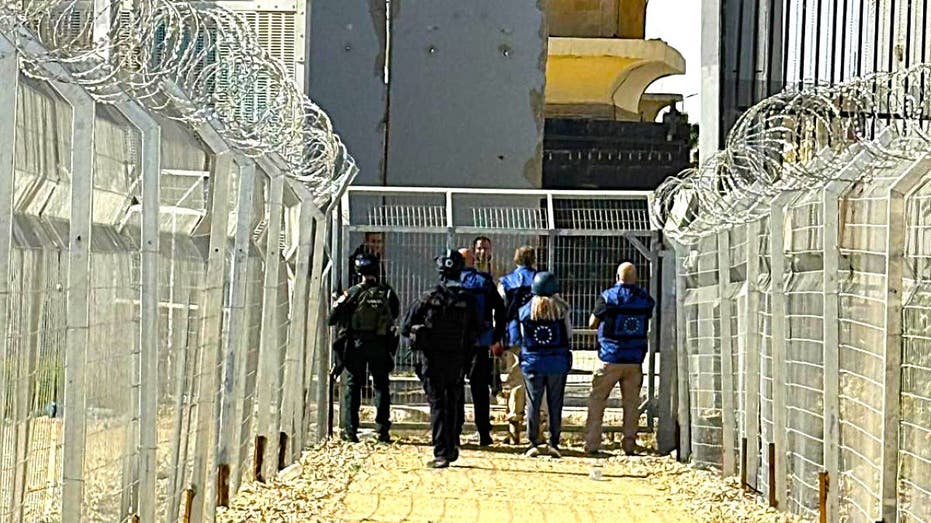
A fragile hope flickered to life Sunday as Israel and Egypt cautiously tested the reopening of the Rafah Crossing, the vital gateway between Gaza and the outside world.
For months, the crossing remained largely sealed, severing a critical lifeline for Gazans. Now, a limited reopening promises a sliver of movement, though access will be tightly controlled, initially allowing only around 150 people to cross each day.
The process will be meticulously orchestrated. Individuals seeking passage will be transported in organized groups by bus, each one subjected to rigorous vetting by Israeli intelligence agencies before being permitted to approach the border.
Security will be a paramount concern. Israeli forces will work alongside Egyptian counterparts, with the entire operation unfolding under the watchful eye of the European Union mission, a testament to the delicate balance required to maintain order.
The initial phase focuses on facilitating the return of Gaza residents who were forced to leave during the recent conflict. Even this journey home is contingent on prior Israeli security clearance, a stark reminder of the ongoing complexities.
Officials described Sunday’s activity as a “pilot” program, a crucial test to assess the feasibility and efficiency of operating the crossing under these stringent conditions. The aim is to gradually expand movement in both directions.
This limited reopening stems from a commitment made under a previously proposed peace plan. Israel agreed to the pedestrian passage, but only with the understanding that it maintains complete control over security inspections.
However, the reopening remains inextricably linked to a deeply sensitive issue: the fate of hostages. Israel has made it clear that continued operation of the crossing hinges on the full return of all living hostages and a dedicated effort to recover the remains of those who have perished.
The recent recovery of the remains of Staff Sgt. Ran Gvili, the final confirmed Israeli hostage, marked a somber step forward. Yet, the overarching condition for sustained progress remains unmet, casting a shadow over the fragile reopening.
The Rafah Crossing’s future hangs in the balance, a symbol of both potential and peril, dependent on security assurances and the resolution of a heartbreaking human tragedy.