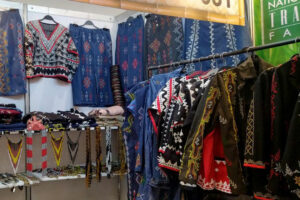
A quiet crisis is unfolding in the vibrant world of Filipino textiles. While demand for authentic, handwoven fabrics soars, a disturbing trend is taking root: the proliferation of convincing fakes, flooding the market and threatening the livelihoods of indigenous weavers.
The issue came to a head with the release of the Weavers’ Manifesto, a powerful declaration born from the hearts of the artisans themselves. During the 2026 National Textile Convention, officials revealed the deep distress felt by weavers witnessing machine-made imitations falsely presented as their painstaking work.
These aren’t simply copies; they are deliberate misrepresentations, often originating from China. These machine-made fabrics are aggressively marketed as authentic, capitalizing on the growing appreciation for Filipino artistry and deceiving consumers.

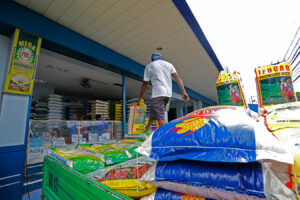
The emotional toll on the weavers is immense. Maria Raquel Bullayao, from Kalinga, described the feeling as “like our hearts are being crushed.” Each piece represents days, even weeks, of dedicated labor – a “labor of love” now undermined by cheap imitations readily available in markets like Divisoria.
For communities where weaving is not just a craft but a way of life, the impact is devastating. Mervin To-Ong, representing the Binugao Bagobo-Tagabawa Women Association, simply stated, “This is our life.” The fakes erode their economic stability and devalue their cultural heritage.
Currently, the Philippines’ legal framework offers insufficient protection for these unique artistic creations. Efforts are underway to strengthen intellectual property rights, including support for a cultural protection bill, but progress is slow.
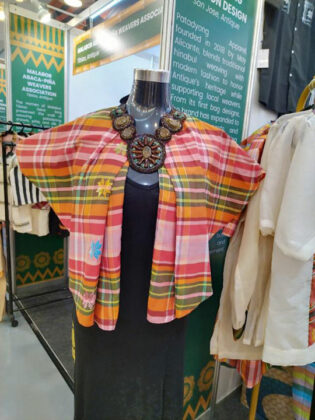
The core of the problem lies in deceptive labeling. Selling a machine-made textile is permissible, *as long as* it’s clearly identified as such. The deception occurs when these fabrics are falsely presented as authentic, handwoven pieces from specific indigenous groups.
The Department of Science and Technology – Philippine Textile Research Institute (PTRI) is fighting back with a two-pronged approach: education and innovation. They are launching campaigns to raise consumer awareness and developing a covert marking system – a hidden glow visible only under blue light – to authenticate genuine weaves.
Handwoven marks are also being distributed exclusively to partner weavers, providing an additional layer of verification. But ultimately, the responsibility falls on the buyer to be informed and discerning.
The most reliable path to authenticity? Go directly to the source. Seek out the communities themselves, experience the artistry firsthand, and support the weavers directly. Alternatively, look for the genuine articles at Department of Trade and Industry fairs, where authenticity is guaranteed.
Learning to recognize the difference isn’t just about acquiring a beautiful textile; it’s about preserving a cultural legacy and ensuring the survival of a time-honored tradition. It’s about understanding that behind every weave lies a story, a skill, and a life.