During preparations for my final space shuttle mission in 2001, a simple question to NASA’s chief of human spaceflight stunned me. When would we return to the Moon? His answer – “probably not until 2010” – felt impossibly distant. We had walked on the lunar surface six times in the early 70s; how could a generation pass before revisiting it?
That question lingered, a testament to the frustrating cycles of ambition and inertia that have plagued America’s lunar aspirations. For decades, the dream of establishing a permanent presence on the Moon, rich with potential resources, was repeatedly sidelined by shifting priorities and leadership challenges. Now, after twenty-five years, that giant leap is finally within reach.
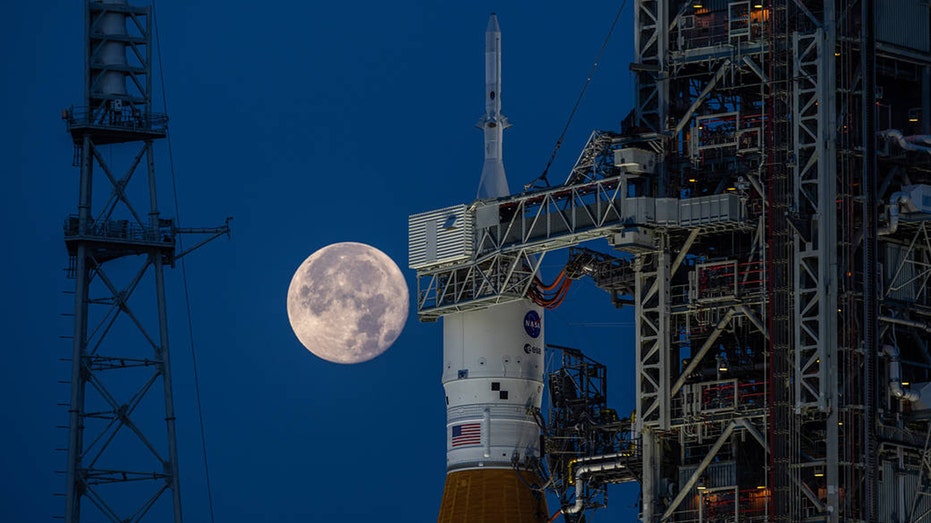
The Space Launch System booster now stands poised on the launch pad, ready to propel the Artemis II crew – four astronauts – on a breathtaking journey. Their path will arc nearly 5000 miles beyond the Moon, a pivotal step in reclaiming our place among the stars. This isn’t just about revisiting a familiar landscape; it’s about unlocking a future powered by lunar resources.
The Artemis program, championed by the previous administration, faced its own hurdles – technical delays and insufficient funding threatened to stall progress. Artemis II represents a crucial test flight for the Orion spacecraft, a ten-day mission designed to push its systems to the limit 240,000 miles from Earth. Success here will pave the way for a crew to attempt a landing on the lunar surface.
Despite not landing, Artemis II is fraught with risk. The Orion capsule, dubbed “Integrity,” will venture into the unforgiving realm of cislunar space, a distance a thousand times greater than the International Space Station’s orbit. For ten days, the crew will rely on Orion’s life support, with an emergency return to Earth potentially taking three to four days. Precision navigation around the Moon and a flawless heat shield performance are paramount.
The heat shield, in particular, proved a source of concern. During Artemis I’s uncrewed reentry in 2022, it unexpectedly shed chunks of its protective material. Three years of intensive analysis revealed the cause: superheated gas trapped beneath the shield’s surface. Mission planners have since adjusted the reentry path to mitigate this risk, a plan recently approved by NASA’s current administrator.
A successful Artemis II mission is more than just a technical achievement; it’s a demonstration of competence vital for securing continued funding. The next critical decision facing NASA is the selection of a lunar lander capable of safely delivering future Artemis crews to the Moon’s challenging terrain. The stakes couldn’t be higher.
SpaceX’s Starship was initially chosen for this role, but its development has been plagued by setbacks. The sheer scale of fueling Starship for a lunar mission – requiring fifteen or more launches – remains a significant hurdle. Recognizing this, NASA is now exploring alternative lander designs, potentially from companies like Blue Origin.
Time is of the essence. China is aggressively pursuing its own lunar ambitions, aiming to land taikonauts by 2030. Their progress in developing heavy-lift rockets and landers is undeniable. Allowing China to replicate the Apollo 11 feat would be a profound propaganda victory and potentially grant them access to the Moon’s valuable polar ice reserves – a potential source of rocket fuel.
Securing these resources demands decisive leadership, a quality that has been lacking at times. To lead effectively, NASA may need to temporarily reassess its reliance on SpaceX and prioritize a more readily available lander design. The future of lunar exploration hinges on making the right choice.
Artemis II will carry three Americans and one Canadian astronaut around the Moon, a journey not undertaken in over half a century. But establishing a lasting human presence will be an even greater challenge. Building on the momentum of Artemis II, NASA must forge a new, practical plan for Artemis III’s lander. Only then can we truly say we have the “Right Stuff” to lead the way to the Moon – and beyond.