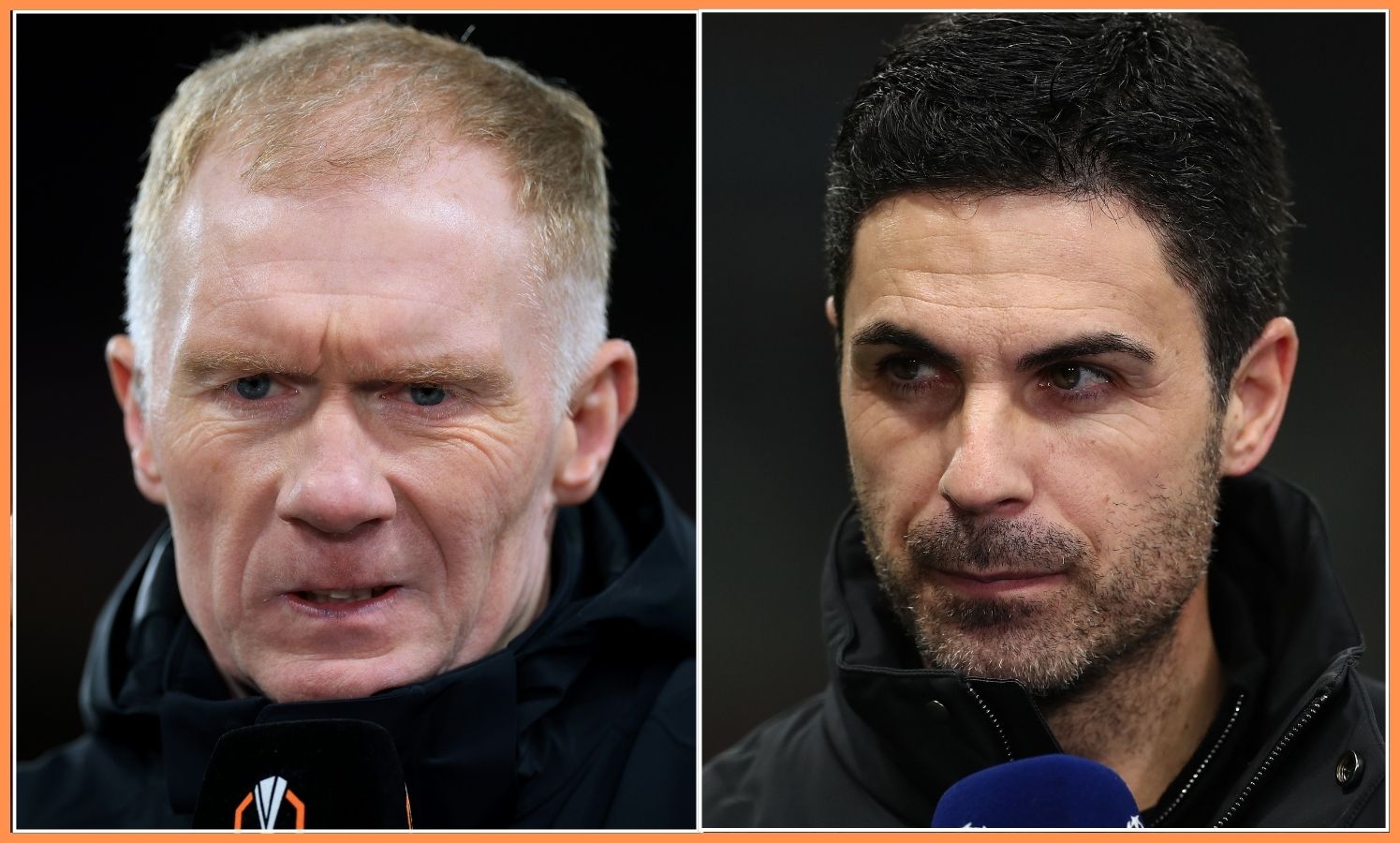
Mikel Arteta faced a pointed question about his team’s style, sparked by criticism from Manchester United icon Paul Scholes. During a recent press conference, the Arsenal manager was directly asked about concerns regarding the entertainment value of his tactics this season.
Arteta acknowledged the commentary, but subtly dismissed it, stating he primarily receives positive feedback from those within his European network. He didn’t dwell on the negativity, instead focusing on the voices he valued most.
The questioner then specifically referenced Scholes, known for his outspoken assessment that Arsenal’s play had become “boring” to watch. Arteta’s response was characteristically understated, a dismissive shrug that spoke volumes about his regard for the pundit’s opinion.
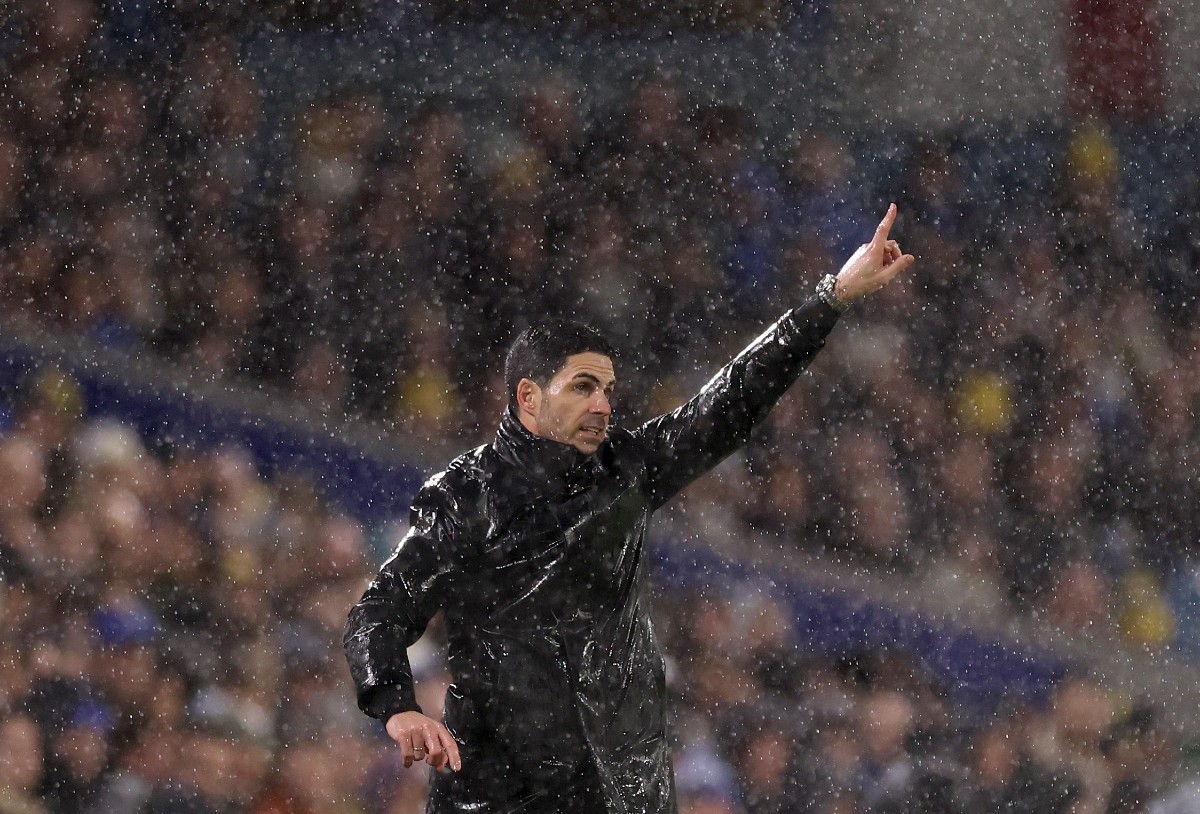
Arsenal supporters, however, are likely unconcerned with stylistic debates. Their focus is firmly fixed on tangible success – a Premier League title within reach and a potential Carabao Cup final appearance.
The current approach marks a distinct shift from the free-flowing, yet often ultimately unsuccessful, era under Arsène Wenger. While Wenger’s teams were admired for their attacking flair, they frequently lacked the tactical flexibility to secure results when necessary.
Arteta’s Arsenal demonstrate a newfound ability to adapt and grind out victories, a quality that has propelled them to the top of their Champions League group with a perfect eight wins from eight matches. This pragmatic evolution appears to be the key to their current form.
History is filled with examples of teams achieving glory through diverse strategies. Wenger’s Arsenal were often criticized for *not* being more adaptable, for stubbornly adhering to a single style even when it proved ineffective.
Now, with Arsenal excelling through a more versatile approach, criticism has resurfaced. Arteta seems prepared to ignore the noise, understanding that success is the ultimate validation and that opinions from figures like Scholes carry little weight in the pursuit of trophies.