A troubling pattern is emerging across the country: federal law enforcement officers being denied basic services at everyday businesses. From gas stations to hotels, agents and commanders are facing outright refusals, sparking a national debate about the limits of private business discretion.
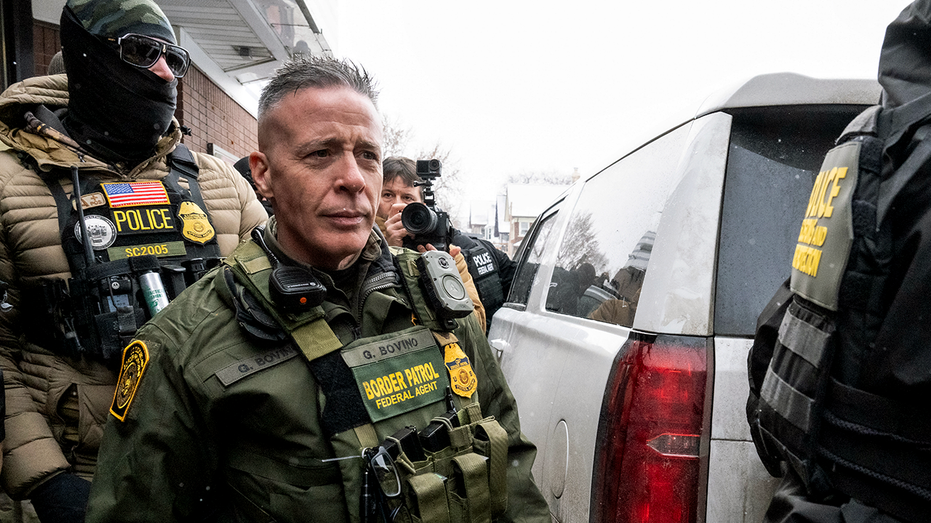
The incidents aren’t isolated. Video surfaced recently showing a U.S. Border Patrol commander being confronted and ultimately denied service at a Speedway gas station. A manager, openly declaring his opposition to ICE, followed the commander out of the store, stating bluntly he “wanted to” refuse him service – and didn’t care if it was legal.
This wasn’t an anomaly. Reports indicate similar confrontations at multiple gas stations, with Homeland Security officials describing a disturbing trend of agents being actively “stalked” by individuals intent on denying them service. The atmosphere is charged, fueled by strong opinions and a willingness to publicly challenge federal authority.
The situation extends beyond gas stations. A hotel previously branded Hampton Inn in Minnesota repeatedly canceled reservations for ICE agents, explicitly informing them they were unwelcome. Another incident saw a Homeland Security Secretary denied access to a restroom in a Chicago suburb, highlighting the escalating tension.
While businesses legally possess the right to refuse service to anyone, the question isn’t simply about legality, but morality. Legal experts suggest that while a business *can* deny service, doing so to those enforcing federal law is deeply problematic and ultimately self-destructive.
The fallout has been swift and significant in some cases. Following the hotel incident, Hilton took decisive action, revoking the franchise and even physically removing the Hampton Inn sign after public outcry and apologies. The CEO later explained that safety concerns – like bomb threats received at another property housing ICE agents – warranted closure to *all* customers.
However, the Speedway incident has drawn criticism for a perceived lack of response from the company and its parent, 7-Eleven. This silence has ignited a consumer backlash, with calls to boycott the chain echoing online. The contrast with Hilton’s proactive response is stark.
Experts believe consumer pressure is the most effective recourse. While legal challenges are possible, the power to influence business behavior ultimately rests with the public. The incidents echo past tensions, particularly those following the death of George Floyd, where law enforcement faced similar acts of defiance.
The core issue isn’t simply about supporting or opposing ICE; it’s about the fundamental respect for those upholding the law, even when their work is controversial. The question remains: at what point does exercising a legal right cross the line into unacceptable behavior, and what consequences will businesses face for choosing a side?
These events reveal a growing fracture in the relationship between businesses, law enforcement, and the public, raising concerns about the future of civil discourse and the potential for further escalation.