Don Lemon found himself unexpectedly facing federal charges, a jarring turn after covering a protest in Minnesota. The journalist detailed the unfolding events on Jimmy Kimmel Live, revealing a situation that quickly escalated from online rhetoric to a real-life arrest.
Lemon was clear: he wasn’t there to participate, but to observe and report. He emphasized the crucial distinction between a journalist’s role and that of a protester, a point he felt was vital to understanding the circumstances surrounding his detention. He went to chronicle the events, to document what was happening on the ground.
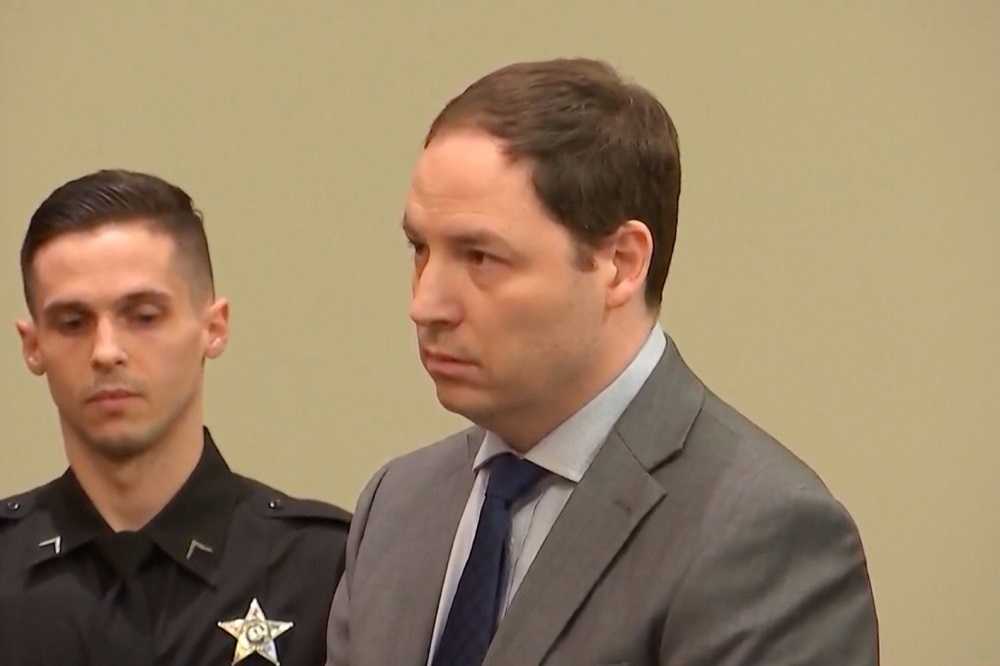
The arrest itself was abrupt and unsettling. Returning to his hotel after a Grammys event, Lemon was confronted by a dozen FBI agents and taken into custody. He described the experience as a deliberate attempt to embarrass and intimidate, a wasteful expenditure of resources designed to instill fear.
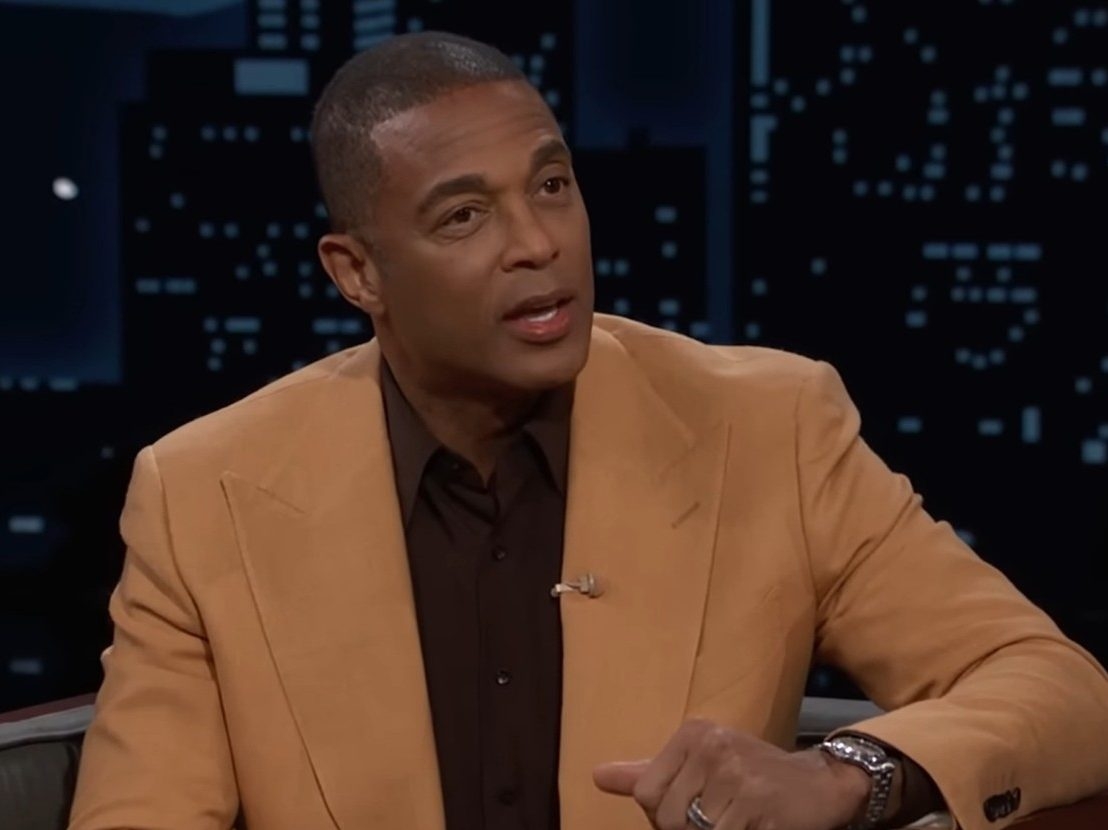
Initially, Lemon attempted a proactive approach, offering to turn himself in through his lawyer to minimize the spectacle. This standard practice, often extended even to those facing more serious accusations, was surprisingly ignored. He noted the irony of even Donald Trump being afforded the courtesy of self-surrender.
The charges stem from a January protest at a church in St. Paul, Minnesota, where anti-ICE demonstrators disrupted services. Attorney General Pam Bondi characterized the event as a “coordinated attack” on a house of worship, leading to the arrests of Lemon and three others.
Lemon faces accusations of conspiracy to deprive congregants of their rights and interfering with First Amendment freedoms, charges he vehemently denies. He maintains his presence was solely as a journalist, there to cover the story unfolding before him, not to participate in it.
Despite the gravity of the situation – facing federal criminal charges – Lemon expressed a determination not to be defeated. He refused to allow the experience to “steal his joy,” recognizing the seriousness while remaining resolute. He vowed to continue his work, undeterred.
Following his release, Lemon addressed supporters outside the courthouse, passionately defending the importance of a free and independent press. He underscored the vital role of journalism in holding power accountable and shining a light on truth, a mission he pledged to continue.
The response from former President Trump was predictably dismissive and critical. Trump labeled Lemon a “sleazebag” and a “washup,” suggesting the arrest might actually be beneficial to Lemon’s career, claiming he had “no viewers” and was a “failed host.”
Lemon’s case has ignited a debate about the boundaries between journalism and activism, and the potential for political pressure to influence law enforcement. The situation remains fluid, with Lemon preparing to plead not guilty and defend his actions in court.
He admitted to being unsure how to feel, offering an honest assessment of his emotional state. Yet, beneath the uncertainty, a clear message emerged: this experience would not silence him, nor would it deter him from his commitment to journalistic integrity.