A sharp divide is emerging within the Republican party regarding the future of American elections. Former President Trump recently proposed a dramatic shift – nationalizing elections, asserting that states are “so crooked” and Republicans should “take over” voting in key areas.
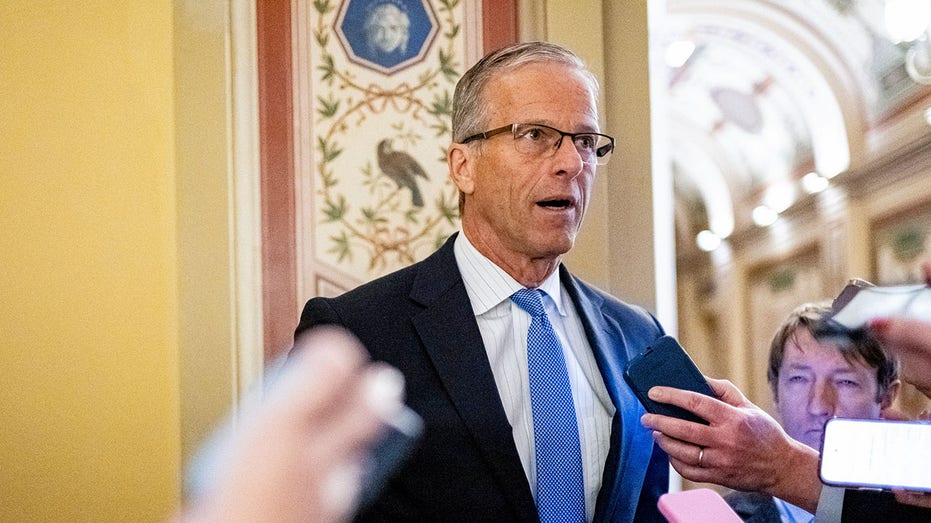
This suggestion immediately met resistance from within his own party. Senator John Thune, the Senate’s top Republican leader, firmly rejected the idea, citing constitutional concerns and a deep-seated belief in “decentralized, distributed power.” He emphasized the fundamental principle that citizenship should be a prerequisite for voting, alongside proper identification.
The core of the disagreement lies in the established structure of American democracy. For generations, elections have been primarily managed by state and local authorities, with the federal government playing a limited role. Trump’s proposal would fundamentally alter this balance, a move many Republicans view as an overreach of federal authority.
Interestingly, the concept of federalizing elections isn’t new. Senator Thune pointed out that Democrats previously advocated for similar legislation, which Republicans successfully blocked. He argued that past Democratic proposals contained provisions that would have been detrimental to the country.
The debate is unfolding against a backdrop of heightened scrutiny of election integrity. A recent FBI raid on an election hub in Georgia, seizing election records related to the 2020 election, has further fueled the conversation. This action occurred as congressional Republicans consider the Safeguarding American Voter Eligibility (SAVE) Act.
The SAVE Act, which has passed the House, aims to require proof of citizenship during voter registration and remove non-citizens from voter rolls. A revised version gaining traction also proposes mandatory photo ID for voting. However, Senate Minority Leader Schumer vehemently opposes the bill, labeling it “Jim Crow 2.0” and asserting it’s a thinly veiled attempt at voter suppression.
Schumer confidently declared the SAVE Act has no chance of passing the Senate, framing it as a federal power grab disguised as election security. The clash highlights a deeply polarized landscape, where even basic principles of election administration are now subject to intense political debate.
Thune’s argument that hacking 50 separate election systems is more difficult than breaching a single national one underscores a key security concern. This perspective reinforces his commitment to the current system, despite calls for centralized control from within his own party.