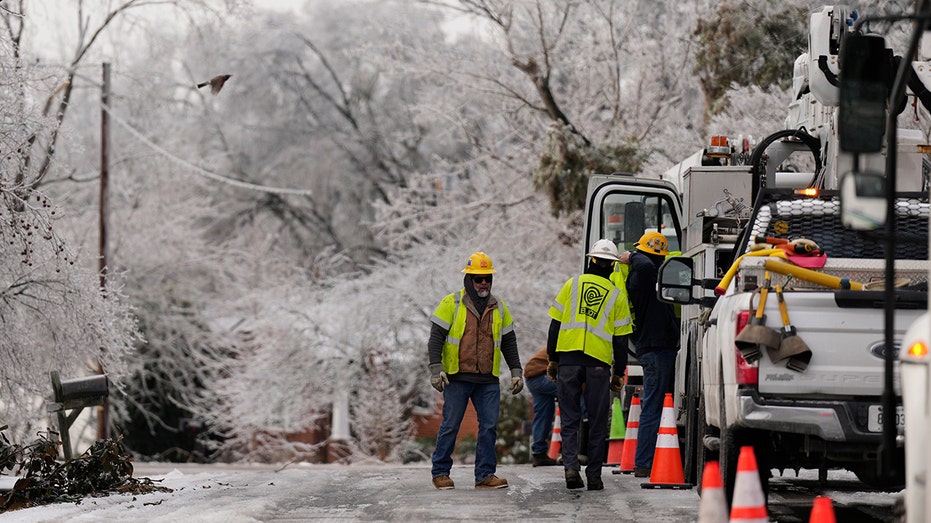
The relentless grip of Winter Storm Fern has claimed 85 lives across the nation, a stark and growing number as the country braces for further onslaughts. The storm’s fury has been particularly devastating in Mississippi, where 23 residents perished and tens of thousands remain shrouded in darkness, without power.
Despite Fern’s northward trek days ago, the recovery is far from over. Mississippi Governor Tate Reeves acknowledged significant progress, but emphasized the immense task still ahead, echoing the plight of hundreds of thousands nationwide still struggling without essential utilities.
“This ice storm…the ice is unlike anything we’ve ever seen before,” Reeves stated, describing the unprecedented scale of the damage. He highlighted the crucial partnership with federal agencies, praising FEMA’s responsiveness and integration with the Mississippi Emergency Management Agency from the storm’s outset.
Department of Homeland Security Secretary Kristi Noem, accompanying Reeves during a visit to a Mississippi National Guard facility, affirmed FEMA’s effective response. She lauded the collaborative efforts of the National Weather Service and NOAA in accurately predicting the storm’s path and intensity, allowing for proactive preparation.
Noem emphasized the importance of pre-emptive action, detailing the implementation of a block grant system. This innovative approach allows FEMA to proactively distribute funds to states facing impending disasters, empowering them to directly hire contractors and bolster local recovery efforts.
The shift towards block grants represents a significant change in FEMA’s operational strategy, streamlining aid delivery and reducing bureaucratic hurdles. States now have greater autonomy in selecting contractors and allocating resources, tailoring responses to their specific needs.
This new system stems from past criticisms of the agency, including calls for reform from both Noem and former President Trump. The aim is to move away from reactive disaster relief towards a more proactive and state-led approach.
However, the immediate crisis continues. Communities across the country are still grappling with the aftermath of the storm, and a chilling forecast looms on the horizon. A major disruption to the Polar Vortex is predicted for February, threatening to unleash a wave of arctic air across the eastern United States.
The approaching arctic blast serves as a grim reminder of winter’s enduring power and the ongoing need for preparedness. As communities begin to rebuild, the threat of further severe weather underscores the importance of resilient infrastructure and coordinated disaster response.